

Table of Contents
Video content is everywhere — but creating it from scratch every single time is exhausting, expensive, and time-consuming. What if the footage you already have could be repurposed, restyled, and redistributed across every platform you need, without starting over? That’s exactly what AI is making possible right now, and it’s changing the way creators, marketers, and businesses think about their video libraries.
Here’s a practical look at how AI is transforming existing videos into entirely new content formats — and why this matters for anyone serious about content strategy.
Repurposing Long-Form Video Into Short Clips
The most immediate and impactful application is clip extraction. AI tools can analyze a long video — a podcast, a webinar, a YouTube video, a recorded presentation — and automatically identify the most engaging moments. It looks at factors like speech energy, topic density, audience reaction cues, and visual dynamism to pinpoint segments worth isolating.
The result? A 45-minute interview becomes five punchy 60-second clips ready for TikTok, Instagram Reels, and YouTube Shorts. No manual scrubbing through footage, no guesswork about what will perform. The AI does the editorial heavy lifting, and you walk away with platform-optimized content in a fraction of the time.
This alone is a game-changer for podcast creators and educators who sit on hours of valuable content that most audiences will never discover because it’s buried inside a long format.
Restyling Video With AI Filters and Visual Effects
Beyond cutting and clipping, AI can fundamentally change the visual identity of existing footage. The video style transfer tool has matured into a genuinely useful production tool. You can take raw footage shot on a phone and apply a cinematic color grade, a vintage film aesthetic, an animated look, or a painterly texture that transforms the entire feel of the piece.
This is particularly powerful for brands that want visual consistency across content produced at different times, in different conditions, or by different people. Instead of reshooting, you restyle. The underlying footage stays the same; the presentation changes to match your current creative direction.
Automatic Subtitles, Translations, and Dubbing
One of the most underappreciated ways AI repurposes video is through language. AI transcription and subtitle generation tools can take any video and produce accurate captions in minutes — captions that are properly timed, formatted for readability, and ready to be burned into the video or delivered as a separate file.
More significantly, AI translation and dubbing tools can take that same video and produce versions in multiple languages, complete with synthesized voiceovers that match the original speaker’s pacing and tone. A single piece of content becomes a global content library. A tutorial made in English reaches Spanish, French, Portuguese, and Japanese audiences without a separate recording session.
For businesses operating across markets, this capability alone can dramatically expand content reach without proportionally expanding the production budget.
Converting Video Into Other Content Formats Entirely
AI doesn’t just transform video into different video — it can transform video into completely different content types. Transcription tools extract the spoken content and turn it into blog posts, email newsletters, social media captions, or script outlines. A recorded keynote speech becomes a long-form article. A product demo video becomes a step-by-step written guide.
This kind of cross-format repurposing is where AI genuinely multiplies the value of every piece of content you produce. You’re not just getting more video formats — you’re getting an entirely expanded content ecosystem from a single source asset.
AI Video Editing Tools That Make It Practical
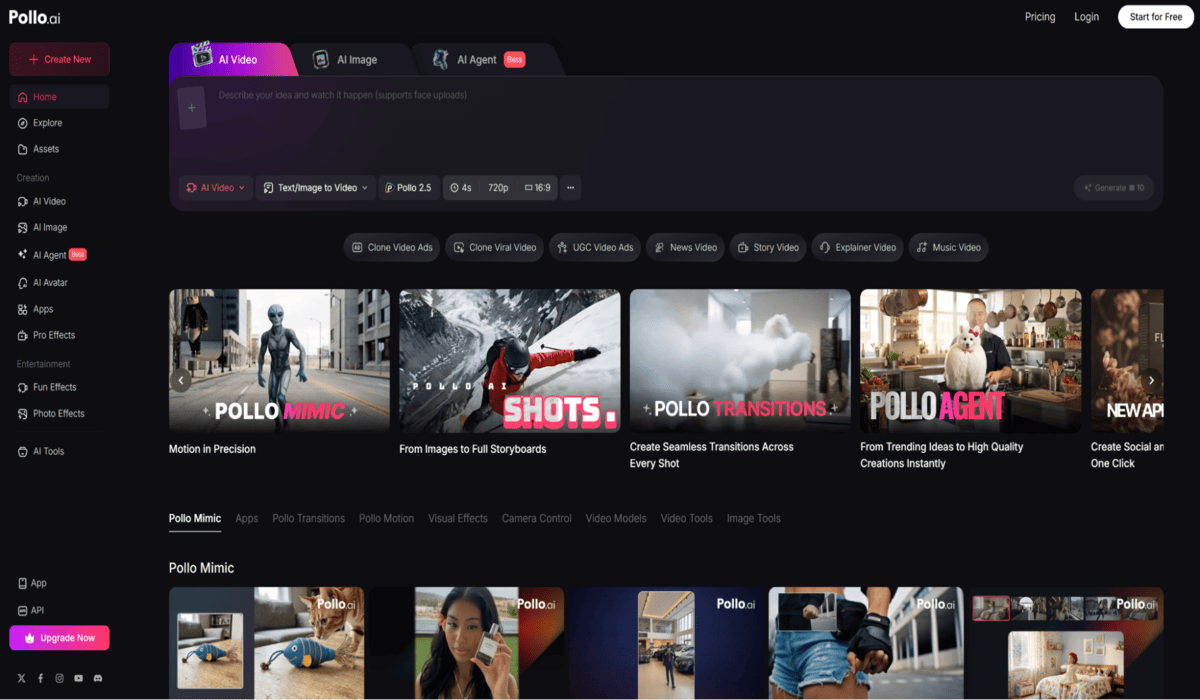
All of this sounds impressive in theory, but it only matters if the tools are actually accessible and usable. That’s where platforms like Pollo AI come in. Pollo AI offers a range of AI video editing tools that make it straightforward to work with existing footage — whether you’re restyling content for different platforms or making a happy birthday video. It’s a practical starting point for creators who want to put these capabilities to work without a steep learning curve or a bloated tech stack.
Why This Matters for Your Content Strategy
The underlying shift here is a move away from the idea that every piece of content requires a fresh production effort. AI inverts that assumption. Your existing video library is now a raw material — something that can be processed, transformed, and redistributed in ways that weren’t economically or practically feasible before.
For solo creators, this means doing more with less. For marketing teams, it means faster turnaround and better platform coverage. For businesses, it means squeezing genuine ROI out of content that would otherwise sit unused after its initial publish date.
The creators and brands that understand this shift earliest will have a compounding advantage. They’ll build larger content footprints, reach broader audiences, and spend less per piece of content than competitors still grinding through traditional production workflows.
AI isn’t replacing video production — it’s making everything you’ve already produced work harder for you. That’s a straightforward win worth paying attention to.