

Table of Contents
The Massing Method: Massing Group’s Retainer Model Gives Brands a Major-House Team Without the Major-House Expense, Shifting the Way the Industry has Worked for Centuries
Launching a clothing brand without a manufacturing team behind you means spending months hunting down vendors who don’t talk to each other, sourcing fabric from people who don’t know your timeline, and trying to coordinate a process that was designed to be run by specialists, and getting that infrastructure in place independently can cost anywhere from $600,000 to $1.2 million.
The $2M Team With a $7K Entry Fee
Brands often pay a monthly retainer to access a team that would cost multiples of that fee to build and maintain independently.
That monthly buys access to the full apparatus.
Development, sourcing, production management, quality control, branding infrastructure, and design input, without the overhead of staffing any of it.
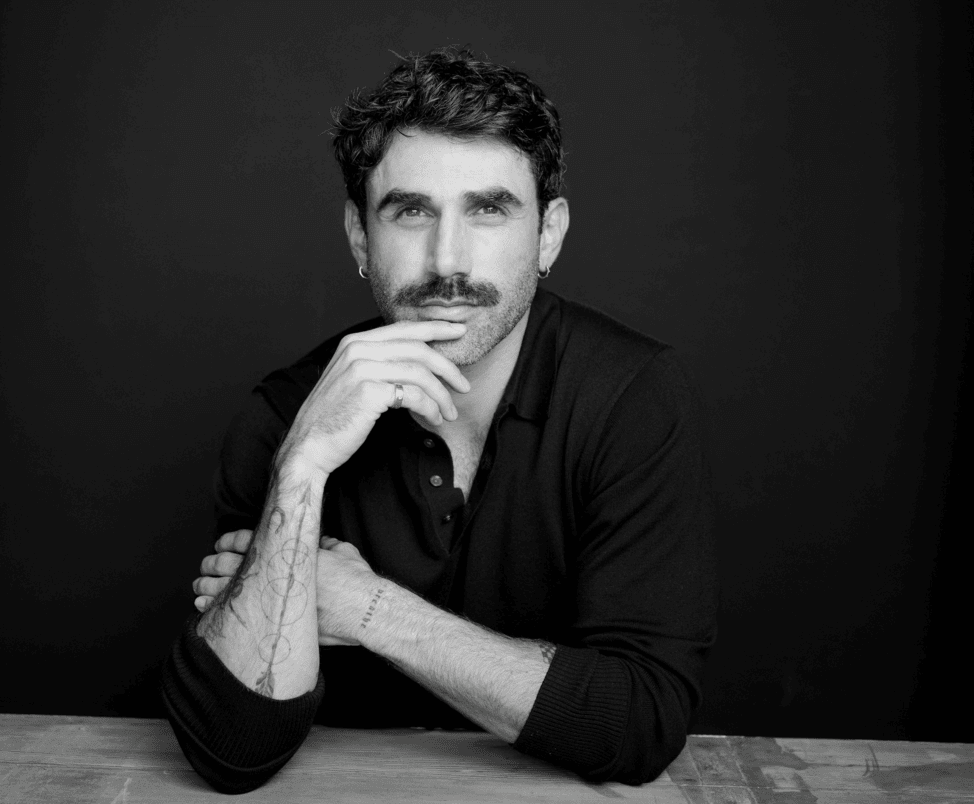
“You get a team that cost me over $2 million for the year,” says Benjamin Massing, owner of The Massing Group. “I’ve already vetted people. In a way, what I’ve done is I’ve crowdfunded my management team.”
Each brand on retainer contributes to the operating cost of a shared, highly specialised team. No single founder carries the full weight of that payroll.
An early-stage brand, operating on startup capital, gets access to expertise and infrastructure that would otherwise require institutional funding to replicate. The math flips what most founders assume about the economics of getting properly supported.
Piecing It Together Will Cost You More
A 2024 Browzwear survey found brands spend an average of 17.6 weeks on sampling alone, and many get stuck there for a year or two.
End-to-end apparel development, from initial concept through to production-ready approval, typically runs three to six months at minimum according to supply chain standards from the Association for Supply Chain Management, and that assumes everything goes smoothly.
Every disconnected vendor adds another layer of delay: a fabric supplier who doesn’t know the timeline, a pattern maker with no context on previous samples, a care label printer who needs the artwork briefed from scratch.
“So many people want to have clothing lines, but so few people know where to start,” Benjamin Massing explains. “They go in, they try to piece a lot of this stuff together, and they find some guy who can do this and can do that, and then they end up in development for two years before they get knocked out.”
Keep the Wheel Turning
“For me, momentum is everything,” Massing says of the development process. “If you lose the momentum, it is so hard to get that back.”
Early-stage brands are particularly vulnerable to stalls. A two-week delay from a vendor, a round of samples that needs to be redone, a care label question that takes three email chains to resolve: none of these would threaten a large house with an established team.
Consolidation solves it.
Fabric sourcing, pattern development, care labels, hang tags, poly bags, and branding elements all move concurrently as a single workflow rather than a sequence of separate relationships, so the founder stays focused on product and market.
There are no minimum order quantities either.
Most manufacturers require brands to commit to volume upfront, locking them into inventory they may not be able to move.
Producing to actual demand keeps capital free and risk low, two things that matter enormously when a line is still finding its footing.
Ten Years You Can’t Put On a Rate Card
Benjamin Massing designed commercially across more than 200 styles a year, for a decade, and sold into Bloomingdale’s, Neiman Marcus, and Revolve, and learned garment manufacturing from the ground up under a mentor in Miami.
That accumulated range.
Design, development, production, and sales running simultaneously is what the retainer is actually selling.
“There aren’t many people that have run the full breadth of this business,” he says. “I know the entire spectrum from zero to 100 from development, production, manufacturing, sales, design.. I am completely immersed in my craft.”
That depth shaped how the development team was built.
A team that shares a design-led manufacturing philosophy, so that everyone working with a brand understands not just how to execute, but what the execution is for.