

Table of Contents
Urban entertainment used to depend mainly on place. People chose a restaurant, a bar, a concert, a sports venue, a cinema, or a neighborhood festival based on location, price, reputation, and personal recommendations. Those factors still matter, but they no longer control the full decision.
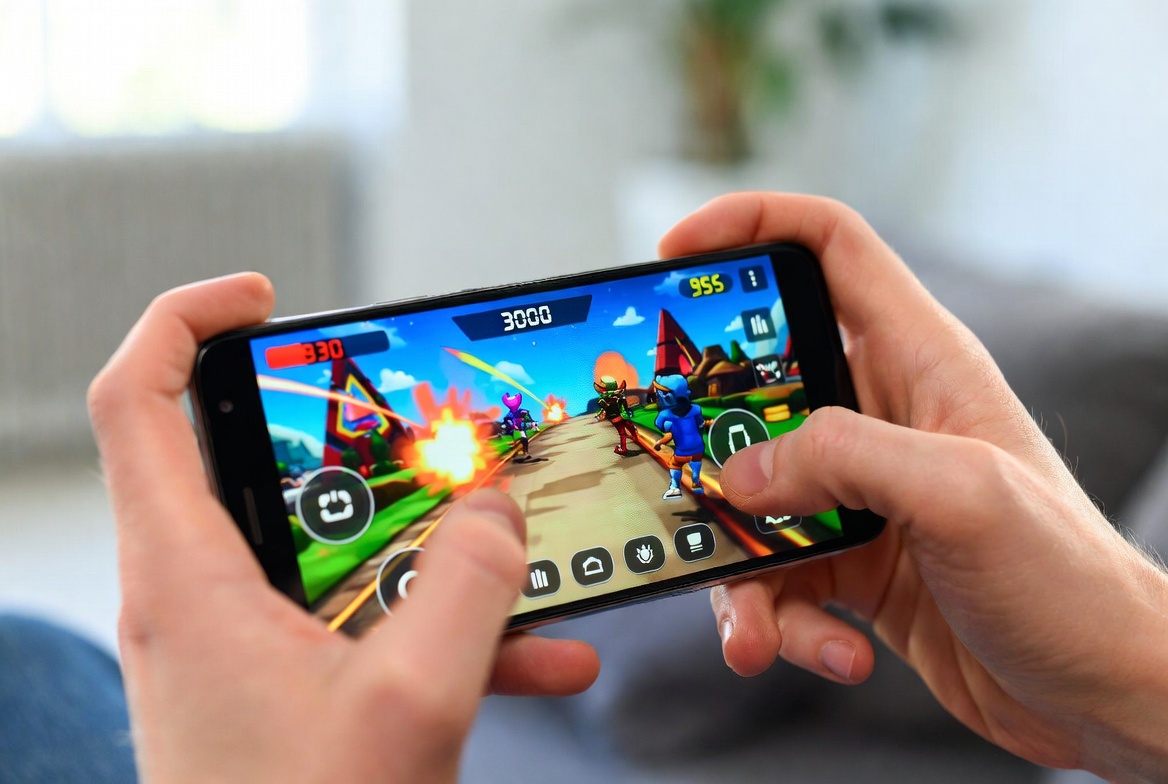
Today, the first contact often happens on a phone. A person sees a short video before booking a table. A visitor checks a city guide before choosing a neighborhood. A sports fan compares venues before deciding where to watch a match. A group chat shapes the final plan before anyone leaves home.
This shift matters for publishers, restaurants, nightlife operators, tourism teams, event managers, venue owners, and advertisers. Urban entertainment is no longer only a physical product. It is a connected experience that begins with discovery, continues through booking and attendance, and often extends through social sharing after the visit.
For city brands, the lesson is clear. A strong venue is not enough if the digital path to that venue feels slow, unclear, or outdated. People now expect fast information, useful context, simple booking, visible proof, and smooth mobile interaction. If one local option makes the decision easy and another creates friction, the easier option often wins.
UrbanMatter-style content sits directly inside this new behavior. City audiences want to know where to eat, where to go, what to expect, and why one option fits better than another. For professionals and decision-makers, this creates a practical question: how can local entertainment brands compete when attention starts on the screen?
Why Urban Entertainment Now Starts on the Mobile Screen
Discovery Happens Before the Visit
Most urban entertainment choices begin before a customer reaches the venue. People check photos, menus, ticket pages, reviews, maps, social clips, opening hours, transport options, and booking rules in one short mobile session. The decision may take only a few minutes, but those minutes shape revenue.
This changes the competitive field. A restaurant does not compete only with other restaurants on the same street. It competes with every option that appears more current, more reliable, and easier to choose. A music venue does not compete only through its lineup. It also competes through the clarity of its event page, the quality of its visuals, and the ease of buying tickets.
For decision-makers, this means mobile presentation is part of the product. A weak digital experience can damage a strong physical offer. If a venue has good food, good service, or a strong crowd but poor mobile information, many potential customers will never know. They will leave the page before they reach the door.
Entertainment platforms offer a useful comparison. They are built around fast access, clear categories, personalized content paths, and constant interaction. In this context, this website can be viewed as an example of how digital leisure products structure user attention through mobile-first access, visible content categories, simple movement between sections, and a layout designed for quick decisions. The useful lesson for urban brands is not the specific business model, but the operating logic: users stay longer when the interface reduces effort, shows relevant options quickly, and makes the next step obvious.
City brands can apply this lesson without becoming digital platforms themselves. A restaurant group can reduce booking steps. A festival organizer can make schedules easier to scan. A local publisher can organize guides around user intent rather than broad categories. A sports bar can connect live match calendars with reservation options. A tourism team can build mobile routes that combine food, culture, events, and transport.
The goal is simple. When people show interest, the digital experience should help them act.
Mobile UX Now Shapes Trust
Trust used to come mainly from reputation, location, and word of mouth. Those signals still matter, but user experience now adds a new layer. A clear mobile journey makes a business feel organized and reliable. A confusing one creates doubt.
This is especially true in cities because people have many choices. They do not need to tolerate broken links, outdated photos, unclear prices, slow pages, or missing booking information. When the digital experience feels neglected, users may assume the real-world experience is also poorly managed.
That assumption may be unfair, but it is common. A strong restaurant can lose customers because its menu is hard to find. A good event can lose ticket sales because the page does not explain timing or entry rules. A nightlife venue can lose group bookings because the reservation process feels unclear. These are not marketing problems only. They are business problems.
For publishers, the same principle applies. A city guide should help readers make decisions, not only describe places. A useful article explains who the venue suits, when to go, what the atmosphere feels like, how crowded it may be, what nearby options exist, and what practical details matter. That is how local content becomes a planning tool rather than general reading material.
A strong urban entertainment article should answer real questions. Is this place good for a business dinner or a casual group? Is the event better for locals or visitors? Is the venue easy to reach without a car? Does it work for large groups? Is it better on weekends or weekdays? These details build trust because they reduce uncertainty.
Hybrid Leisure Has Become Normal
The line between online and offline entertainment is now thin. People often use both at once. A group may sit in a bar while checking live stats on phones. Friends may attend a concert and post clips during the show. A visitor may follow a local guide, save a restaurant, book a ride, and share the plan in a private chat.
This hybrid behavior changes how venues and city brands should think about value. The physical experience is still the core, but the digital layer extends it before, during, and after the visit.
A comedy club can share short post-show clips that remind guests to return. A museum can use mobile maps to reduce confusion inside the building. A food hall can promote vendor specials through short content. A sports venue can publish transport updates and nearby dining suggestions. A local publisher can connect all of these experiences into practical guides.
The strongest brands treat mobile as a support system for real-world activity. They do not use digital channels only to announce events. They use them to remove doubt, improve planning, and make the experience easier to repeat.
This approach also helps businesses understand demand. Search behavior, booking patterns, saved listings, map clicks, and repeat visits show what people value. Over time, these signals can guide event schedules, content planning, venue partnerships, and advertising packages.
What City Brands Must Change to Compete for Attention
Reduce Friction Between Interest and Action
Urban entertainment brands often lose customers in small moments. A person likes the idea of a venue but cannot find the booking button. They want to attend an event but cannot confirm the time. They consider a restaurant but see outdated photos. They want to bring a group but cannot understand the reservation rules.
None of these problems looks dramatic alone. Together, they create enough friction to stop action.
Decision-makers should review every digital touchpoint from the user’s point of view. The question is not whether the brand has a website, social page, or listing. The question is whether a user can move from interest to decision without confusion.
A practical mobile-first entertainment page should make the core information easy to find:
- location, hours, pricing, booking options, event times, entry rules, contact details, transport notes, and current visuals.
This does not require complex technology. It requires discipline. Pages must stay updated. Booking links must work. Photos must match the current experience. Event details must be clear. Mobile speed must be acceptable. If these basics fail, larger marketing campaigns will waste money.
Local publishers can also reduce friction by structuring content around decisions. Instead of writing another general list of places, they can create guides for specific moments: where to watch a major match with a group, where to eat after a concert, where to take clients for a relaxed dinner, or which events work best for visitors with limited time.
This type of content serves readers and commercial partners at the same time. Readers get useful guidance. Businesses get more qualified attention.
Build Content Around Real Urban Use Cases
Many entertainment strategies fail because they start with channels instead of user situations. A team decides it needs more social posts, more articles, more ads, or more email campaigns. But it does not define the moment those assets should improve.
A better approach starts with real urban use cases. A commuter wants a quick dinner near a station. A tourist wants one strong plan for Saturday night. A group of colleagues wants a place with enough space and moderate noise. A sports fan wants to know where the game will be shown with sound. A couple wants a quiet place after a show.
These situations should shape content, design, and partnerships. A restaurant can build landing pages around occasions, such as pre-theater dining, group bookings, client lunches, or late-night meals. An event operator can explain the full attendee journey, from arrival to exit. A city publisher can group recommendations by purpose rather than by broad category.
This makes the content more useful and easier to rank. Search behavior is often specific. People do not only search for “best bars.” They search for bars near a venue, restaurants open late, places for large groups, rooftop spots with views, or venues showing a specific sports event. Content that matches these practical needs has a stronger chance of attracting qualified readers.
For advertisers, this also improves campaign value. A business featured in a high-intent guide reaches people who are closer to action. That is more valuable than broad exposure with weak context.
Use Data Without Damaging Trust
Mobile-first entertainment creates more data. Brands can see what people click, save, book, watch, skip, and share. This information can improve decisions, but it also creates responsibility.
Urban brands should use data to improve service, not to pressure users. Personalization works best when it feels helpful. A reminder about an event a user saved can be useful. A flood of irrelevant alerts feels intrusive. A recommendation based on location can be practical. A confusing consent flow weakens trust.
Trust matters because entertainment often depends on repeat behavior. Restaurants need regular guests. Venues need loyal audiences. Publishers need returning readers. Event organizers need people to believe the next experience will match the promise.
Short-term tricks may lift clicks, but they can harm long-term value. Hidden fees, unclear cancellation terms, misleading photos, aggressive pop-ups, and hard-to-find support all weaken confidence. In a city market, users have alternatives. They can leave quickly and rarely explain why.
A better model is service-led data use. Collect only what helps the experience. Explain key choices in plain language. Make preferences easy to manage. Use behavior signals to improve relevance, timing, and clarity. The user should feel guided, not pushed.
Turn Local Knowledge Into a Digital Advantage
Large platforms have scale, technical depth, and constant optimization. Local city brands often cannot match those resources. Their advantage is different. They know the neighborhoods, the culture, the venues, the real crowd patterns, and the practical details that generic platforms miss.
This local knowledge can become a strong digital asset. A national platform may list a venue, but a local publisher can explain when it is worth visiting. A search engine may show ratings, but a city guide can describe the atmosphere, the best time to arrive, the nearby food options, and the type of visitor who will enjoy it most.
This is where urban entertainment content can become more valuable than basic listings. It can connect digital discovery with real-world judgment. Readers do not only need options. They need context.
Restaurants, event venues, and local media can also build stronger partnerships around this advantage. A theater can work with nearby restaurants on pre-show menus. A hotel can partner with a local publisher on weekend itineraries. A sports bar can coordinate content around major matches. A festival can create neighborhood guides that support nearby businesses.
These partnerships make the city feel easier to use. They also create commercial value because they connect attention, movement, and spending.
Measure What Leads to Real Behavior
Clicks are useful, but they are not enough. A city brand needs to know whether digital attention becomes real action. Did readers book a table? Did users save the event? Did the guide lead to map clicks? Did the short video increase attendance? Did newsletter traffic return the next week?
Better measurement helps teams avoid vanity metrics. A post may get views but produce little action. A smaller guide may drive strong bookings because it reaches people with clear intent. A venue profile may perform well not because it is long, but because it answers the questions users have before deciding.
Professionals should connect content metrics with business outcomes where possible. This can include reservations, ticket sales, calls, map taps, saved listings, newsletter sign-ups, repeat visits, and partner inquiries.
The goal is not to track everything. The goal is to understand which digital actions support real urban behavior. Once a brand sees that connection, it can invest with more confidence.
Conclusion
Mobile-first entertainment has changed how people choose city experiences. The venue still matters, but the decision often starts on a screen. A person may discover a restaurant through a short clip, compare options through a city guide, book through a mobile page, and share the plan in a private chat before leaving home.
This shift creates pressure for urban brands, but it also creates opportunity. Restaurants, nightlife venues, event operators, tourism teams, advertisers, and local publishers can make city life easier to discover and easier to choose. They can reduce friction, improve trust, answer practical questions, and connect digital attention with physical attendance.
The winning strategy is not to copy every large entertainment platform. City brands have their own strengths: local knowledge, cultural context, real places, community relationships, and practical insight. The task is to present those strengths with the clarity and speed users now expect.
For decision-makers, mobile UX should no longer be treated as a side issue. It is part of the core entertainment experience. The content, the venue, the booking path, the social proof, and the post-visit connection now work together. When that system feels simple, useful, and trustworthy, people are more likely to choose the city experience in front of them instead of the next option on their screen.