

Table of Contents
As major urban centres throughout the world continue to grow in population every year due to high rental prices and the increasing need for flexible living arrangements among a large number of people – primarily young professionals, students and remote workers – the global co-living market is projected to be worth more than $16 billion by 2030. As a result, demand for co-living beds in India continues to increase at scale due to significant change towards community focused housing developments.
The rapid growth of this industry is much more than just a matter of affordability; it also requires the creation of smarter, safer and more efficient living spaces. Given that co-living operators will continue to expand into properties with hundreds, if not thousands of residents, traditional methods of locks and manual processes for security simply cannot keep up. Access control systems designed for co-living purpose(s) have become essential components of the successful operation of co-living centres because they provide easier methods for residents entering the property, a higher level of security for residents and improved operational efficiencies for the operator.
The Changing Nature of Co-Living Spaces
Today’s co-living spaces differ vastly from what we knew as shared apartments before. They are setup to provide both residents with a mixture of privacy and community, plus convenience. Residents desire a lifestyle in which they can have the comforts of home but be able to operate similar to a hotel and have the flexibility of having a short-term rental. This has led to new challenges for operators of co-living spaces in terms of access control.
With multiple residents, common areas, and increased turnover among tenants it becomes increasingly complex to identify who has access to which areas. Traditional systems using keys to manage this dynamic level of access would not work consistently throughout daily routines (i.e., a lost key, an associated key duplicated without proper authorization or manually tracking each resident’s access to common areas) create both safety challenges as well as operational inefficiencies for co-living operators. As a result, many co-living operators are seeking out digital access control solutions that provide operators better management options and residents greater visibility into their personal and shared spaces.
Understanding Access Control Systems in Co-Living
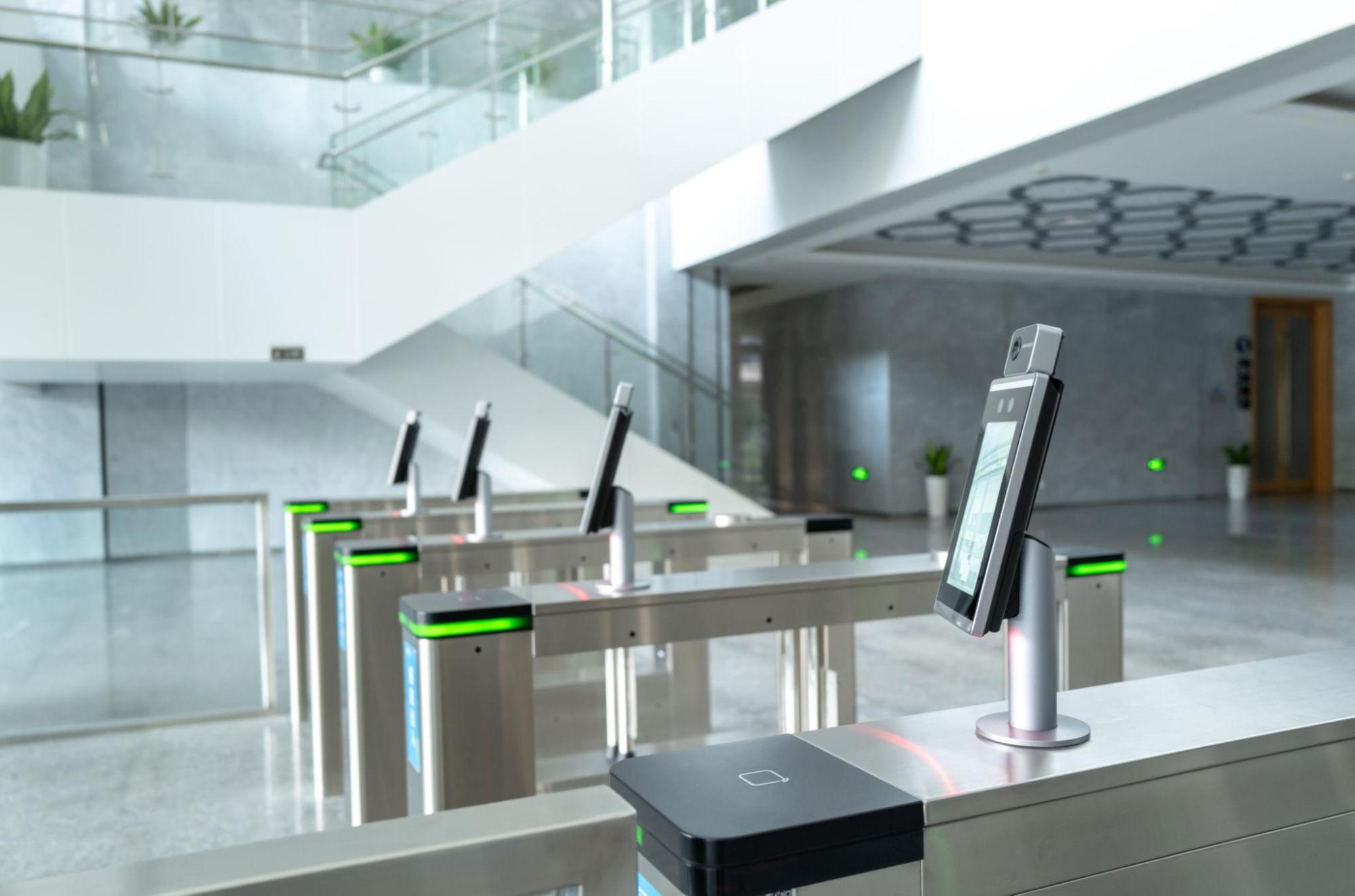
A property manager can use an access control program to manage access to various locations throughout a facility including: main entrance(s), the residences themselves (apartments), commercial activities (shared workspaces) and facilities (fitness center, kitchen, etc.), and parking lot access. Rather than using traditional locks and keys, access control uses digital keys; example: smart cards, mobile apps, biometric readers (fingerprints, facial recognition), or temporary PIN code access.
The biggest benefit of having an access control system is being able to manage all of the systems from one place. When it comes to access control, property owners can approve or deny people access to features of the building; keep track of who came and went out of the building at a particular time; and change user access rights as needed and in real time. Having an access control system also eliminates some of the manual processes involved with managing access rights to a location.
Enhancing Resident Experience Through Smart Access
The primary benefit of installing an access control system is improved tenant experience. Today’s tenants have come to expect a level of convenience and speed in every aspect of their life. There are no longer any expectations for residents to use physical keys or have to coordinate with staff members to let them into a door.
Smart access systems enable residents to gain entry through their smartphones, allow them to use shared access areas with no wait time, and can give visitors or service providers access temporarily. Providing this level of convenience allows tenants to create a smooth-flowing, modern, and intuitive living experience. This type of system provides a better experience for residents and lowers the friction in daily interactions which makes co-living and co-housing environments more appealing to residents who are tech-oriented.
Strengthening Security in Shared Environments
When it comes to shared living arrangements, security is an important issue; as many people will be entering a common area, the potential risk from someone entering without permission (not authorized) is higher. Access control systems provide a solution to this by allowing property managers to see (e.g., video) in real-time who enters or exits from the property.
Modern solutions go beyond basic entry logs. Advanced platforms such as Coram AI platform deliver a powerful access control solution by combining access logs with video verification, allowing operators to visually confirm every entry event. This layer of intelligence allows for identifying any suspected activities including stopping people from going where they should not; recognizing if someone is likely going to engage in bad behavior; and reacting to events much faster than before.
Automatic monitoring allows for faster response and protects people living together; it reduces the workload of security employees.
Simplifying Tenant Management
Tenant turnover is a major factor influencing co-living spaces; tenants can have a permanent lease or stay for anywhere from a few weeks to months, making it difficult to manage all of the tenants’ access without good tools.
The use of an access control system will enable immediate activation/deactivation of tenants’ credentials (both for new tenants moving in and previous tenants moving out). Therefore, when new tenants move into a property their access can be activated immediately and when they vacate a property their access can be deactivated in seconds.
As a result, this will provide a much simpler process for onboarding/offboarding new tenants and significantly reduce the time spent on managing tenants’ access as well reduce operational complexity.
Enabling Centralized Control Across Properties
A number of co-living companies have several properties in various cities; however, if there isn’t a centralized system in place it is practically impossible to track and control the access to all these properties.
When using a Cloud-based access control system, there is one dashboard for all properties which allows the manager to monitor activity, modify authorization and quickly respond to incidents from any location. This is crucial for scaling operational capabilities while upholding security standards across all properties.
Additionally, a Cloud-based access control system allows operators to maintain visibility of the properties while not needing to employ a large number of team members at each property, which ultimately saves on operation costs.
Integration With Smart Living Technologies
When community living is combined with access control technology, they form part of a complete smart home ecosystem. Video surveillance systems of recording and alerting can work in conjunction with access control systems to provide more secure and streamlined access to buildings for the tenants. Co-living access control systems can also incorporate visitor management systems as well as a wide range of smart home devices, thus creating a fully integrated environment where multiple technology systems work in unison to provide an overall more safe and convenient living environment.
One example of integrated access control systems with video surveillance systems would be when an access control system would trigger an event (for example, when someone enters the building) and activate the video surveillance system to begin recording and sending alerts. Therefore, all entry points would be monitored, recorded and viewed by the security system. This would provide a higher level of safety and security to all of the tenants and allow the owner of the building to gather valuable information about the overall usage of the building.
Data-Driven Insights for Better Operations
Access Control Systems have Additional Benefits; their Data. They provide detailed information regarding how Residents Utilise Individual areas of their Home. Managers can analyse trends based on time of Peak Usage and Identify Areas that are not being Used.
Access control systems data is utilized to enhance Operations by improving Space Design and the Overall Experience of the Resident, as well as provide timely, fact-based information to managers for their future Expansion and Improvement plans.
The Role of AI in Modern Access Control
Access Control Systems are being improved by Artificial Intelligence. AI is capable of recognizing patterns, establishing identifiable threats, and quickly taking action on those threats through automation. AI technologies such as facial recognition and behavior analysis have become more and more popular in larger co-living developments and condominiums.
By using these types of technologies, we are able to decrease the amount of manual monitoring that must be performed as well as see an increase in the accuracy and response time of monitoring. In the end, we are creating a more proactive security environment because these types of technologies allow us to identify security threats before they become a concern.
Challenges to Consider
Access Control Systems (ACS) have numerous benefits, but there are also some negatives associated with implementing them. One of the biggest negatives in getting started with ACS is the cost. While using a large building increases the cost of the ACS implementation, by achieving operational efficiency through the use of an ACS over time, other than the initial cost will eventually offset the costs incurred in implementing the system.
Another area of potential concern for you is the way that you collect data from residents. As this type of system is relatively new, there may be some hesitation among residents in terms of how their personal information will be used. If visitors are going to feel safe using your ACS system, there needs to be a clear understanding of what information you collect on a regular basis and where/what laws govern the use of that information. .
Integrating the ACS into the pre-existing infrastructure can also be quite challenging. Therefore, operators need to select ACS components that are adaptable/expandable as their number one priority when making a decision on what components to use.
The Future of Access Control in Co-Living
The technological advancements in access control are likely to shape the future of co-living. The use of mobile-based access applications will become the norm and ultimately do away with the use of physical credentials. Along with this, further advancements in biometric authentication will make accessing a property more secure and convenient.
As automation continues to develop, self-managed co-living spaces may be able to appreciate artificial intelligence systems that can provide access management and security monitoring without intervention from a human being.
Additionally, access control systems will begin to integrate with energy management systems to improve the efficiency of resources.
Conclusion
Co-living is developing a new style of urban life that combines flexibility, affordability and a social network. Advanced technology is necessary to effectively operate co-living buildings or communities in rapidly changing environments.
The introduction of access control systems for co-living is crucial to achieving this change by providing security, convenience and scalability; the three essentials to developing modern co-living. Access Control Systems help provide both safety and an overall better experience for residents.
As the co-living market continues to expand, Access Control will lead the way for continued innovations and help define how future generations of co-livers experience their shared living.
FAQs
Access Control Systems in Co-Living Spaces
Access Control Systems are digital systems to control who can access a location, managed by Technology like Mobile Phones, Card Access, or Biometrics.
Why is implementing Access Control Systems important to Co-Living?
Access control systems help to increase security, making Tenant Management easy, and provides seamless integration for residents and the property as a whole.
Can you manage Access Control Systems remotely?
The majority of modern access control systems are cloud based and allow remote access to manage and monitor access to all locations controlled by the access control system, from anywhere.
Can an Access Control System manage multiple properties?
Yes, there are Access Control Systems that are designed to manage and provide information for multiple properties in one consolidated user interface.
Is Access Control Secure?
With proper configuration of your access control systems, they provide additional security through real-time access monitoring, alerts, and integration into video surveillance systems.