


Table of Contents
High-density housing has come to be a reality in contemporary urban living, most evident in the setting of new urban development such as Adelaide. High-density housing, including apartment buildings, townhouse complexes, and multi-unit complexes, makes possible the presence of a large number of people in a position to access the hubs of employment, transport, and critical community services.
On the other hand, while high-density housing makes possible the accessibility of critical services by a high number of people, the density of the services of the housing community poses a significant burden to the shared plumbing services of the community.
To provide system usefulness and prevent system interruption, owners often turn to experienced local professionals such as Koala Plumbing Adelaide to maintain system reliability and prevent disruptions.
It is not just a question of holding the inconvenience at bay, as plumbing maintenance is basic to the protection of properties, the safety of residents, and the controlled costs of high-density housing.
Shared plumbing systems exacerbate small troubles
Some of the biggest differences between self-contained dwelling units and high-density dwelling units lie in the extent of the water distribution system share among the dwelling units. Water mains, sewage mains, stormwater sewer mains, and sometimes the hot water distribution mains are capable of serving dozens and even hundreds of dwelling units. Since the system is shared, any fault in the system is likely to be more extensive than the original point of fault.
For example, a partial obstruction in the main sewer line could cause a slow drainage problem in an apartment. However, if the issue is not fixed, a backup problem may develop in some of the apartments. In addition, water damage on some floors may not point to a problem with the riser pipe. Nonetheless, the problem may be fixed by good maintenance.
It accelerates degradation because of overuse
Apart from that, the plumbing systems in high-density residential homes work harder compared to those in single-family homes. This is because several families are using services like toilet facilities, showering facilities, sink facilities, dishwashers, and washer/dryers concurrently. This therefore reduces the lifespan of those plumbing systems.
Components such as pressure-limiting valves, isolation taps, and flexible hoses are under constant stress. This is expected to lead to a breakdown if they are not inspected frequently. The effect that comes with the breakdown of such components within the water distribution system will lead to a shutdown that affects quite a high number of residents.
Preventing costly Emergency Repairs
Plumbing in emergency situations in high-rise buildings would, in any case, be more complex and costly compared to routine plumbing maintenance. Also, there may be issues in working in a common plumbing system, requiring collaboration with flat residents, cutting off the water supply temporarily, or even more complex works involving walls, ceilings, or common floor spaces.
Such call-outs are usually carried out outside normal working hours and hence cost more. For example, where maintenance work is carried out on an ad-hoc call-out arrangement, any problems experienced can be sorted out on the same visit. This also means labor costs will be reduced. Therefore, despite being expensive, such call-outs can be cost-saving in the end.
Protecting the Structure and Internal Finishes
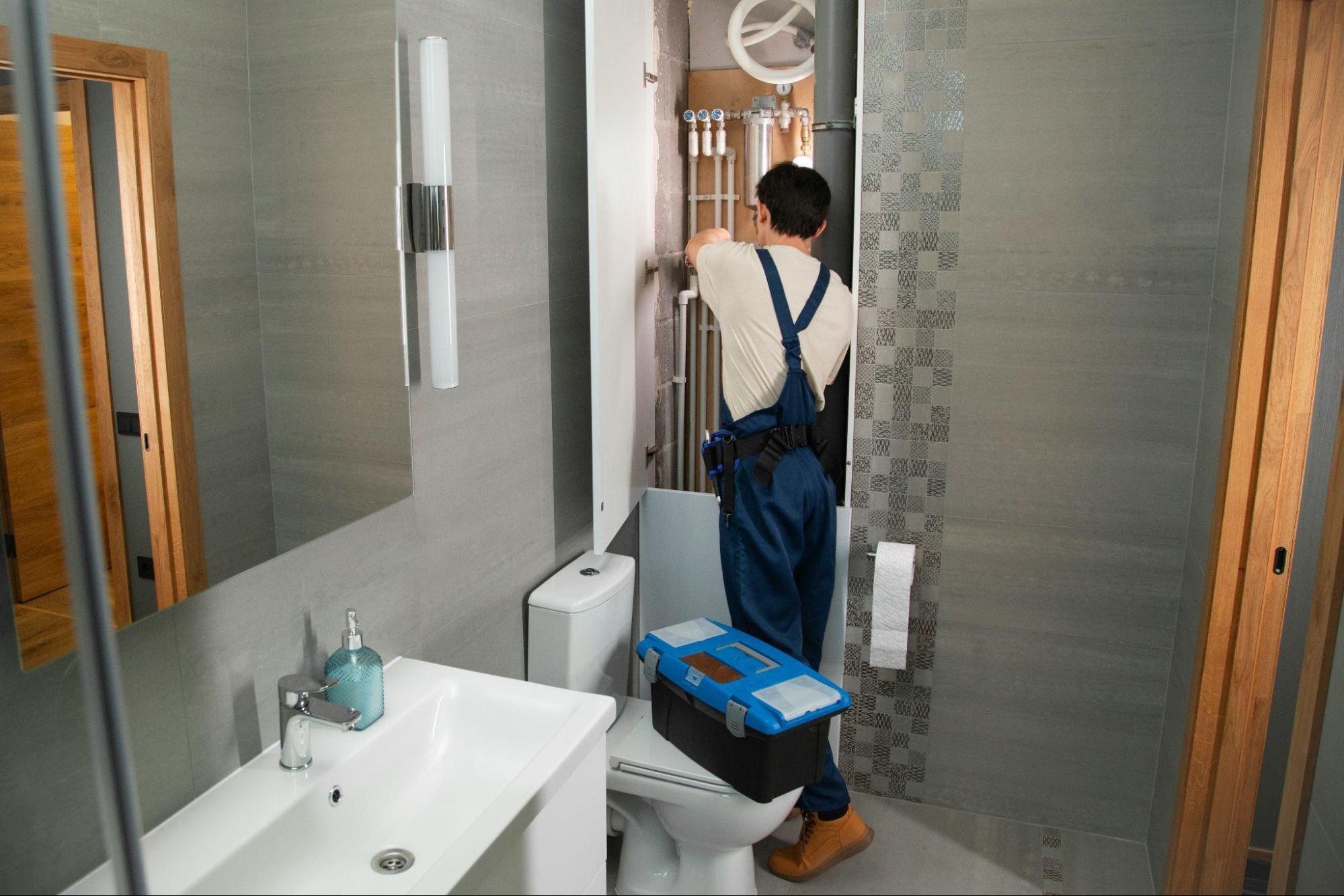

Water damage, associated with water leakage, is one of the most pressing and costliest issues associated with high density housing structures. Leaks, if left untouched, can easily spread through walls, ceilings, and floors, thus causing damage in terms of mould, rot, rust, and concrete damage due to the fact that water can easily flow through cavities and concrete members, leading to damage much further away from where it all began in the first instance.
Within apartment buildings, the presence of a water leak within an apartment could potentially affect other units either above, below, or in an adjacent apartment. Plumbing maintenance can easily prevent this potential by detecting water leaks early to avoid being exposed to water for too long.
Uniform Water Pressure & Performance
Lack of sufficient water pressure can be experienced in high-density developments. This is because people may end up with poor shower pressure, temperature, and/or water flow. This has been attributed to either clogged pipes, broken pressure valves, and old plumbing infrastructure that may struggle to supply enough water.
The regular maintenance will make sure that everything related to the pressure-limiting valve functions well, including the water supply lines, so that water flows at an equal rate in all units. It is an advantage not only to the residents, but to the water supply too.
Providing reliable hot water services
In most high-density developments, the system that could be used would either be a centralized or semi-centralized system regarding hot water supply in many bathrooms. This system is very effective. However, the system should be properly maintained to make it efficient. Otherwise, problems may arise from sedimentation, worn-out parts, and broken thermometers.
Hot water failures, in particular, present serious issues and can quickly become important matters of compliance. Maintenance can help extend the life of these components and help prevent unexpected failures.
Ensuring tenant satisfaction and occupancy of housing units
Within high-density residential properties, such as those that rely on rentals for their existence, plumbing system functionality has the possibility of being directly linked to the general level of tenant satisfaction. Issues that currently exist within these systems, such as leaking taps, drainage, and hot water availability, possess the propensity for giving rise to tenant property manager relationships that start deteriorating.
This will also ensure professionalism, which will make the customers satisfied. Likewise, satisfied customers will be likely to remain loyal to the contract, thus cutting down the costs of administration and marketing incurred by the owners.
Issues of Compliance, Liability, and Insurance
Such residential property has strict requirements when it comes to building, safety, and habitability standards. The water services component has the responsibility of ensuring the provision of safe access to clean water and sanitary sewage drainage. Failure of water services may expose the property owner or body corporate to the risk of non-compliance with the regulatory requirements.
In terms of home insurance, any form of damages that result because of lack of maintenance may or may not be fully covered. This would require proof of proper upkeep and diligence.
In the context of high-density housing estates, plumbing involves an intricate series of networks that are meant to facilitate the lifestyle of the users. In situations where the maintenance of the plumbing systems is delayed, small problems have the potential of becoming macro-problems.
Being proactive about plumbing maintenance, working hand-in-hand with professionals such as Koala Plumbing Adelaide, will ensure that the dangers that come with ownership are mitigated, while also ensuring that users enjoy a responsible living environment within high-density estates. In high-density developments, being responsible for plumbing maintenance is not a matter of best practice, it is a matter of survival. For more information, check out the Housing Industry Association (HIA).