


Table of Contents
The Dominican Republic offers far more than Caribbean beaches and all-inclusive resorts, and nature enthusiasts discover an astonishing biological ecosystem rivalling any global biodiversity hotspot. This Caribbean nation boasts ecosystems ranging from cloud forests crowning the Caribbean’s highest peaks to sprawling mangrove networks protecting coastal lagoons, making it exceptional for travellers prioritising natural immersion alongside traditional beach relaxation. According to recent conservation data, Valle Nuevo National Park alone contains over 500 plant species, with 138 endemic exclusively to this region, showing the country’s ecological significance within the Caribbean Islands biodiversity hotspot.
-
A Network of National Parks and Natural Landscapes
The Dominican Republic protects over 25% of its territory through an impressive network of 29 national parks, 2 marine parks, and numerous reserves covering diverse ecosystems, making making Dominican Republic holidays exceptional for nature lovers looking for immersive wilderness experiences. Los Haitises National Park showcases karst limestone formations, which are towering mogotes rising from mangrove forests, alongside ancient Taino caves adorned with pre-Columbian rock art. Cotubanamá National Park (formerly Del Este) combines tropical dry forest with stunning coastal scenery and offshore islands where frigatebirds nest in spectacular colonies. These protected areas support exceptional birdlife, including 32 endemic species found nowhere else globally, from the Hispaniolan trogon to the endangered Ridgway’s hawk, making the country a premier Caribbean birding destination.
-
Waterfalls, Caves and Inland Adventures
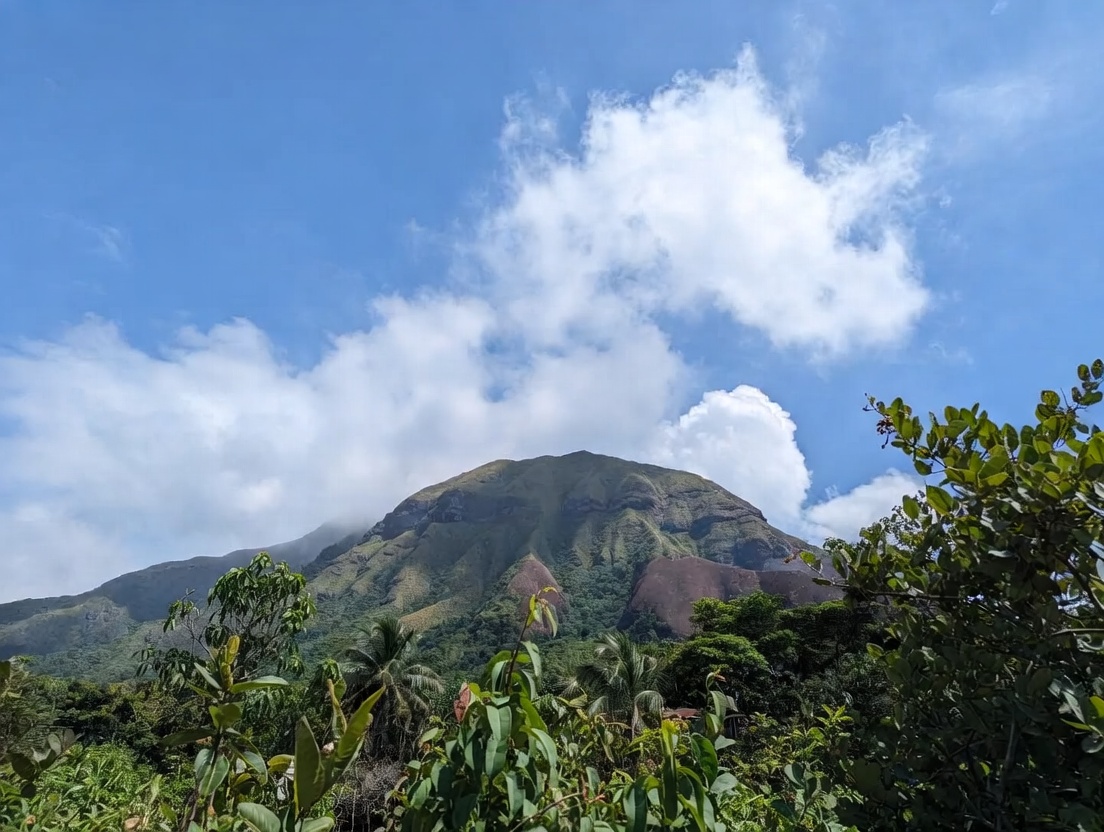
Besides coastlines, the Dominican interior reveals extraordinary geological wonders and adventurous hiking opportunities. Pico Duarte, the Caribbean’s highest peak at 3,087 metres, rewards multi-day trekkers with sunrise views across cloud-draped valleys and pine forests thriving at elevations impossible elsewhere in the tropics. The Jarabacoa region offers accessible waterfall hikes, including the spectacular 27 Charcos de Damajagua, a series of cascading pools where visitors swim, jump, and slide through limestone gorges. Extensive cave systems, including Cueva de las Maravillas, feature stalactites, stalagmites, and additional Taino petroglyphs, providing cool respite from tropical heat whilst revealing millions of years of geological history.
-
Marine Environments and Coral Reef Conservation
The Dominican Republic’s underwater ecosystems match its terrestrial biodiversity, with coral reefs, seagrass beds, and marine sanctuaries supporting extraordinary aquatic life. According to recent marine conservation efforts, the Dominican Republic pledged to protect 30% of its waters, expanding marine conservation, whilst coral restoration projects actively rehabilitate reef health through fertilisation initiatives and sustainable tourism practices. Samaná Bay hosts annual humpback whale migrations between January and March, offering unparalleled opportunities to observe these magnificent mammals in protected breeding grounds. Snorkellers and divers encounter sea turtles, tropical fish, and occasionally manatees throughout coastal reserves, whilst mangrove kayaking reveals hidden ecosystems teeming with juvenile fish and wading birds.
-
Where to Plan Your Visit and What to Expect
Timing improves nature-focused experiences. January through March delivers whale watching whilst avoiding hurricane season, and April and May offer excellent birdwatching during migration periods. The Samaná Peninsula provides ideal bases for marine activities, whilst the Central Highlands around Jarabacoa suit adventure seekers prioritising waterfalls and mountain exploration. Parque Nacional del Este combines beach relaxation with nature walks, perfectly balancing diverse interests within single itineraries.
The Dominican Republic rewards nature lovers with extraordinary biodiversity, accessible wilderness adventures, and meaningful conservation experiences, proving this Caribbean nation offers profound natural richness far beyond its famous beaches.