


Table of Contents
When homebuyers walk into a house, the kitchen often does the talking first. Even buyers who say they’re focused on square footage or location tend to linger in the kitchen longer than any other room. Whether they realize it or not, they’re asking a simple question: Can I live here comfortably?
Today’s buyers aren’t just looking for something that looks good in photos. They want kitchens that work – spaces that feel intuitive, flexible, and easy to use. Understanding what matters most can make a big difference if you’re preparing to sell in the near future.
An Efficient Layout Comes First
Before finishes, appliances, or design trends come into play, buyers care about how the kitchen functions. If the layout feels awkward or cramped, it’s hard for them to see past it.
That preference is backed up by data. A recent Rocket Mortgage® survey highlights just how important functionality has become. According to the first-time home buyers that Rocket Mortgage surveyed, an efficient layout (58 percent), ample counter space (50 percent), and smart storage solutions (50 percent) are the most important kitchen features in a new home.
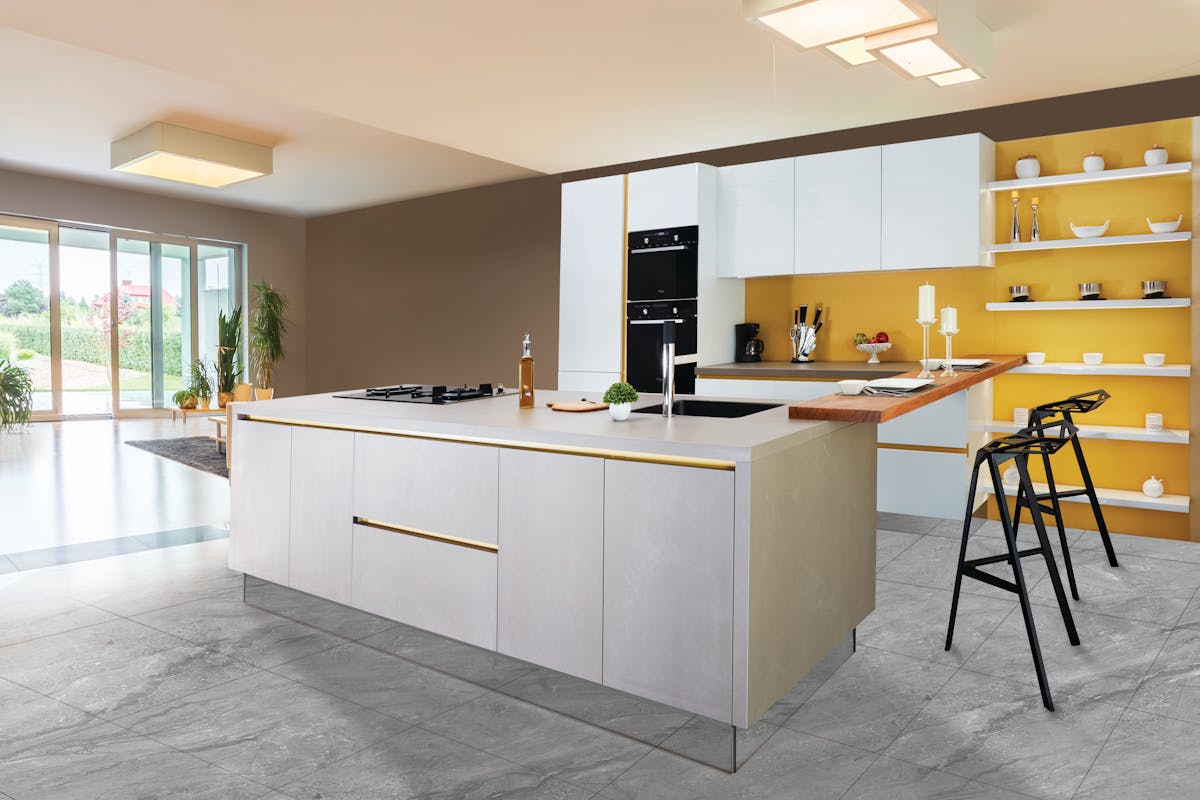
An efficient layout means clear pathways, logical placement of appliances, and enough room for more than one person to move comfortably. Buyers want to see a kitchen where cooking is easy and traffic doesn’t bottleneck around the fridge or sink. Even smaller kitchens can feel appealing if the layout makes sense.
Counter Space Is About Daily Usability
Countertops aren’t just a design element. They’re work surfaces, gathering spots, and sometimes makeshift desks. Buyers pay close attention to how much usable counter space a kitchen offers, as well as where it’s located.
This isn’t just about having long runs of counters. Buyers notice whether there’s enough space to do the things they need to do. This is why islands are especially popular – they add flexibility.
Smart Storage Makes a Kitchen Feel Bigger
Storage can make or break a kitchen, especially for buyers coming from smaller spaces or rentals. Cabinets that look good but don’t hold much aren’t enough anymore. Buyers want storage that actually solves problems.
Pull-out drawers, deep lower cabinets, pantry space, and built-in organizers all help buyers picture an easier daily routine. They want to know where small appliances will live, where bulk items can go, and whether everything has a place.
Smart storage also makes kitchens feel larger and more organized, even when square footage is limited. Buyers may not always name specific storage features, but they instinctively respond to kitchens that feel uncluttered and efficient.
Updated, Neutral Finishes Still Matter
While layout and function lead the list, aesthetics still play an important supporting role. Buyers tend to prefer kitchens that feel updated but not overly personalized.
Neutral color palettes, simple cabinet styles, and timeless materials help buyers imagine their own touches without feeling like they need to renovate immediately. White, soft grays, warm woods, and muted tones continue to dominate because they feel clean and flexible.
Bold design choices can be appealing to the right buyer, but they narrow the audience. Most buyers want a kitchen that feels current without being trendy in a way that will age quickly.
Modern Appliances Signal Convenience
Buyers don’t expect luxury-grade appliances in every home, but they do notice when appliances feel outdated or mismatched. Consistency matters here (maybe more than anywhere else). A cohesive set of modern appliances suggests the kitchen has been cared for and updated intentionally.
Even if buyers don’t plan to use every feature, newer appliances give the impression of lower near-term maintenance costs and fewer immediate upgrades. Appliances don’t need to be top-of-the-line to add value, but do need to feel appropriate for the home and the price point.
Lighting Shapes How the Kitchen Feels
Lighting is often overlooked, but buyers notice it immediately – especially when it’s done poorly. Kitchens that feel dark or shadowy can come across as smaller and less welcoming, even if they’re well laid out.
Buyers respond positively to layered lighting. That usually means a mix of overhead lighting, task lighting under cabinets, and accent lighting over islands or dining areas. Natural light is a major bonus, but artificial lighting can make up a lot of ground when it’s thoughtfully planned.
Open Connection to Living Spaces
Many buyers prefer kitchens that connect naturally to dining or living areas. This doesn’t always mean a fully open floor plan, but it does mean avoiding layouts that feel isolated or boxed in.
A kitchen that allows conversation and movement between spaces feels more social and adaptable. Buyers imagine a number of things when looking at a kitchen. This includes hosting, supervising kids, and cooking without feeling cut off from the rest of the home.
This kind of connection can be achieved through wide openings and pass-throughs. And even when there isn’t a totally open floor plan, having parietal walls that maintain some separation without creating total isolation is helpful.
Adding it All Up
When buyers evaluate a kitchen, they’re imagining daily life. They want efficiency and smart design choices that make cooking and gathering easier. And the data reinforces what many sellers and agents already see firsthand: Layout, counter space, and storage matter most.
If you’re preparing a home for sale or planning updates, focusing on function first and style second is often the smartest approach. A kitchen that works well, feels open, and offers flexibility gives buyers something they value even more than a wow factor. It gives them confidence that the home will support their everyday life.