


Table of Contents
Miami rewards people who look beyond the obvious. Step off the road, onto the water, and the city reveasl its better angles. Bays, islands, and wetlands link together in ways most visitors never see. Follow the water and Miami stops feeling busy and starts feeling irresistible.
Miami hits you fast, in the best possible way. Sun on glass, palm trees against blue sky, water everywhere you look. From the moment you arrive, the city feels open, bright, and unapologetically on display. It is a place built to be seen. But the real reveal does not happen on Ocean Drive or from a hotel balcony. It happens once you leave the pavement behind and move onto the water. Out there, Miami slows just enough for you to take it in properly. The skyline lines up, the islands drift past, and suddenly the city feels less like a postcard and more like a place you are part of.
Seeing Miami From the Water Changes the City’s Scale
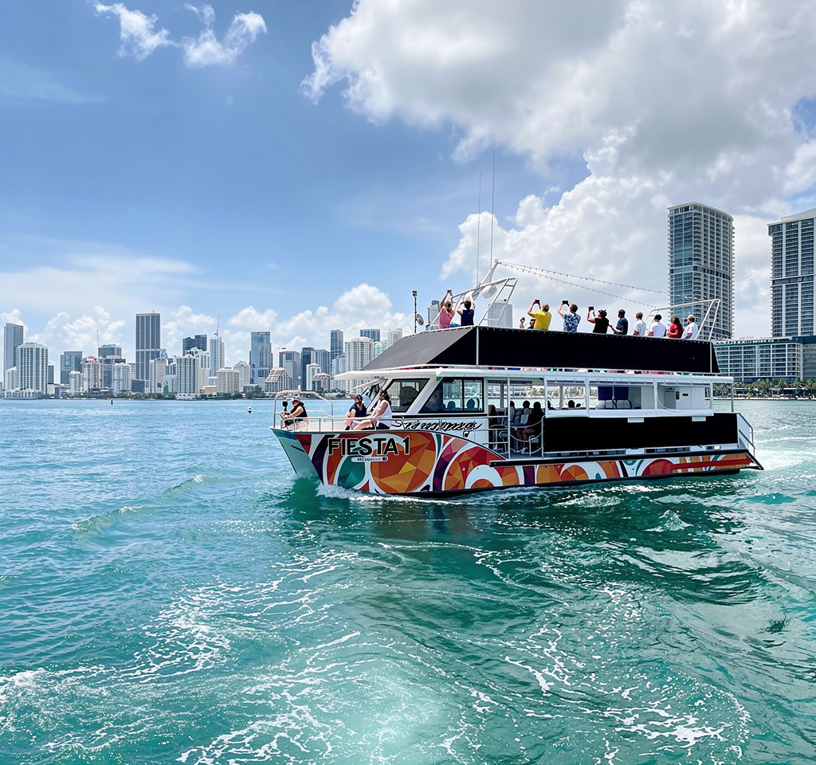
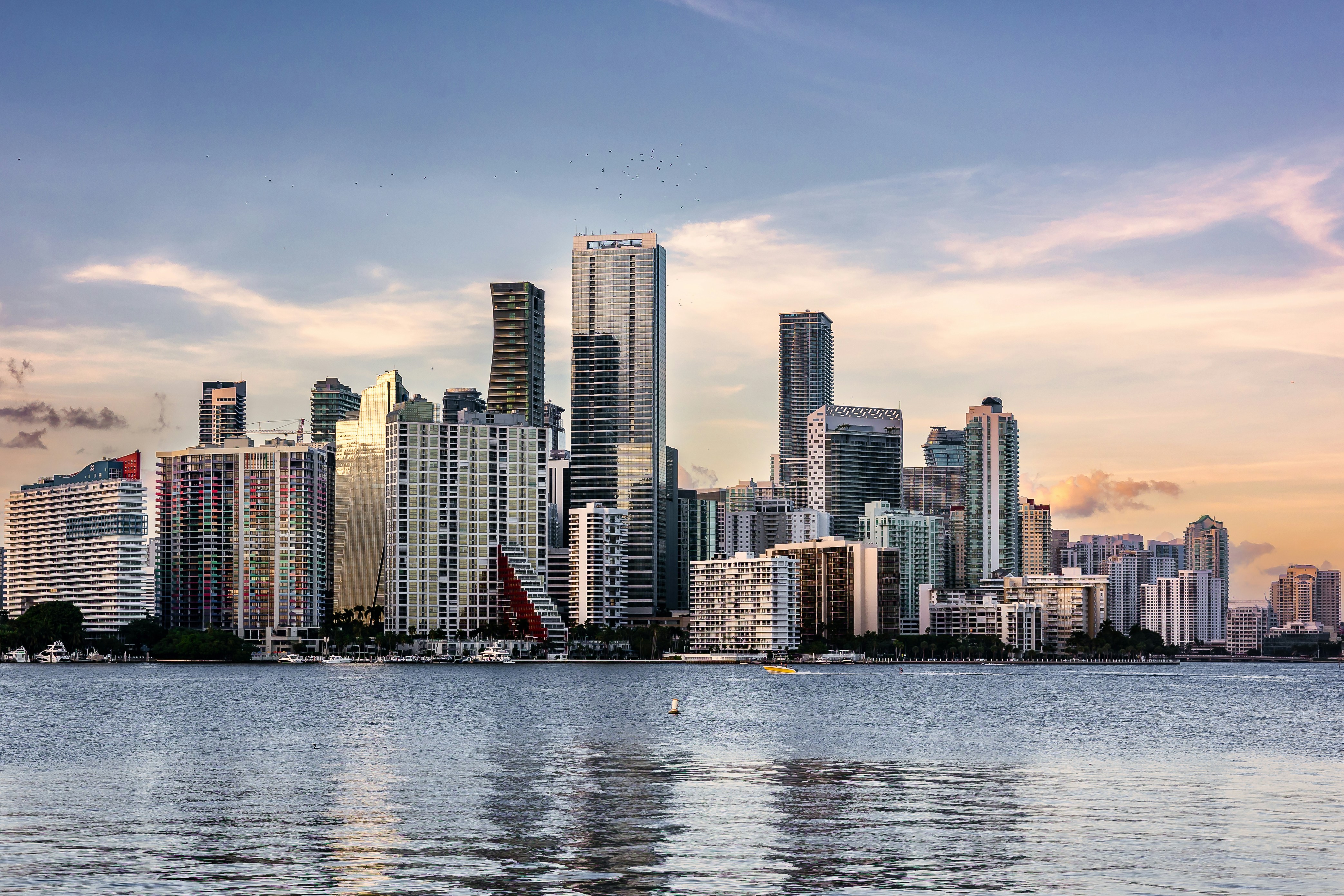
Miami was always meant to be seen from the bay. From the water, the skyline stretches out clean and uninterrupted, glass towers catching the light as boats slip past private islands and open channels. Star Island, Fisher Island, the Venetian Islands and South Beach stop feeling like separate stops on a list and start becoming one continuous waterfront playground. You can see why so much of the city’s history, money and energy gathered right here.
This view also explains Miami’s pull. Miami-Dade welcomed more than 28 million visitors in 2024, a record year, and many of them come chasing this exact mix of glamour and geography. Hotel rates topping $250 a night in peak periods suggest people are not just passing through. They are settling in and looking for experiences that feel worth the time. Seeing the city from the water does that in a way roads can’t quite manage.
A cruise across Biscayne Bay offers the kind of effortless orientation that makes everything else click into place. A Miami Boat Tour with Miami on the Water ties the skyline, the islands, and the working port together in one smooth journey. You are not hopping between sights. You are drifting through the version of Miami that makes people fall for it in the first place.


From Bays to Wetlands, Miami’s Waterways Stretch Far Beyond the City
What surprises most people is how close the wild side of Florida sits to all that polish. One moment you are skimming past glass towers and private docks, the next you are heading toward open wetlands where the horizon flattens and the noise drops away. Miami is not just a coastal city. It is the front door to one of the most unusual landscapes in North America.
The Everglades begins less than an hour from downtown, yet it feels worlds apart. This is where the water spreads out instead of being channelled and where sawgrass replaces concrete. Airboats skim across shallow water, birds lift off in slow motion and alligators sun themselves a few feet from the boat’s edge. Everglades National Park covers more than 1.5 million acres, making it the largest subtropical wilderness in the United States, and it draws roughly a million visitors a year who want to see Florida before the roads arrived.
That contrast is what makes the pairing work. After seeing Miami from the bay, heading inland feels like turning the page rather than changing destinations. A Miami Everglades Tour gives you a structured way to experience that change in perspective, moving from open water and skyline views to wetlands and wildlife without guesswork. You are still following the water. It just leads you somewhere completely different.
What the Everglades Actually Looks Like When You Are There
It helps to be clear about what an Everglades visit feels like in real terms, because it is not one single scene. Parts of it are wide and open, with water stretching out under a huge sky. Other parts close in around you, with mangroves in narrow channels that feel almost hidden. It’s teeming with life, and there’s always movement Birds lift off, fish break the surface, and airboats glide past at speed before disappearing again.
This is not a theme park version of nature. Boardwalk trails take you just above the waterline. Airboats skim across shallow grasslands where alligators blend into the landscape until they are suddenly right there. In the dry season, wildlife gathers closer to the remaining water, which makes sightings more common and more dramatic. In the wetter months, the scale becomes the story, with water spreading out and the park feeling endless.
Seeing the distance between stops, the pace of boat travel, and the way the terrain changes makes the experience easier to picture and easier to plan.

Watching it, you start to see why people pair the Everglades with a Miami visit. It is not about ticking off attractions, but stepping into a version of Florida that still runs on water, weather, and space, all just a short drive from the city.

Why Water-Focused Travel Keeps Pulling People to Miami
Miami’s relationship with water is not just aesthetic. It shows up clearly in the numbers. Miami-Dade tourism continues to grow, with visitor activity rising by around 5% in the most recent reporting period, driven largely by domestic travel and strong demand for coastal and outdoor experiences. Tourism-related taxes climbed to just under $400 million, a figure that only comes to light when hotels are full and people are spending.
Those figures sit alongside telling signals on the ground. Average daily hotel rates reached about $251 in the first half of the year, up again on the previous period, and revenue per available room followed the same upward trend. That tells you visitors are not cutting trips short or sticking to their rooms. They are out exploring, and they are willing to pay for experiences that feel distinctive rather than interchangeable.
Water-based sightseeing fits hand-in-glove into that pattern. Boats, bays and wetlands give Miami a sense of space that busy cities often lack, and they do it without asking visitors to travel far or overthink logistics. Even as some international markets softened, local and regional visitors kept coming, looking for ways to experience the city that feel relaxed but still unmistakably Miami.
Put simply, water is one of the city’s most reliable draws. It offers spectacle without crowds, movement without stress, and a sense of escape that still keeps you firmly connected to the place you came to see.
Getting to Miami Sets the Tone for the Whole Trip
How you arrive in Miami shapes what kind of visit you end up having. Most people fly in with a rough plan in mind, a few days carved out, maybe a hotel booked near the beach or downtown. What often gets overlooked is how travel logistics affect everything that follows. Miami is busy year-round. Flights fill quickly, and prices move around more than people expect. Locking in the right route early gives you more freedom once you land.
Miami International Airport is one of the busiest hubs in the United States, handling tens of millions of passengers each year and offering direct routes from across North America, Europe, and Latin America. That level of access is part of why Miami works so well as a short escape or a longer stay. You can arrive in the morning and be on the water by the afternoon, without losing a day to transfers or long drives.
Smart flight planning also makes it easier to spend your time well once you are there. When arrival and departure feel sorted, you are more likely to choose experiences that slow things down rather than rushing to fit everything in. Finding cheap flights fits neatly into that mindset. Get the travel side right, and Miami opens up as a place where you can drift from bay to wetlands without watching the clock.
Ending the Trip Where Miami Makes Sense
Miami rewards you when you stop trying to cover everything at once. The city has plenty of flash on land, but its real character shows when you let the water lead. From the bay, the skyline feels balanced instead of busy. From the wetlands, Florida reveals a side that still runs on weather and wildlife. Both experiences sit close enough together to share the same trip without feeling rushed.
That combination is what lingers. You remember the glide of a boat across Biscayne Bay, the way islands slip past without effort and the sudden stillness of the Everglades when the engine cuts. It feels indulgent without being overworked, memorable without needing a checklist.
Miami does not ask you to choose between glamour and nature. It offers both, connected by water and easy to move between if you plan it right. When you leave, it is not the landmarks that stick. It is the feeling that you saw the city the way it was meant to be experienced.
Source: amazonaws.com