


Table of Contents
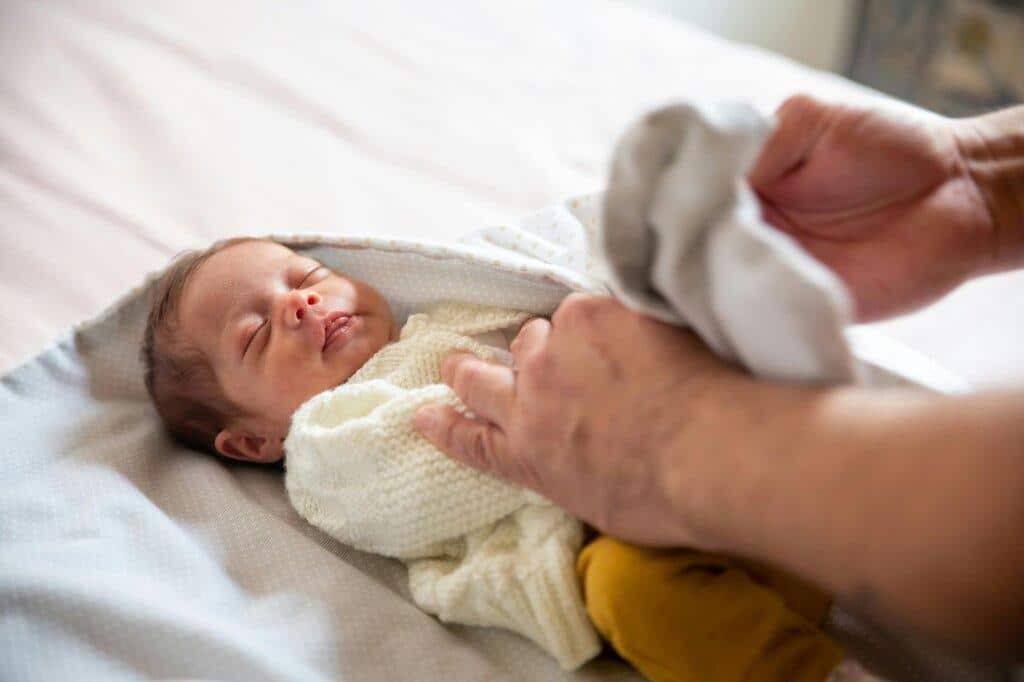
Transition swaddling can be challenging for new parents. As babies start rolling and moving around more, the swaddle that used to kept them snug and cozy might not be safe to use anymore. Watching your baby in a front facing infant carrier will allow you to spot early indicators of enhanced mobility and the potential need to transition to a more secure sleeping option.
In this guide, you’ll find practical tips for mastering transition swaddling. You’ll learn how to bring one arm out at a time, when to choose a quicker approach, and how to make use of safe sleep alternatives such as sleep sacks. You’ll also get tips for reducing the startle reflex, adjusting bedtime routines, and managing common sleep disturbances.
Safety First: When It Is Time to Stop Swaddling
Babies grow fast, and knowing when to start transition swaddling keeps them safe. Signs to look for are rolling over while playing, pushing up on hands during tummy time, or escaping the swaddle. Floor time gives you a great vantage point to see these critical cues. When playtime is over, you can put your baby in a front facing infant carrier and head outdoors for a brief stroll.
Additional signs that indicate that you should stop swaddling include constantly breaking out of the swaddle, has less startle reflex, or seems to resist being swaddled. Watch for these signs so you can proceed with a gentle transition to safer sleep options. Know what signs to look for to give you peace of mind as you begin transition swaddling and adjusting bedtime routines.
Recognizing the Signs of Rolling and Increased Mobility
Infants usually exhibit subtle signs of increased movement prior to rolling. Early indicators may include lifting their chest using their arms, rolling to the side, or gentle rocking motions on their tummy or back. These signs are easiest to see during floor play, and a front facing infant carrier can be used afterward for comfort and bonding.
Many babies also kick with enough force to move their hips or turn slightly on the floor, which shows growing mobility. Some begin slipping out of a snug swaddle or showing less startle reflex as they get older. Recognizing these changes early helps you start transition swaddling with confidence and support safer sleep.
The Gradual Method: Introducing One Arm Out at a Time
Transition swaddling works best when parents make small steps instead of big changes. Many babies adjust better when their arms are freed slowly, and a gentle pace can help them settle with less stress. Your baby learns new movements every week, so a calm approach helps them stay comfortable. Here is a simple way to do the gradual method:
- Keep one arm free: Wrap your infant with one arm outside of the swaddle and then tuck the rest of the fabric around their chest and torso. Floor play before bedtime helps your infant in practicing stretching and rolling in a secure place. Gentle soothing, such as soft shushing or light pats, can help if they startle awake at night.
- Alternate arms occasionally: Switch which arm is free during naps and nighttime sleep. This allows both sides to become accustomed to being unwrapped and promotes comfort and symmetrical movement.
- Give both arms freedom: When your little one is sleeping well with one arm out for a few nights, swaddle with two arms out but still snug around the chest and waist. Some minor sleep interruption is normal as your infant adjusts to having full arm freedom.
- Introduce sleep sacks: If your baby sleeps well with arms free, it’s time for you to stop using the swaddle. Use a sleep sack or wearable blanket to warm up your baby without limiting movement. Never swaddle a baby who can roll on their own.
- Use a front facing infant carrier: During awake time, use a front facing baby carrier. To help calm your baby before bed and ease them into sleep, carry your baby in an upright position. It promotes closeness and relaxation.
The “Cold Turkey” Approach: Ripping Off the Swaddle Band-Aid
Sometimes safety warrants a quick change, and the “cold turkey” approach of transition swaddling can be very helpful. This method is about ceasing swaddling altogether and using a sleep sack or pajamas while keeping your baby’s arms free. Holding your baby upright in a front facing infant carrier during calm moments can bring comfort and help them adjust to this abrupt transition.
Disruption of sleep is to be expected since freeing your baby’s arms can lead to more startling and more waking. Help your baby settle with a little extra soothing, such as gentle pats, shushing or a pacifier. A consistent bedtime routine offers predictability, which makes the sudden change for arms-free sleep a little safer and easier for you and your baby.
Essential Alternative: Transitioning to a Safe Sleep Sack
When your baby is more active or begins rolling over, transition swaddling to using a safe sleep sack. A sleep sack keeps your baby warm without the need for loose blankets, and allows their arms to move freely. While your baby is getting used to their new sleepwear, you can hold them and comfort them with a front facing infant carrier during calm moments.
Select a sleep sack for your baby that is appropriate for their size and provides space for healthy hip movement. Use the sleep sack when they nap during the day and sleep at night, and do the usual bedtime routine. A few nights of adjustment is to be expected, and being consistent in using the sleep sack helps to reinforce safe sleep habits while allowing your baby to be comfortable and independent.
Minimizing the Startle Reflex with Transitional Sleepwear
Many babies still startle themselves awake when they move out of a full swaddle, and transitional sleepwear can soften that sudden reflex. Products with gentle pressure or light resistance give your baby a cozy feeling without limiting safe movement, which supports smoother progress with transition swaddling. A good transitional suit or sack lets your baby move their arms freely while still lowering the strong jolt of the startle reflex.
Trying different styles will help you determine which one is the best that keeps your baby calm as they transition to new sleepwear. Some styles will accommodate an arms-up position, while others wrap more tightly around the torso for extra security. You may also like to snuggle up with your baby in a front facing infant carrier during the day before naps or bedtime to give them a little extra comfort.
Adjusting the Sleep Environment and Bedtime Routine
Establishing a calm sleep environment can help when your baby rolls out of a swaddle. When you start transition swaddling, a consistent routine makes your baby feel secure. Minor bedroom adjustments and basic nighttime routines can lead to better sleep and a smoother transition. Here are some helpful steps on how to do it:
- Make the crib safe: Remove any loose bedding, and use a firm mattress so your infant has a safe place to sleep.
- Adjust the lighting in the room: Let the light in the room be very little by using black out curtains to make your child sleep longer and avoid waking up early.
- Use white noise for comfort: A consistent steady sound can block out other sounds and create a relaxing soundscape that might help your baby feel more at ease.
- Incorporate some gentle bonding time: Following floor playtime or a brief stroll while using a front facing infant carrier, cuddle your baby to soothe them before you begin the bedtime routine.
- Make the bedtime routine consistent: Establish a simple, predictable bedtime routine and do the same things in the same order each night like taking a warm bath, reading a short story or singing a lullaby so your baby knows that bedtime is coming up.
Expectation Management: Navigating Sleep Disruptions During Transition
When you begin transition swaddling, there will be sleep disruptions so it helps to prepare for changes before they happen. As your baby learns to fall asleep without the snug feeling they’re accustomed to, they could wake up more often. Keeping a calm attitude will make the adjustment easier and more smoothly for you and your little one.
In the early days, you may observe more movement or sudden awakenings, and this is a natural response as your baby is learning to manage new found freedom of movement in their arms and legs. Some parents carry their baby in a front facing infant carrier before bedtime, and this can make the baby feel more secure without using a swaddle. Most babies settle into a more steady routine within one to two weeks.