


Table of Contents
Back then, movie creators shaped stories we still remember, especially the ones listed here – they stick around not just because they’re good but because they capture how things felt when they came out
Back then, something about the light in those old scenes feels like home. Films now keep circling back, pulling threads from that decade like faded photos found in drawers. Maybe it’s the quiet magic in stories told without rushing. That stretch between VHS and streaming held a pulse all its own. Even today, sitting through one of those titles stirs something deep, familiar. Moments built slow, yet never dragged. Faces you recognized even if their names slipped your mind. It wasn’t flashy – just honest hours on screen. One day, ten movies from the 90s felt like they arrived too early. Maybe you’ll recognize them when you look closer.
‘Practical Magic’ (1998)
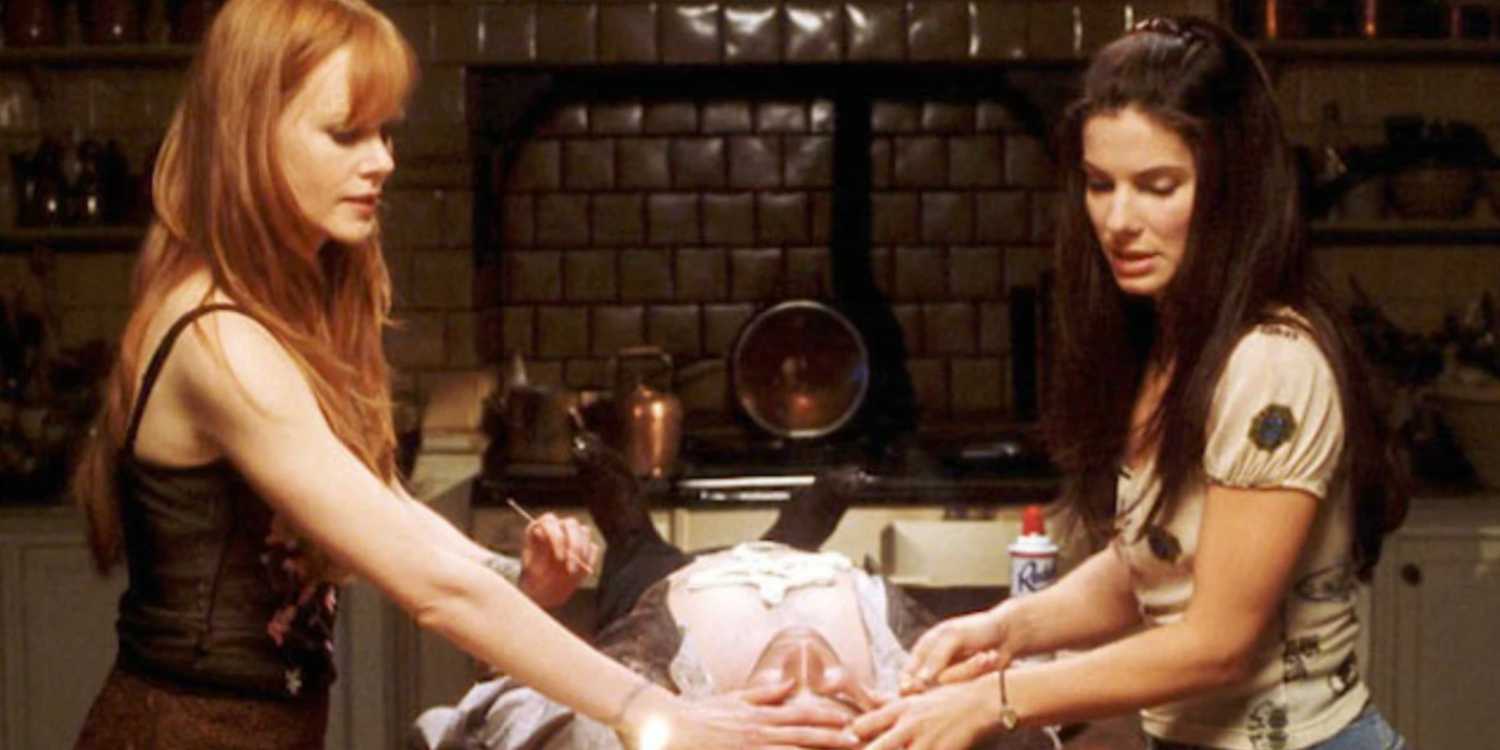

Back in ’98, when Practical Magic first hit screens, girls my age couldn’t stop talking about it – some even returned two or three times just to sit through it again, though ticket numbers said otherwise. Griffin Dunne took the helm, shaping Alice Hoffman’s rich book into a film that doesn’t stick to one lane. Instead, it drifts between heartbreak and hope, slipping in moments where fear meets courage. There’s laughter tucked beside pain, magic woven into everyday choices, growing up tangled with staying true. Sisterhood runs deep, not shouted but lived quietly every day. Somehow, the mix holds – a little like their late-night drinks, only stronger without needing salt or glass.
These days, few films get called groundbreaking without reason – Practical Magic slipped into that spot quietly. One by one, stars such as Reese Witherspoon spoke up, then Julianne Hough joined, followed by Michelle Branch – each saying those small words mattered more than expected. What started quietly, almost unnoticed, grew slowly; now fans hold it tight, protecting every pieces. Come autumn, a follow-up arrives, stirring echoes from the original’s charm. Just lately, Nicole Kidman and Sandra Bullock stepped onto the scene at Cinemacon, standing together under bright lights – suddenly, everyone remembered why they cared. On april 20 brought a first peek at the follow-up. It turns out the next phase for the Owens siblings holds just as much spark as the beginning did.
‘My Girl’ (1991)
![MY GIRL [1991] - Official Trailer (HD)](https://i.ytimg.com/vi/KSyKO0Lklmo/maxresdefault.jpg)

It hits different, My Girl does. A house full of silence doubles as a place where people say goodbye, and inside lives Vada – eleven years old, watching grown-ups move like shadows. Dad stays close by, Grandma too, both holding grief they won’t name. The mother gone before memory began – that absence hums under every scene. Pain comes bare here, nothing polished, just real; even so, wonder sneaks in when least expected. Anna Chlumsky carries most of it, almost every shot leaning into how she plays the part. She had never acted in a film before this one, yet stands firm beside Macaulay Culkin, becoming Thomas Jay, someone very near to her character. The camera stays close when they share moments that feel lived-in.
Back then, I matched Anna’s years, which made My Girl hit close. Her path toward writing? It mirrored my own wish. Grief sat heavily on me, just as it did on her. Few films about growing up truly get what eleven feels like. This one does – handling a kid’s sorrow with care, showing how heavy loss lands at that age.
A follow-up arrived years later – My Girl 2 – also born in the ’90s. Though solid in its own right, fun even, it missed that rare spark only the original caught so perfectly. Still holds up nicely, particularly when you’re eager to revisit Vada and her quirky relatives.
Drop Dead Fred 1991


Back in ninety one, I got hooked on Drop Dead Fred because it felt so strange yet full of life. Should you have spent youth talking to someone nobody else could see, this film might just click. A grown woman digs into old happiness buried under decades of gray days and quiet defeat. Rik Mayall plays Fred like chaos given shape, wild but weirdly precise. Meanwhile, Phoebe Cates holds everything together – dreams drifting through ordinary moments. The whole thing sticks around the edge of silly without tipping over. A movie on mental well-being, harmful bonds, yet finding oneself – somehow it manages to be funny too. Calling it ahead of its era feels way off the mark.
Dont Tell Mom the Babysitters Dead 1991
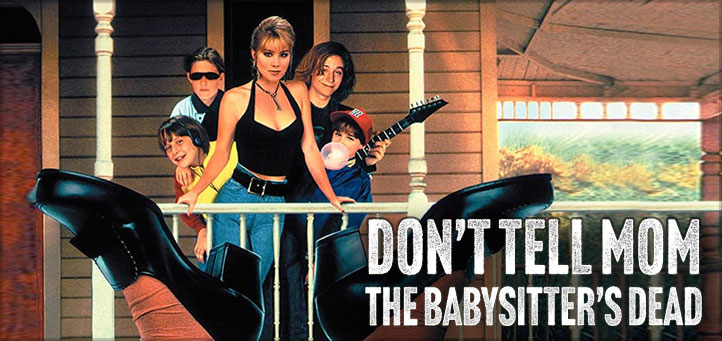

That film hit hard back then. Christina Applegate’s new book, You with the Sad Eyes, surprised me – she called it a failure. Yet for my sister and me, Don’t Tell Mom The Babysitter’s Dead ruled our world. Sitting in the cinema seats, we laughed loud. Later, we kept returning to Blockbuster just to watch it again. Funny bone? Definitely touched. Nothing else ever felt quite the same after.
Teen years hit hard when Sue Ellen, brought to life by Applegate, suddenly must care for her four brothers and sisters – the summer sitter passes away, leaving no backup. Wearing bold makeup and sharp blazers, she pretends to be grown, walking into a business role like she was born for it. Once inside, she handles every challenge that comes, rising without warning. Of course, secrets start piling up fast; pretending never stays clean. This 90s gem mixes office chaos with growing pains, sticking in your mind long after. One phrase echoes most: “I’m right on top of that, Rose!” shouted with perfect timing. Even if everything faded, her quiet strength alone would keep you watching. A small film, full in feeling.
‘Sister Act’ (1992)


Out of nowhere comes a woman who changes everything. Whoopi Goldberg plays Deloris Van Cartier – bold, quick on her feet, yet suddenly trapped by circumstances beyond control. A single moment of seeing too much leads her straight into hiding. The authorities place her behind convent walls, far from the life she knew. Running from danger shifts her path in ways never expected.
Out of nowhere, Deloris Van Cartier sings in lounges but stumbles through early days at the convent. Slowly though, once the sisters begin seeing her for who she is – and she sees them – the story begins breathing. Just as quietly, the choir shifts from flat notes to something electric under her touch, pulling neighbors, strangers, everyone close. In time, Whoopi Goldberg earns every single honor handed to her for how fully she lives inside that role. A real gem from the nineties, this movie brings both heart and humor. Incredible music comes along for the ride.
A follow-up arrived just a year later – Sister Act 2: Back in the Habit hit screens in 1993. Critics weren’t impressed when it first showed up. Still, people have warmed to it through the years.
‘Father of the Bride’ (1991)

Even though this film comes from a 1949 novel shaped by its era, it feels entirely rooted in the ’90s. George Banks, played by Steve Martin, can be tight-fisted and smothering – yet his deep bond with his daughter gives the story its core. Making her first appearance on film, Kimberly Williams steps into the role of Annie Banks just right. Then there’s Diane Keaton, delivering another standout performance, steady and vivid as ever.
This film wraps you up like an old blanket on a cool evening. Watching feels quiet, familiar, almost without effort. Though it dances near heavy emotion, Father of the Bride lands gently every time. While weddings take center stage at first glance, what really grows is the bond between father and daughter. Romance slips into the background, barely noticed.
Worth checking out, the 1990s sequel Father of the Bride Part II brings back familiar faces. A ride to the hospital holds one unforgettable moment – pure gold when it comes to Steve Martin’s comedic timing. That single scene in the car might top every other stunt he’s done since. Laughter hits hard, thanks to how he moves without saying much.
‘Dolores Claiborne’ (1995)


Truth hits hard in Dolores Claiborne – maybe the sharpest version of a Stephen King story ever put on screen. Not one drop of supernatural nonsense here. Instead, what unfolds is raw, quiet fury buried beneath years of silence. Kathy Bates carries the whole weight as the woman named in the title. Beside her, Jennifer Jason Leigh plays Selena, the daughter shaped by secrets too heavy to name. Their scenes together crackle like fire across dry wood. You’ll sit there afterward wondering how awards seasons sometimes miss the obvious. Acting this deep doesn’t need ghosts to feel terrifying. What people do when pushed far enough – that’s where real dread lives. A single look between them says more than most scripts dare write. By the end, you won’t forget the way truth drags itself into daylight.
Dolores Claiborne carries weight no light could lift. Her surrender isn’t weakness – instead, it hums quietly beneath every glance held too long. Where others might fracture, she folds inward, leaving traces that outlast closing credits. Quiet beats roar when words vanish into air. Not many stories grant sorrow room to stretch its limbs; this story refuses to rush what hurts. Where others look away, here eyes stay fixed – on scars, yes, but also moments where sunlight slips through cracked windows.
‘Doc Hollywood’ (1991)


Hot wheels and stethoscopes – strange mix? Michael J. Fox swaps city lights for porch swings in Doc Hollywood. A fast-talking surgeon lands in a sleepy Southern town after a wrong turn. Fate steps in where GPS fails. Purpose creeps up when ego takes a backseat. Small towns breathe differently; he notices too late. Not every hero wears scrubs, some wear flip-flops by July. The script avoids syrup yet warms anyway. You expect punchlines, get quiet moments instead. Laughter lives between silences here.
Big dreams shrink under wide skies. Healing others begins once self-importance leaves the room. Some films shout, this one leans close and whispers. Hard to pin down why it sticks – maybe because it feels real without trying. Life hums differently in Doc Hollywood – a quiet question forms. What matters most to you, really, yet also why then? Right now, when rushing defines days, something soft steps forward. Slowing breath, noticing people – this kind of story fits better today. Welcome it does, without noise.
Starts strong with Michael J. Fox – solid as ever, showing up exactly how you’d hope. Alongside him? Woody Harrelson brings quiet charm, while Julie Warner holds scenes without reaching too hard. Barnard Hughes adds warmth like sunlight through old windows. David Ogden Stiers shapes his part with careful pauses. Frances Sternhagen doesn’t say much – but what she does lands just right. Then there’s Bridget Fonda, slipping into frame with cool ease. Each face fits, no piece missing.
The Man in the Moon 1991

Young Reese Witherspoon slipped into acting through a hushed little story few remember. Down in 1950s Louisiana, time drags for siblings Maureen and Dani. When love stumbles in, hearts crack – then sorrow arrives uninvited. Without hurry, the movie breathes, saying much by barely speaking. Out of nowhere, her presence fills the frame so completely. Every time she shows up, the world around dims without saying a word. Revisiting it recently brought back waves exactly as they once did – the jolt of childhood in the nineties returning full force. Hard patches show their face now and then, weighty ones even, though softened by Dani’s point of view, narrow and near. What sticks is how real each moment seems, worn in well.
The Brady Bunch Movie 1995
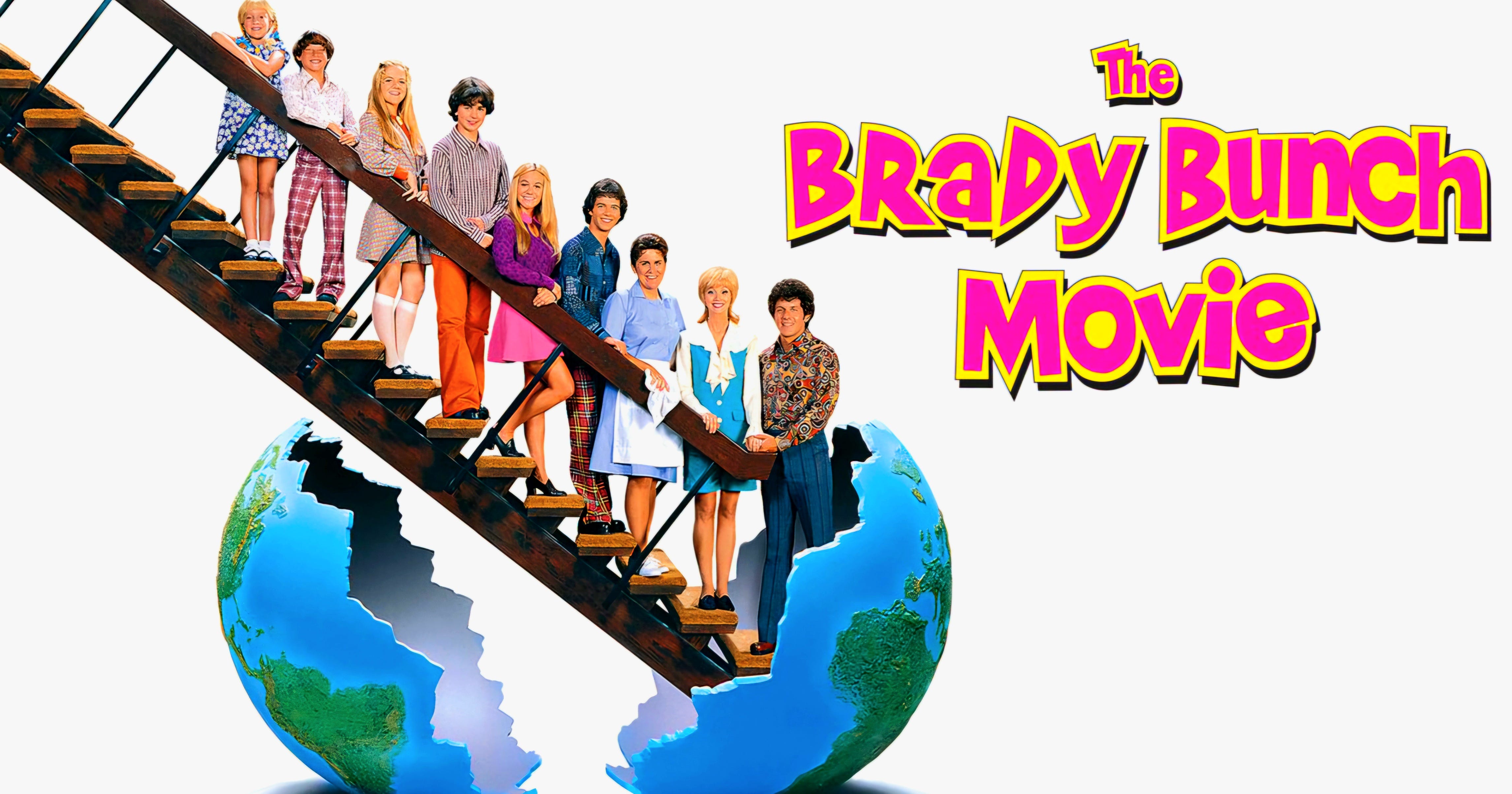

Still around, The Brady Bunch sticks because people find it both warm and genuinely amusing. Not mocking but playful, The Brady Bunch Movie understood something quiet about the heart of the series – affection shaped its satire. Dropped straight out of the 1970s, the family stumbles into the snarky chaos of the ‘90s without changing a thing. From start to finish, the humor holds steady, never slipping.
Still holds up today, this film. Come 2026, while folks try ignoring how tough things have gotten, The Brady Bunch Movie somehow hits closer to home. Here’s one few know: Laurice Elehwany, behind My Girl’s script, helped write it alongside series originator Sherwood Schwartz and Rick Copp.