


Table of Contents
The cost of living has become a central topic for households, workers, and business owners across the country. Over the last few years, everyday expenses including food, rent, transportation, education, and healthcare have increased at a pace that outstrips salary growth for many people. This shift has forced families and individuals to rethink spending habits and adopt smarter financial strategies to maintain stability and peace of mind during uncertain times.
In Philippines, the rising cost of basic necessities has influenced how people manage money and prepare for unexpected expenses. Urban workers feel the impact of higher rent, gas, and transportation. Rural households face increasing prices for agricultural products and supplies. Yet Filipinos remain resilient and resourceful and continue to find adaptive methods to protect their budgets and support their families.
Why the Cost of Living is Increasing
There are several key drivers behind increasing expenses in the country. Although the issue is global, local factors have added pressure at the household level.
Economic Influences
Food and transportation prices have increased because imported goods are more expensive and fuel has become costlier. This affects the price of rice, meat, vegetables, delivery services, and public transportation. Families now allocate a bigger portion of their income toward weekly groceries and commuting.
Housing and Utilities
Rent continues to rise in many cities, especially where tourism and business activity grow. Electricity usage is also more expensive which encourages households to monitor consumption by unplugging appliances, limiting heavy usage times, or investing in energy efficient lighting.
Healthcare and Emergencies
Unexpected medical bills can significantly impact families who do not have dedicated savings. Even with insurance many are still responsible for medication or follow up care which often leads to unplanned expenses that strain budgets.
How Filipinos Are Adapting to the Rising Cost of Living
Filipino families are known for adaptability and collective problem solving. As prices increase, new habits and strategies are emerging.
Smarter Budgeting and Expense Tracking
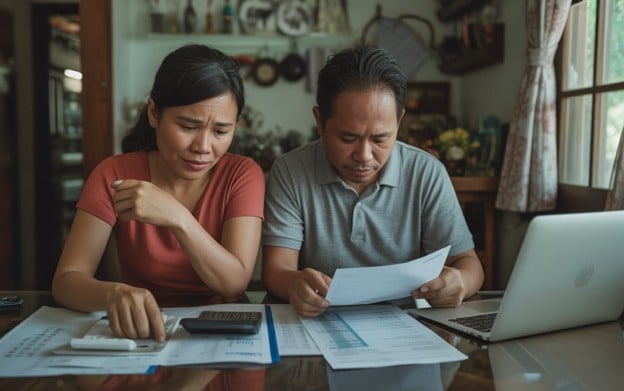
People are becoming more disciplined by using budgeting apps, maintaining monthly spreadsheets, or writing down expenses to stay within limits. Families categorize spending and discuss priorities openly to make better decisions.
Exploring Side Income Opportunities
Multiple income sources are increasingly common. Examples include
- Online freelance projects
- Home baking and local food delivery
- Remote customer support
- Online tutoring and digital services
- Reselling products online
This approach helps families maintain a cushion for emergencies or rising prices.
Digital Financial Solutions
Technology is changing the way people borrow and repay money. Online banking apps, e wallets, and digital loan platforms allow users to manage finances more efficiently. Many individuals also explore short term financial services when facing time sensitive expenses because traditional banking may take longer or require more documentation.
Real Examples of Financial Adaptation
A family may have children with enrollment fees due at the beginning of the school year while income arrives later in the season. A contractor may face delayed payment due to project extensions while bills continue. A ride hailing driver may need urgent vehicle maintenance to continue working. These situations highlight that sometimes the problem is timing not financial irresponsibility.
This is where online financial solutions have become part of modern planning. People today are borrowing more strategically and focusing on short term needs with clear repayment plans.
The Role of Digital Lending Platforms
Online financing options are gaining attention for providing quick access to cash in situations where emergency funds are limited. Users expect clarity in terms, simple applications, quick responses, and repayment flexibility.
Consumers today look for financial tools that offer
- Clear information before signing
- Options available without physical processing
- Multiple repayment channels
- Data security and support
- Fair access regardless of employment type
Short term solutions can help prevent late fees, penalties, or missed opportunities especially for people with irregular income streams.
Smart Money Habits Combined With Responsible Borrowing
To manage rising cost pressures, experts recommend a combination of practical habits and responsible short term financial planning. These include
- Track spending weekly instead of monthly
- Save small but consistent amounts
- Set family agreements for shared budgeting
- Compare prices before buying
- Plan meals to reduce food waste
- Borrow only within the ability to repay
Building financial stability is a long game that involves mindset, discipline, and access to suitable financial tools when needed.
Looking Toward the Future
The rising cost of living is expected to remain a challenge but it is pushing households to evolve. Financial literacy discussions are becoming more common. Schools are including basic money management lessons. Families discuss saving goals more openly. These improvements support a stronger and more prepared financial culture.
The combination of technology, digital banking, and informed decision making shows how resilience is expanding beyond tradition. Adapting to rising costs is not only about cutting back. It is about planning, communicating, learning, and applying better strategies for long term improvement.
As these adjustments continue, people are demonstrating that solutions exist even when pressure rises. Families today are proving that stability can be built through shared responsibility, disciplined planning, and the support of digital financial tools that meet real life needs.
In Philippines, adapting to the rising cost of living reflects not struggle but strength. With awareness, resources, and smart planning, individuals and families are navigating financial challenges with more confidence and control.