


Table of Contents
The fantasy of experiencing a casino from home has remained in the realm of science fiction for numerous years. Virtual reality (VR) technology developments are now bringing this futuristic concept within reach for modern consumers. Online gambling is entering a new era through VR platforms that unite gaming functions with social elements and the drive of betting excitement.
How does it work?
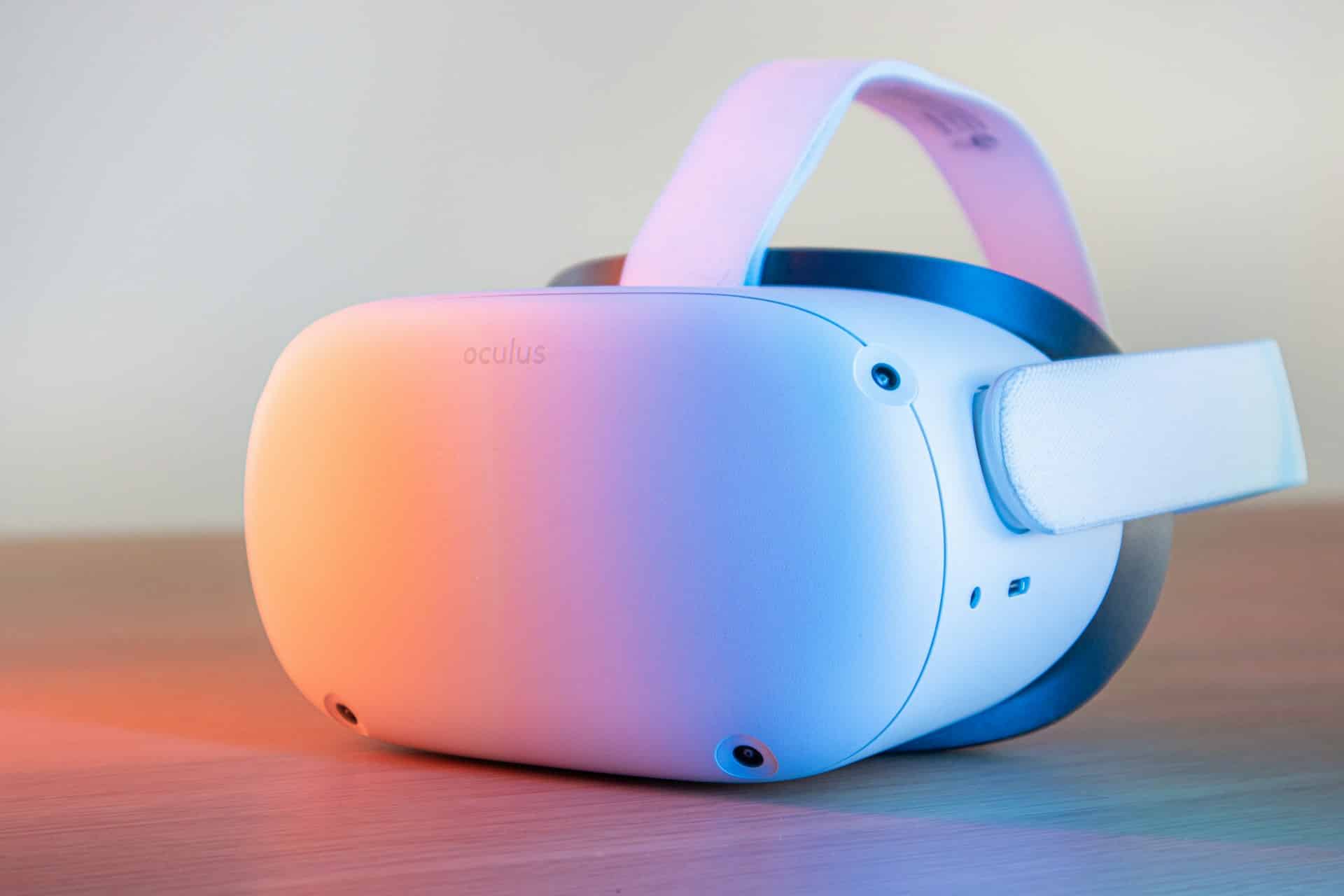
Using a VR headset enables you to transport directly into an elegant casino lobby with chandeliers and real-life dealers. The space features marble flooring while the sounds of distant slot machines blend with people socializing at a poker table in the corner. Users can select a table, seat, and start conversations with people from worldwide locations while experiencing blackjack gameplay that mimics the authenticity of Las Vegas casinos. This is not a trailer for a futuristic movie. It is the current direction in which VR casino technology is moving.
Virtual reality casinos made their first appearance several years ago but the technology from that time was inferior and graphics were restricted while the player community remained small. Now the market has not only witnessed improved VR headset affordability but also enhanced processing capabilities which has led software developers to reach new horizons.
VR casinos deliver superior social features compared to traditional online gambling platforms. Most standard online gambling sites create a transactional feeling during user interactions. Virtual Reality enables users to restore their human connections through the experience. Through nonverbal cues you can understand body language and observe how people react while potentially establishing new friendships. VR platforms are successfully duplicating the thrilling elements that make brick-and-mortar casinos appealing to their customers.
VR is All About Tech Future
Technological developers focus on advancing these virtual environments for better immersion. Haptic feedback gloves represent a technology which would permit players to experience the actual weight of poker chips through touch. The spatial audio system enables closer voice perception of nearby players compared to distant opponents. The implementation of eye-tracking technology would allow players to perform discreet in-game movements such as maintaining contact with their opponents. This complete array of features produces an interactive and realistic gaming experience.
The market readiness for large-scale VR casino adoption represents the main uncertainty in the industry. Virtual Reality headset usage has expanded but it remains well below what could be considered widespread adoption. Most online gamblers continue to utilize smartphones and computers for their betting needs because these devices offer greater convenience and require no initial hardware investments. For VR casinos to succeed they need to establish strong reasons that motivate players to transition from their current platforms.
The online gambling industry successfully implements entry-level promotions to encourage new customers while VR applications could adopt this model for future implementation. Online casinos give new players access to instant casino 1$ deposit promotions that let them begin playing with one dollar and gain immediate rewards such as bonus spins and free chips. The program creates a favorable environment for beginners to experience new things because it reduces financial exposure and provides an opportunity to try without significant risk. VR casinos would potentially enhance this method through monetary rewards combined with access to new virtual gaming environments that require minimal investment.
The integration of gaming elements into VR casinos could lead to increased adoption because they would attract gamers who already enjoy immersive experiences in mainstream gaming titles like Fortnite. The combination of engaging gameplay with real money wagering potential makes VR casinos capable of drawing potential new customers who have not previously considered gambling.
A New Field of Regulation
The implementation of this new format will require adaptation from regulators. Traditional online casinos already present complex challenges when it comes to verifying player identities while practicing responsible gambling but VR spaces increase these challenges to a greater extent. The problem arises in monitoring problem gambling behavior because players maintain customizable avatars. The system needs to prevent children from accessing this environment while also ensuring adult access to the space.
The technical infrastructure presents itself as the next main concern. The operation of VR casinos requires advanced graphics technology alongside real-time interactive features and minimal delays to produce believable results. The operation of VR casinos requires players to maintain dependable internet connections while using hardware with moderate processing capabilities. The requirements are becoming standard practice worldwide but they still act as an obstacle for numerous regions.
Towards Industry Dominance ?
The future potential of VR casinos remains substantial despite current obstacles. The technology offers a natural advancement of digital online casinos by providing real-world casino environments through virtual reality platforms. Online casinos transformed the industry during the late 1990s while VR technology has the ability to initiate a brand new revolution in the industry.
Virtual reality gaming platforms will develop hybrid features which let players transition between smartphone 2D interfaces and complete VR experiences using headsets within the next several years. Special events together with celebrity appearances and tournaments will exclusively take place in VR platforms which will draw both players and spectators.
VR casinos have transitioned from conceptual status to become an existing reality that will transform our online betting perspectives. The technology exists in the present day while expanding rapidly toward transforming how we understand online gambling. The remaining doubt centers on whether players will embrace virtual world experiences as fast as with other emerging technologies.
Image Credit: PHOTO