


Table of Contents
Busy schedules. Quick snacks. Late-night takeaways because cooking feels like too much effort. It becomes normal to run on caffeine and convenience. You tell yourself that you’ll get off these bad habits eventually. But that day never seems to come. “Later” keeps on moving. Energy dips feel routine for you. Aches feel expected every day.
So in this post, we’re looking at why taking nutrition seriously might be one of the simplest ways to build a longer, stronger life.
Why most of us ignore the basics of nutrition
Let’s be honest. Nutrition advice can feel overwhelming at times. One week carbs are the enemy. The next week it’s fat. Then someone says you need a complicated meal plan that looks nothing like your real life. So you default to what’s easy. Grab something quick. Tell yourself to deal with it. Assume your body will just cope.
The problem is, your body does cope. Until it doesn’t. Low energy, poor sleep, brain fog, mood swings. You blame stress. Age. Work. Rarely food. Yet the foundation of how you feel every day often comes back to what’s on your plate.
Food is fuel, not just comforting
Food is emotional. It’s tied to comfort, celebration, routine. But it’s also fuel. And the best foods and vitamins for a healthy body are often the ones that don’t come in fancy packaging. Whole foods. Lean proteins. Vegetables. Fruit. Fibre. Not glamorous. Not trending. Just steady.
When you eat in a way that supports your body, things start to level out. Energy feels more stable. Cravings aren’t as intense. You don’t crash mid-afternoon and wonder why you can’t focus.
Small changes beat extreme short-term diets
Big, restrictive plans sound motivating. You commit hard for a week or two. Then the cracks start to show.
Instead of cutting everything you enjoy, try mixing in some low-calorie recipes throughout the week. Cook a lighter dinner for a few nights. Swap one sugary snack for fruit. Add an extra serving of vegetables to a meal you already like. Small adjustments feel manageable. They don’t make you miserable, and they don’t require you to overhaul your entire personality. And because they’re realistic, they last.
Where supplements can fit in to your lifestyle
Food should do most of the work. But sometimes a bit of extra support makes sense. You might consider looking into something like an NMN supplement or other vitamins and minerals if your diet lacks certain nutrients or if you’re aiming to support specific goals.
The key is in your mindset. Supplements aren’t magic fixes. They don’t cancel out poor habits. They work best alongside decent sleep, regular movement, and balanced meals. Think of them as support beams, not the entire structure. They help reinforce what you’re already building through daily choices.
Thinking long term instead of short term
It’s tempting to focus on quick results. Lose weight fast. Get leaner by summer. See instant change. But long-term health doesn’t work like that.
When you take nutrition seriously, you’re thinking about how you want to feel in ten, twenty, thirty years. Stronger joints. Steadier energy. A mind that stays sharp. You don’t need to obsess over every bite. You don’t need to track every gram. You just need to stop brushing it off.
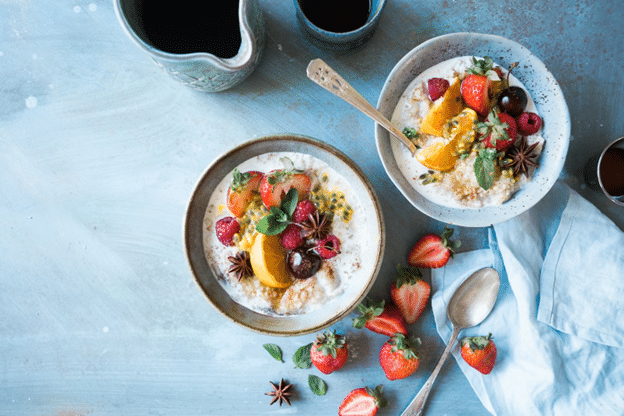
Featured image Source: Unsplash (CC0)