


Table of Contents
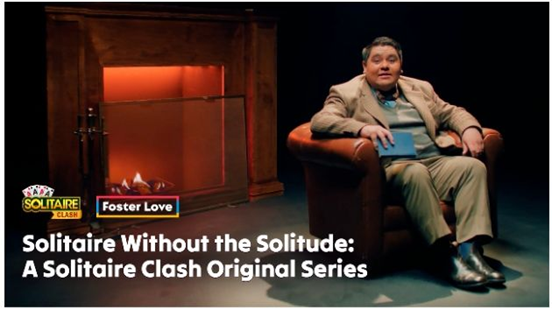
Solitaire has long been synonymous with solitude. For much of its history, the card game was a quiet, solitary pursuit, with just a single deck of cards and one player, creating an atmosphere of calm, stillness, and introspection. People typically turned to Solitaire when seeking a moment of alone time, playing it in silence as a way to unwind and disconnect. Over the years, this solitary pastime gained popularity as a relaxing escape from the world’s hustle and bustle. However, with the rise of technology and social gaming, Solitaire has undergone a remarkable transformation — from a game played in isolation to an exciting, fast-paced, and social experience. This reinvention is captured in the new three-episode mockumentary-style video series, Solitaire Without the Solitude, hosted by creator Leo González.
Transforming Solitaire Into a Shared Experience
The series explores how Solitaire has evolved from a quiet solo activity to a dynamic, engaging game that brings players together. Solitaire Without the Solitude: A Solitaire Clash Original Series takes viewers on a humorous and exaggerated journey through the fictionalized history of Solitaire, all while showcasing the game’s present-day transformation. Leo González plays the role of an intense narrator, guiding the audience through this whimsical retelling. The series uses humor, exaggeration, and cultural references to show that Solitaire didn’t disappear into the past; instead, it evolved with the times, adapting to modern sensibilities.
At the heart of this transformation is Solitaire Clash, a game that reimagines the traditional Solitaire experience by adding competitive elements, real-time interactions, and a community-driven approach. Unlike the quiet and solitary game of the past, Solitaire Clash allows players to connect with others, share experiences, and engage in friendly competition, all while maintaining the core mechanics that made Solitaire a timeless classic.
The Role of Leo González in the Campaign
Leo González is more than just the host of Solitaire Without the Solitude. His unique approach to storytelling, which often treats everyday moments with documentary-level gravity, brings an added layer of authenticity to the series. Known for his ability to blend humor and sincerity, González offers a fresh perspective on Solitaire’s evolution, reflecting on the game’s shift from solitary play to social interaction.
Leo’s personal connection to the themes of care, empathy, and community comes from his own experiences in the foster care system, which greatly influenced both his involvement in the project and the campaign’s direction. His background in foster care helped establish a partnership between AviaGames, the creators of Solitaire Clash, and Foster Love, an organization dedicated to supporting foster youth and families. This collaboration led to the Solitaire Clash Christmas Wonderland Wishes Charity Event, which aimed to support those in the foster care system during the holiday season.
This initiative went beyond simply promoting a game; it focused on creating meaningful real-world impact by fostering awareness, care, and community. The values behind the event naturally aligned with the themes of the series, further reinforcing the message that Solitaire can be more than just a game — it can be a force for good in the world.
A Mockumentary-Style Approach to Solitaire’s Evolution
Directed by Amir Farhang, an Iranian-American filmmaker known for his narrative-driven storytelling, the series adopts a mockumentary style that adds a playful yet insightful twist to the concept of Solitaire. The first episode humorously suggests that Solitaire originated in an 18th-century French prison, with a dramatic flair that plays on historical absurdities. The second episode takes a satirical look at the 1990s office environment, where Solitaire became a subtle symbol of burnout and passive resistance. In the final episode, the game finds its place at a tense family holiday dinner, offering players a quiet escape when conversations start to stall.
Throughout all three episodes, one theme remains constant: Solitaire’s refusal to stay a solitary activity. The game, once defined by isolation, has now become a way to connect with others. This shift is intentional, as the series emphasizes that Solitaire Clash is not reinventing the game, but instead reimagining its social potential. The game’s evolution reflects the changing nature of modern communication, where people are looking for ways to stay connected — even during moments of awkward silence or discomfort.
A New Take on a Classic Game
Solitaire Without the Solitude challenges the long-held assumption that Solitaire is meant to be a solitary experience. As filmmaker Amir Farhang notes, Solitaire was traditionally played alone, but this new interpretation shows that it can be both solitary and interactive. The series invites audiences to see Solitaire in a new light, as a game that brings people together rather than keeping them apart. Whether viewers interpret the series as satire, social commentary, or pure entertainment, the underlying message is clear: Solitaire has always been about moments of pause and reflection, but now, it’s about shared experiences, too.
So, take a seat, grab a deck of cards, and watch Solitaire Without the Solitude from the very beginning. You’ll soon see how the game has evolved — and how you can be part of this new chapter in Solitaire’s history.