

Table of Contents
This is something that most of us would agree is important, and yet it can often be challenging to really make it work out. However, if you put your mind to it and stick with it, you should find that you are able to make your home considerably more sustainable to run. Doing so will reduce your impact on the environment, of course, but it will also improve your finances and ensure that you are going to lead a better life. Let’s look at some of the things you will want to consider here.
Understand Where Your Energy Goes
Before upgrading anything, it helps to understand how your home currently uses energy. In the UK, heating accounts for the largest share of household energy use, followed by hot water, appliances and lighting. If you start with heating, you usually see the biggest return on effort. Simple observation can reveal a lot. Do certain rooms feel colder than others? Do you notice drafts near windows or doors? Does your boiler run constantly in winter? A home energy assessment, whether professional or DIY, gives you clarity. Sustainability begins with awareness.
Insulation
Insulation rarely excites anyone, but it is the backbone of a sustainable home. Heat lost through an uninsulated loft or poorly sealed walls is money drifting into the sky. Loft insulation is often the most cost-effective improvement. Cavity wall insulation, if your property is suitable, can dramatically reduce heat loss. Even small measures like draught-proofing around doors, windows and floorboards can noticeably improve comfort. In older UK homes, particularly Victorian or Edwardian terraces, solid walls can make insulation more complex. In those cases, careful consideration is needed to avoid moisture issues. Sustainable choices should always respect the building’s structure rather than forcing modern solutions onto it.
Renewable Energy
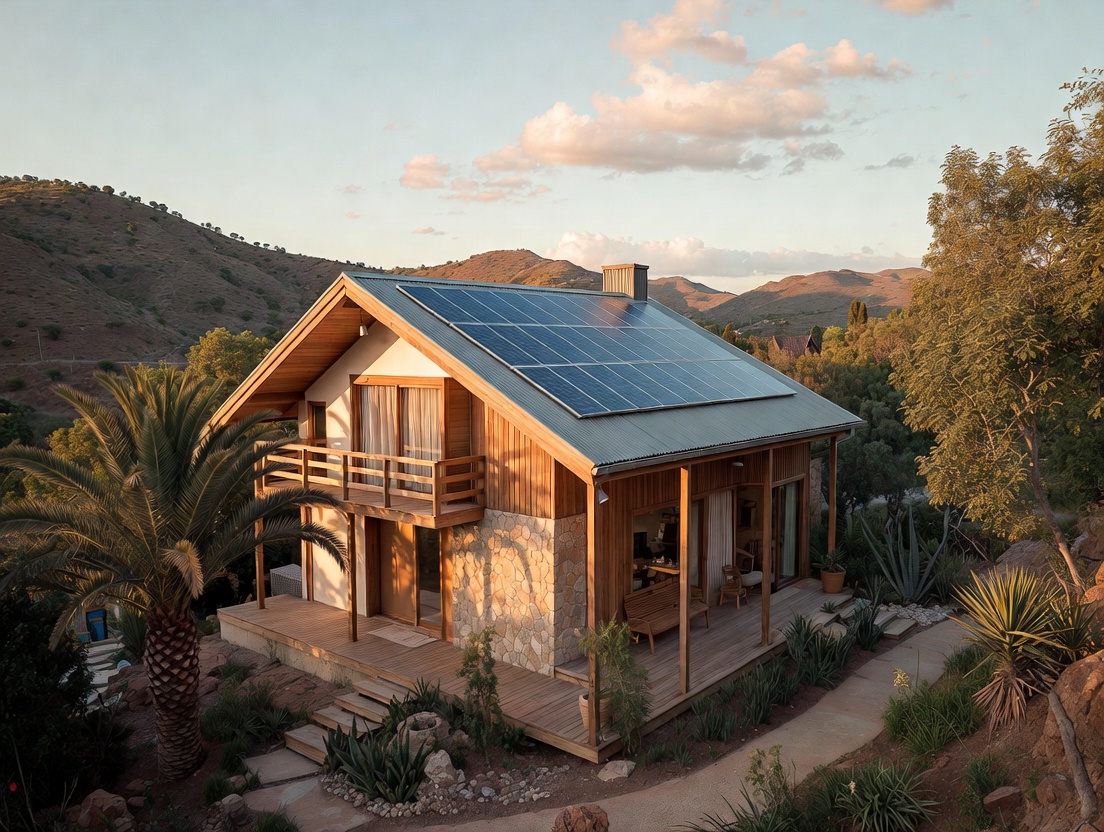
Solar panels have moved from niche to mainstream over the past decade, in part thanks to improvements in electroluminescence inspection. Although installation costs remain significant, long-term savings and energy independence are attractive. Even in the UK’s famously grey climate, solar panels can generate meaningful electricity across the year. Battery storage systems allow you to store excess solar power for evening use, reducing reliance on the grid. While not suitable for every property, they represent a step toward resilience, especially during periods of price volatility.
Water Efficiency
Water sustainability is often overlooked in the UK because rainfall is frequent, but supply pressures are increasing. Efficient showerheads, dual-flush toilets and fixing small leaks can save thousands of litres per year. Collecting rainwater for garden use reduces strain on treated water supplies. If you have outdoor space, even a simple water butt can make a difference. In addition, planting native species reduces the need for heavy watering during dry spells. Sustainable water use is less about restriction and more about intelligent design. You are not depriving yourself; you are simply preventing waste.