


Table of Contents
Managing a large organization often means overseeing dozens of locations spread across different states or regions. When each branch finds its own local print shop, the visual identity begins to shift. A logo that looks bright red in one city might appear orange elsewhere.
These inconsistencies create a sense of fragmentation that can confuse customers and weaken the professional image. It is difficult to maintain standards when ten different vendors use various equipment. Without a unified strategy, the brand drifts away from its original intent and loses its edge.
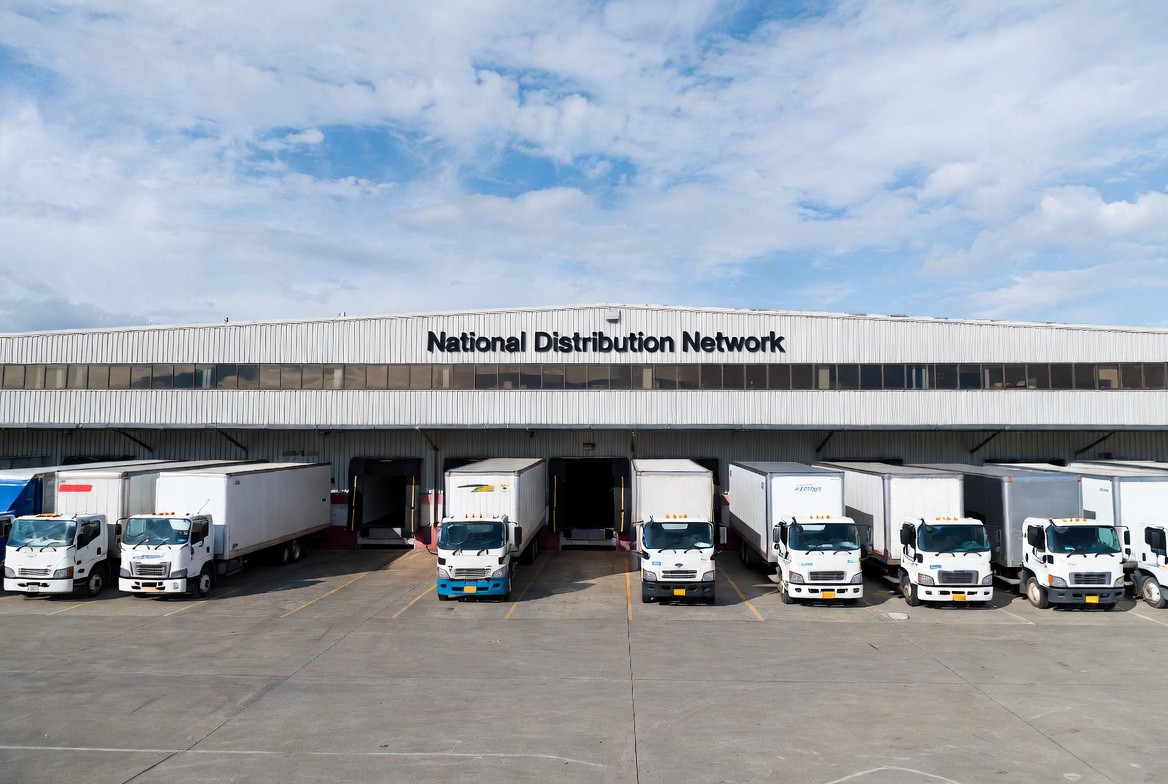
Solving this issue requires a move toward a centralized model that handles production and delivery. Professional campaign fulfillment services ensure that every piece of marketing material meets the same specifications before leaving the warehouse. This level of coordination is the only way to guarantee a brand looks identical.
Standardizing Color Profiles Across Platforms
Color is one of the most immediate ways a person recognizes a brand, yet it is difficult to keep consistent. Different printing methods like digital inkjet and traditional screen printing interpret data in various ways. If a specific blue is not calibrated, it looks different on banners.
Utilizing the Pantone Matching System is the industry standard for bridging the gap between production environments. By assigning a universal code to every brand color, organizations ensure their visual assets remain true to the original design. This eliminates the guesswork that happens during local eye-matching.
Maintaining these strict profiles across all platforms builds a sense of continuity that customers associate with reliability. It shows that the organization pays attention to the small details, which reflects well on primary services. Consistent color is a foundational element of any successful national branding strategy.
Managing the Centralized Asset Library
Outdated logos and low-resolution images are the enemies of a professional visual identity. In a decentralized system, an employee might pull an old file from a hard drive or download a grainy thumbnail. This results in blurry graphics and incorrect fonts that look amateurish and disorganized.
A centralized asset library serves as the single source of truth for every authorized file and design template. By controlling access to these digital assets, headquarters ensures that only the current and high-quality versions are used. This prevents the accidental use of retired taglines or logos.
Organizing these files so local managers can access them while maintaining version control is vital. It simplifies the ordering process and removes the design burden from people focused on daily operations. A clean and updated library is the backbone of a modern and efficient distribution network.
Executing Strict Quality Control Audits
Consistency goes beyond colors and fonts; it includes the physical materials used for every sign. One vendor might use cheap plastic that warps in the sun, while another uses a heavy-duty composite. This variation in material quality suggests a lack of professional oversight and care.
Implementing a rigorous audit process ensures that every item produced meets a specific set of durability and finish standards. This involves checking everything from the adhesive strength on decals to the grommet placement. When every location receives the same product, the entire network projects professional stability.
Having a dedicated team to oversee these quality checks prevents faulty or substandard items from reaching the field. It is much easier to catch a mistake at a central facility than it is to fix it later. High standards in manufacturing lead to an enduring presence.
Streamlining Procurement with One Point of Contact
Navigating the logistics of a national rollout is a massive undertaking that can quickly become a nightmare. When a marketing director communicates with dozens of different vendors, the risk of a breakdown increases. This often leads to missed deadlines and incorrect orders that stall company initiatives.
Consolidating the entire process through a single point of contact simplifies the workflow and reduces the administrative burden on the staff. This team acts as the bridge between the design phase and the final delivery. It allows for better tracking of shipments and more accurate budgeting.
Efficiency in procurement also leads to significant cost savings through bulk purchasing and reduced shipping complications. Instead of paying multiple setup fees, the organization benefits from a streamlined production cycle that maximizes every dollar. A single partner makes the complex task of national distribution feel manageable.
Building Trust Through Visual Consistency
The ultimate goal of maintaining brand integrity is to foster a sense of trust and recognition with the public. When a customer sees the same clean logo at every location, it reinforces the idea that the company is stable. Visual harmony is a silent communicator of discipline.
A unified look also makes it much easier to launch new products or services across a wide geographic area. Because the branding infrastructure is already in place, new assets can be rolled out quickly without any fear of variation. This agility is a major competitive advantage today.
Investing in a coordinated approach to visual assets is a commitment to the long-term health of the brand. It protects the hard work put into the original design and ensures the message remains clear. A strong visual presence is the hallmark of a growing organization.