


Table of Contents
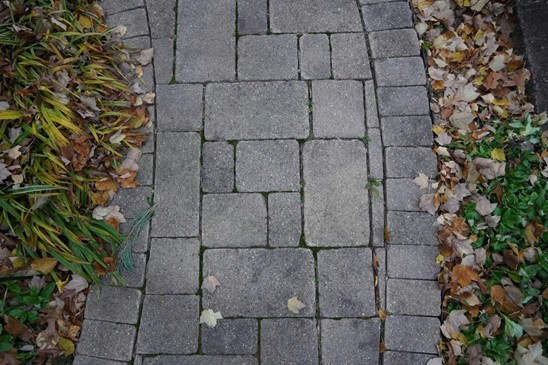
Image Source: Caleb Wright
Some of the richest memories are made through traveling, but it often entails more walking than people bargain for.
If you already struggle with foot and heel pain, then you may be reticent about an upcoming travel adventure. You’re not alone. So many travelers consider the “discomfort factor” when planning an itinerary, even avoiding certain attractions, fearing their pain will overshadow the experience.
If you’re already mapping out places to sit down, this guide is for you. Learn more about the right footwear, navigation techniques, and orthotics to traverse uneven terrain and cobblestone paths with comfort.
What Kinds of Footwear Should You Pack?
A great deal of your travel comfort depends on footwear. Long travel days can keep you on your feet for hours at a time, exposing your feet and joints to repetitive impact on challenging walking surfaces like:
- Cobblestone
- Uneven concrete
- Rustic trails
- Stairs
Choose walking shoes that are supportive, lightweight, and breathable, with adequate cushioning and airflow. Make sure to break them in before your trip—brand-new shoes can easily cause blisters during long walks. If you need to purchase new shoes, allow a few weeks to let them soften and mold to your natural foot shape.
For travelers with foot conditions such as flat feet, overpronation, plantar fasciitis, or other common concerns, extra support is essential to reduce fatigue and discomfort often felt in the feet, shins, and knees. Every condition requires a different approach, so if you are suffering from flat feet, one effective solution is using custom orthotics designed to support flat arches, which provide structural lift and proper arch support.
Pair these with shoes that have a firm heel counter and a stable midfoot design to keep your step comfortable and your feet pain-free throughout your journey.
What Are the Benefits of Compression Socks?
Breaking in shoes is a valuable reminder that planning for comfort starts well before the trip.
Wearing compression socks on the plane can provide much-needed blood circulation to your feet. Long plane flights can affect circulation due to:
- High altitudes
- Extended periods of inactivity
- Sitting
It’s not uncommon to experience discomfort in your feet, ankles, and legs during and after a flight. Wearing compression socks can help reduce aching, swelling, and fatigue in your feet, so that you can start the following day off strong.
Remember to squeeze in foot exercises like simple foot pumps and ankle circles while seated. When it’s safe to do so, you can stand in the aisle to perform periodic foot exercises and leg stretches.
How to Navigate Uneven Surfaces
Your first travel day may start on a historic London cobblestone path or a nature trail in Sweden. Make sure your shoes have thick, flexible soles with good traction on these days. Jagged surfaces can create stabbing sensations in the foot without proper footwear.
Are you going out for the night?
Never wear high heels on cobblestones, even for a night out in a historic city. You run the risk of ankle sprains. Opt for flat dress shoes instead.
How you walk also matters.
Walk lightly on unstable ground, shifting your weight toward the ball of your foot. Avoid leading with the heel of your foot or walking heavily on your bottom heel; you could rupture your plantar fascia that way.
If you’re going on a mountain trekking adventure, you’re going to need trekking poles for stability. They also protect your knees by distributing about a quarter of the weight to your upper body.
Make Lasting Memories Without the Pain
You’re not going to let foot pain shape your travel memories.
Break in your walking shoes, and talk to a specialist about orthotics you may need. Pack compression socks to maintain healthy blood flow to your feet. Practice proper walking techniques to prevent pain, and use trekking poles when you’re feeling really adventurous.
Now, book the adventure of your dreams without hesitation!