


Table of Contents
The Side of Aviation Most People Forget
When people think about aviation, they usually imagine long international flights. Huge airports. Aircraft flying between global capitals. But aviation also works on a much smaller scale. Quietly, almost unnoticed.
Regional connectivity connects towns and smaller cities to larger transportation hubs. It does not always attract headlines, yet its impact can be surprisingly large. Without those shorter routes, many communities would feel far more isolated than they do today.
When Distance Becomes a Problem
Picture a town that sits several hours from the nearest major city. Driving there might take half a day. Train routes may be slow or complicated. For business travellers or tourists, that distance can become a real obstacle.
Regional air mobility can completely reshape how accessible a place feels. Suddenly, a remote town becomes somewhere people can easily reach. And that shift opens the door to new possibilities.
Connectivity Changes Local Economies
When a region becomes more accessible, businesses tend to notice. Investors and entrepreneurs explore opportunities. Even small manufacturers benefit when moving goods becomes faster and more predictable.
Better transportation often leads to stronger economic activity. A regional airport might look modest compared with a large international hub. But its influence extends far beyond the runway.
Tourism Often Follows the Same Path
Many beautiful destinations are simply difficult to reach. Long drives and complicated connections can discourage visitors. Regional flights solve that problem. Travelers can land at a major airport and then take a short flight to the final destination. Once that option exists, tourism often grows quickly.
Aircraft Built for These Routes
Regional routes require aircraft capable of operating efficiently on shorter flights. Turboprop aircraft are widely used for this reason. They perform well on short sectors and can land on smaller runways. That flexibility matters.
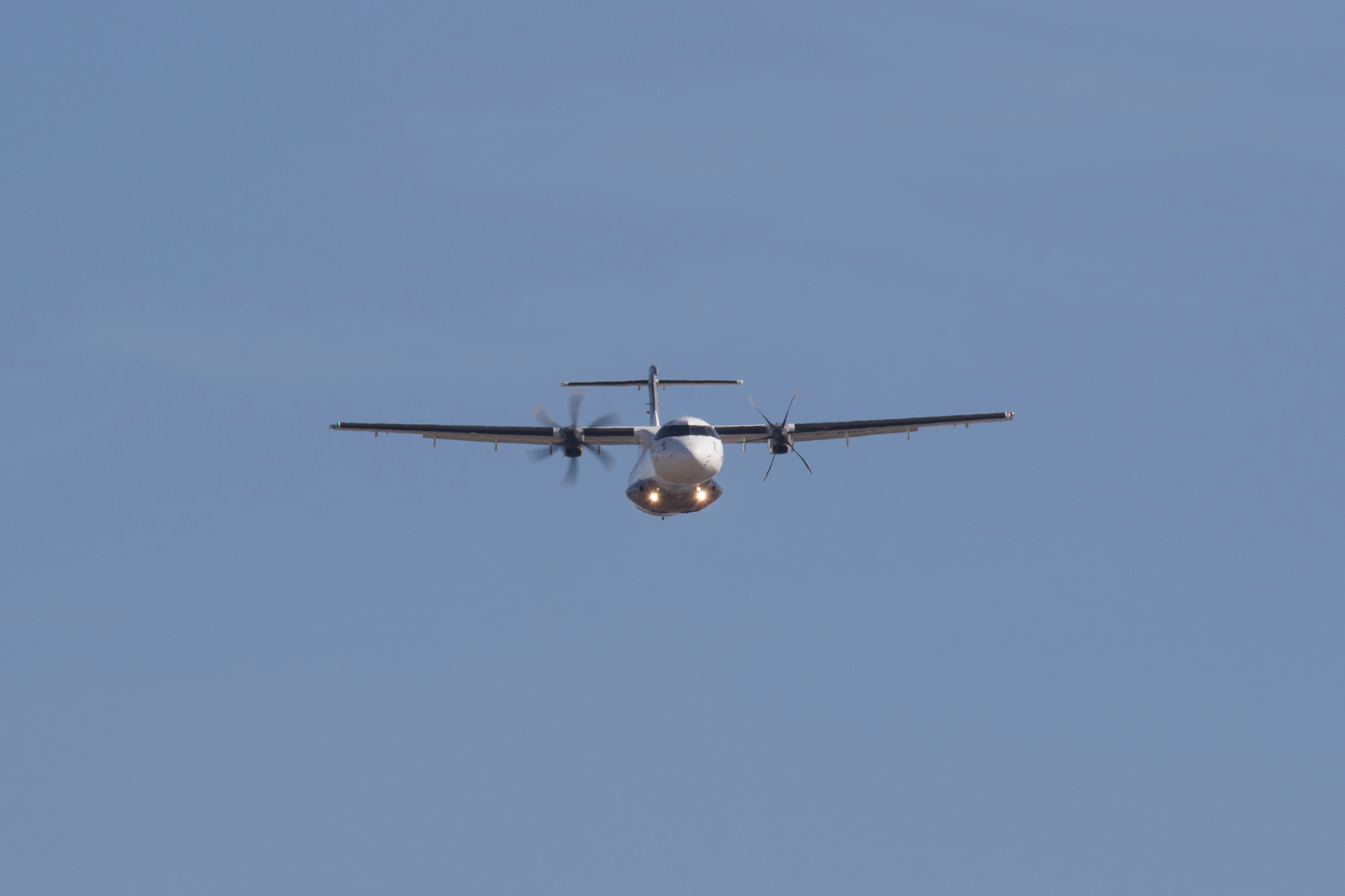
Many regional airports simply do not have the infrastructure needed for larger jet aircraft. Turboprops allow airlines to serve those airports without major upgrades. Aircraft such as the ATR 42-600 and ATR 72-600 are common examples. These planes carry up to 98 passengers and operate efficiently across short distances. They are well-suited to mountainous areas, island regions, and smaller regional airfields.
Efficiency Keeps Routes Operating
Regional routes only work if airlines can operate them sustainably. Turboprop aircraft help make that possible. On shorter flights, they often consume less fuel than comparable jets. Lower fuel use means lower operating costs. This helps airlines maintain regular service even when passenger numbers vary.
Growing Attention to Regional Air Networks
Governments are paying closer attention to regional connectivity. In many countries, new programs encourage airlines to launch routes between smaller cities.
This improves mobility and supports economic activity outside major urban centres. Large countries, especially those with complicated geography, benefit greatly from stronger regional air networks. Roads and railways cannot always reach every location efficiently.
Turning Distance Into Opportunity
Regional flights connect smaller communities with national and international transportation networks. They reduce the sense of distance that can limit opportunity. Once a place becomes easier to reach, new possibilities usually follow.