


Venice in May is unlike anywhere else on earth. The 61st International Art Exhibition of La Biennale di Venezia is in full swing through November, and across 99 national pavilions, the Giardini, the Arsenale, and dozens of historic venues scattered through the city, an estimated half-billion dollars’ worth of conversations, relationships, and acquisitions will take place.
For the ultra-high-net-worth collectors at the centre of it all, how they arrive, and how their treasured acquisitions travel home, is as deliberate as the works they select to add to their collections.
The luxury art market: A resilient investable asset class
Before understanding why private jets have become inseparable from serious art acquisition, it helps to understand the scale and seriousness of the market itself.
According to the Art Basel and UBS Global Art Market Report 2025, global art market sales reached an estimated $57.5 billion in 2024. And, while that represented a 12% year-on-year recalibration following post-pandemic highs, the number of transactions actually grew by 3% to 40.5 million, signalling a market broadening rather than contracting. Crucially, private sales through auction houses surged 14%, particularly at the high end, suggesting that the wealthiest collectors are simply moving their activity away from public auction rooms and into more discreet channels.
The Deloitte Art & Finance Report 2025 puts the longer arc in sharper focus: art and collectable wealth held by UHNWIs grew from $2.17 trillion in 2022 to $2.56 trillion in 2024, and is projected to reach approximately $3.47 trillion by 2030.
Why are the world’s wealthiest pouring capital into art? Three reasons consistently emerge. First, diversification: in a climate of equity volatility and geopolitical uncertainty, tangible assets with low correlation to financial markets offer genuine portfolio ballast.
Second, legacy: unlike equities or bonds, a great work of art carries cultural, generational, and identity value that no balance sheet can fully capture. And finally, access: the art world’s most significant transactions happen in rooms, at previews, and over dinners that money alone cannot buy, but a serious collecting practice can.
As the Deloitte report notes, while passion and investment still drive 59% of collectors, purely cultural and identity-driven motivations have reached their highest recorded levels, reflecting a shift toward collecting as a statement of who you are, not just what you own.
Art acquisition private jet: The luxury art transport process
Buying a luxury piece of art is just one step in the process that needs to be considered. Getting it to its final destination, be that a private residence, luxury yacht, or dedicated storage, requires careful planning.
The Biennale’s preview days are the most commercially significant moments on the collecting calendar and are fluid, relationship-driven, and entirely incompatible with the rigid timetables of commercial aviation.
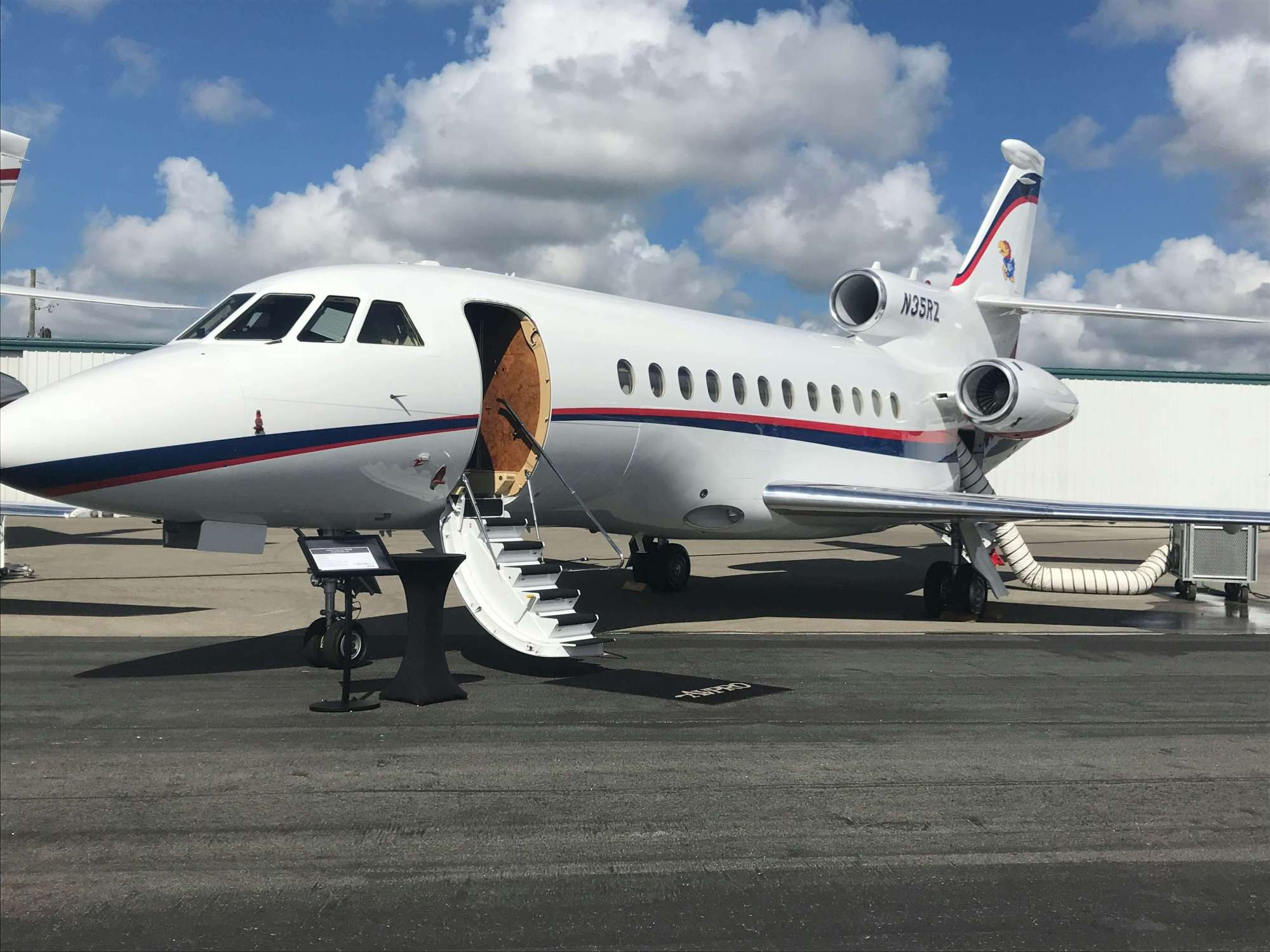
A private jet for collectors solves this, providing seamless art logistics globally.
However, the flight is only half the equation. Once a significant work has been acquired, whether at the Biennale, at a parallel fair, or in a private collector’s palazzo, the logistics of moving it become extraordinarily complex.
Discreet art shipping at this level is a discipline unto itself. Temperature and humidity control, bespoke crating to museum standards, customs navigation across jurisdictions, insurance at full replacement value, and the avoidance of any public record of movement are all non-negotiable requirements.
A seven-figure canvas moved carelessly through commercial freight is not merely a financial risk; it is a reputational one. At the highest level of the market, art logistics firms work hand-in-glove with private aviation operators to ensure that a work acquired on Tuesday morning in Venice can be hanging in a home in Geneva, London, or New York by Thursday evening, with full provenance documentation, climate-controlled transit, and zero public exposure.
Some collectors go further, commissioning purpose-fitted private aircraft configurations that allow larger works to travel in the cabin itself, eliminating the hold entirely, and with it, the risk of mishandling, delay, or temperature fluctuation.
The art world has always understood that the experience of collecting is inseparable from the pleasure of ownership, and that the provenance of how a work was found, negotiated, and acquired becomes part of the work’s story. Private aviation is now embedded in that story.
Whether you’re planning your first Biennale visit or coordinating the transport of a significant acquisition, art world travel company SHY Aviation specialises in providing private jets for art collectors, so the only thing you need to focus on is finding your next piece of art.