


Table of Contents
Tiles hold up well, until they don’t. It usually starts with a faint dullness or a stain that refuses to lift. That’s the point where most people realise the surface wasn’t the issue. The protection was. A good tile sealer should sit between daily life and the material underneath, but it doesn’t last forever. Knowing when to step in again is less about guesswork and more about paying attention.
What That Protective Layer Actually Does
A sealed surface buys you time, spills sit on top a little longer, and dirt doesn’t grip as easily. Grout, which is far more vulnerable than the tiles around it, stays lighter and easier to manage.
But the protection isn’t fixed in place. Foot traffic wears it down in small, almost invisible increments. Cleaning products chip away at it chemically. Even sunlight and moisture have their say. With time, that once-reliable barrier thins out until it stops behaving like a barrier at all.
That’s why reapplication isn’t about routine for the sake of it but rather catching that moment before wear turns into damage.
Why Different Tile Materials Change The Maintenance Timeline
Not all tiles ask for the same level of attention, and treating them as if they do usually leads to problems. Natural stone sits at one end of the scale. Travertine, marble, and slate are all porous by nature, which is part of their appeal, but also their weakness. Left unsealed, they absorb whatever lands on them. With a proper seal in place, they’re manageable, though they tend to need a refresh every one to three years depending on use.
Porcelain and ceramic are a different story. Most come glazed, which means the tile surface itself is already sealed during manufacturing. In those cases, the focus shifts almost entirely to the grout lines. Grout doesn’t get that same built-in protection. It soaks, stains, and breaks down if ignored. So even if your tiles look fine, the joints between them might be telling a different story.
How Foot Traffic And Moisture Speed Things Up
There’s a noticeable difference between a hallway floor and a guest bathroom that sees occasional use. High-traffic areas wear faster, plain and simple. Every step acts like a fine abrasive.
Kitchens fall into a similar category, though for slightly different reasons. Spills, oils, and constant cleaning all play a part. Bathrooms, on the other hand, deal with steady moisture and residue from soaps and shampoos. Less abrasion, more chemical exposure.
If you’re looking to prevent damage before it’s too late, try checking these spaces twice a year. Not a full reapplication every time. Just a look is enough to catch early signs before they settle in.
How Harsh Cleaning Products Break Down Protection
This is where things often go wrong. It’s easy to assume that a stronger cleaner means a better result. In reality, it often shortens the life of your seal.
Acidic solutions and harsh alkaline cleaners don’t just lift grime but also strip away what’s protecting the surface underneath. Vinegar, bleach-heavy mixes, or anything designed to cut through build-up aggressively can compromise tile protection.
A pH-neutral cleaner might feel less effective, but it’s doing the job without undoing your previous work. With time, that choice alone can stretch the gap between reapplications by a noticeable margin.
A Simple Water Test That Gives You A Clear Answer
If you’re unsure where things stand, there’s no need to rely on memory or rough timelines. A small test tells you more than any guideline. Place a few drops of water on different parts of the surface. Give it fifteen minutes. Come back and have a look.
If the water is still sitting there in rounded beads, the seal is doing its job. However, if it has spread out, darkened the surface, or disappeared into the grout, it means the barrier has worn down. It’s not complicated, but it’s surprisingly reliable. And it keeps you from resealing too early or waiting too long.
Choosing the Right Product for Reapplication
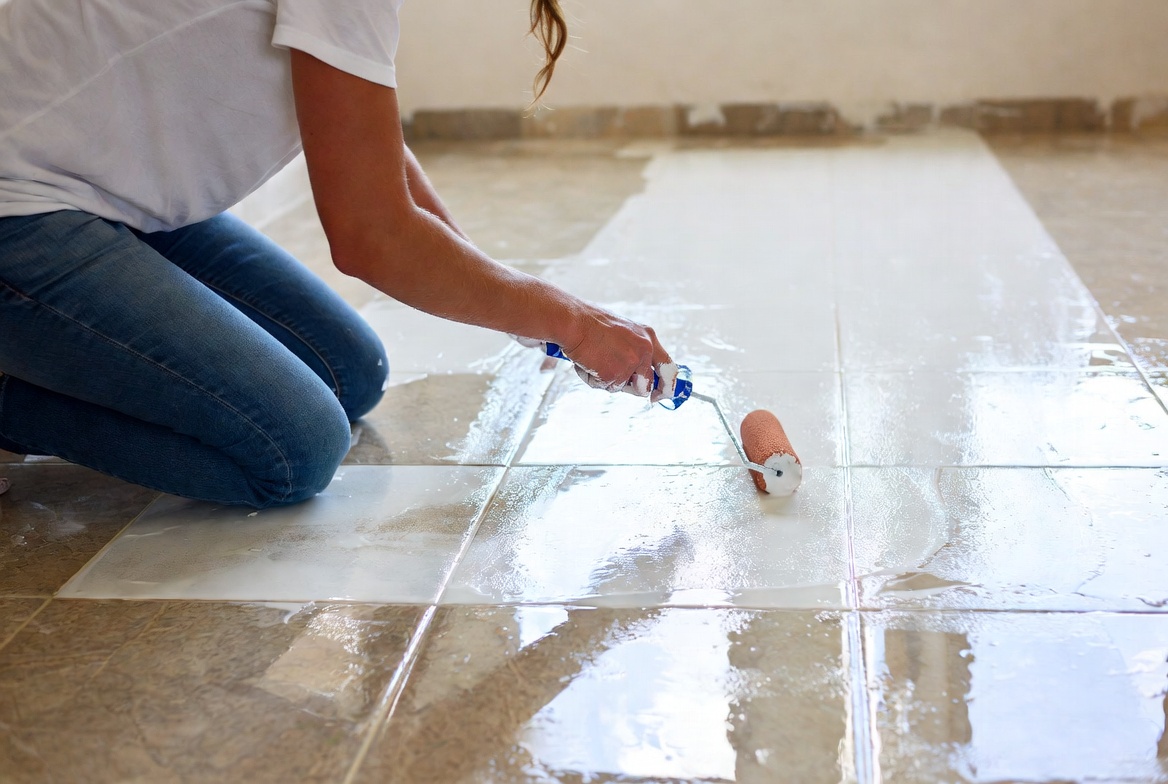
When it’s time to reapply, the type of product is just as important as the timing. Penetrating sealers are often the safer bet for natural stone. They soak in and protect from within, without changing the look or feel of the tile. There’s no visible layer on top, which means less chance of uneven wear.
Topical sealers, as the name suggests, sit on the surface instead. They can add a slight sheen or deepen the colour, which some people prefer. The trade-off is that they tend to show wear more clearly, particularly in busy areas.
There’s no universal right choice here. It depends on the material, the look you want, and how much traffic the space handles. What matters is picking something suited to the job rather than grabbing whatever’s convenient.
Final Thoughts
There isn’t a single schedule that fits every home. Some surfaces will need attention every year or two. Others can stretch further without issue. The difference comes down to material, use, and how they’re maintained day to day.
What tends to work best is a mix of awareness and restraint. Check the surface occasionally. Use products that don’t undo your efforts. Act when there are signs, not just because the calendar says so. Handled that way, sealed tiles stay easy to live with. No sudden surprises or stubborn stains that refuse to budge.