


Table of Contents
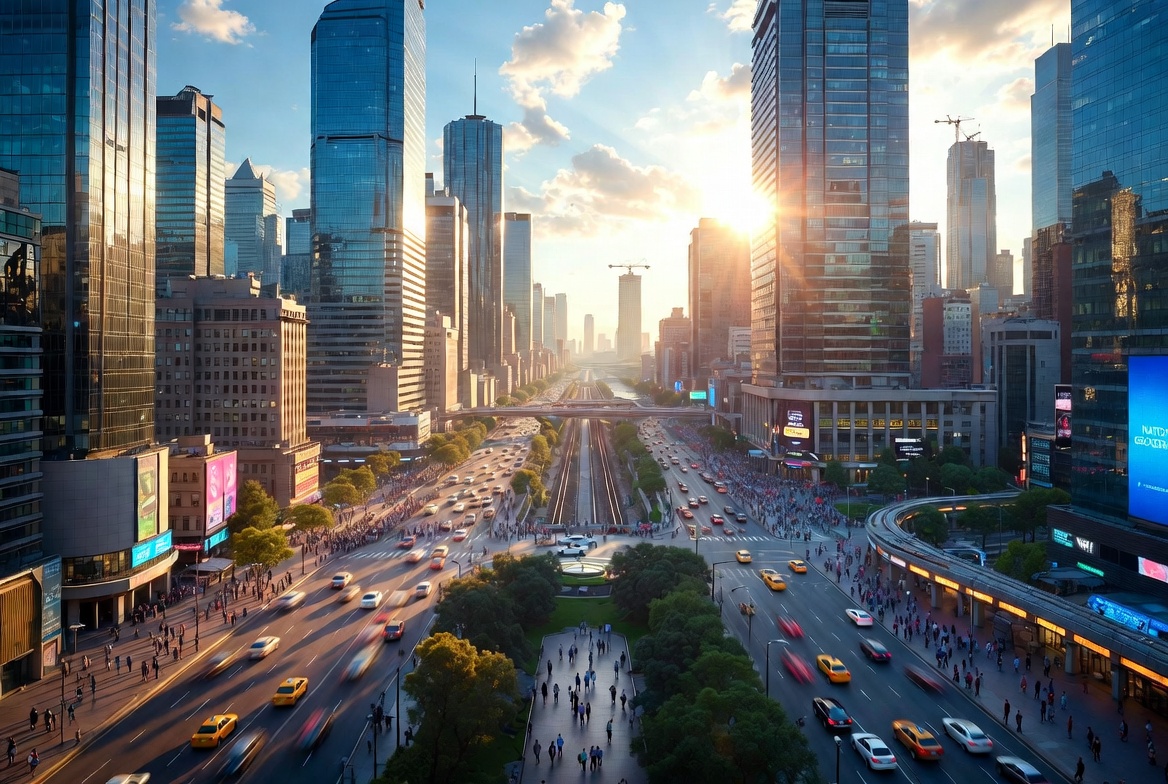
Life in large cities often moves at a fast pace. Between work, errands, and social plans, urban life often feels like a constant race against time. Many drivers are used to multitasking, checking notifications at red lights, confirming directions during a commute, or making quick calls in traffic.
Technology makes it easier to stay connected, navigate throughout the city, and make traffic more manageable, but it can also create risks behind the wheel. When drivers split their attention between the road and their devices, even briefly, distractions can increase driving risk.
In 2023, the National Highway Traffic Safety Administration recorded 3,275 people killed in crashes involving distracted drivers, which includes the 369 deaths linked to cellphone use. These figures highlight how even brief distractions can have serious consequences.
In cities where traffic is dense and conditions change quickly, even a moment of distraction can turn into a serious safety issue.
Common Urban Driving Distractions
Digital tools have become everyday driving companions, helping people navigate through city streets, stay connected with others, and make long commutes more manageable. While these technologies offer convenience, they can also introduce new distractions behind the wheel when drivers divide their attention between devices and the road.
Navigation Apps
Navigation apps have transformed commuting in the cities. With real-time traffic updates, turn-by-turn directions, and route suggestions, drivers can travel through unfamiliar neighborhoods without worrying about getting lost. These tools are also essential for many rideshare and delivery drivers who rely on them throughout the day.
However, interacting with navigation apps while driving can still draw attention away from the road. Drivers may glance repeatedly at their screens to confirm directions, adjust routes, or review traffic updates. Even brief moments of looking away from traffic conditions can increase the risk of missing sudden stops or hazards.
Messaging While Stuck in Traffic
Heavy traffic is a part of daily life in big cities. When cars are barely moving, some drivers might use the time to answer messages, emails, or calls. For those with busy schedules, sending a quick text during a long delay can feel harmless.
According to NHTSA, cellphone use was involved in 12% of distracted-driving fatal crashes, and texting is especially risky because it takes a driver’s eyes, hands, and attention away from the road at the same time. Even in slow or stopped traffic, drivers need to stay alert for sudden braking, lane changes, cyclists, and pedestrians. Looking away from the road, even for a moment, can slow reaction time and raise the risk of a crash.
In-Car Entertainment System
Car entertainment systems have changed a lot over time. Instead of just turning on the radio, drivers now have touchscreen displays, bluetooth, streaming services, and smartphone apps. These features can make commutes more enjoyable and help drivers stay alert on long trips.
But using these complex systems can also distract drivers. Changing playlists, using menus, or touching the screen can make drivers look away from the road longer than they think. In busy cities where things change fast, even a quick distraction can be risky.
The Pressure of City Schedules
Life in big cities rarely slows down. From early commutes to late-night events, people’s schedules are often full. This constant rush can sometimes lead drivers to pick up habits that take their attention off the road.
Tight Commutes
City commutes often involve crowded streets, busy intersections, and heavy traffic during rush hour. Many people plan their days around tight schedules, whether it’s getting to work, running errands between meetings, or crossing town for appointments.
Since time can feel short, some drivers try to stay connected on the road by checking notifications, replying to messages, or looking at directions during their commute. But splitting attention between a device and driving makes it easier to miss sudden changes in traffic.
Late-Night Driving After Events
Cities come alive at night, with restaurants, concerts, art shows, and social events keeping people out well past the end of the workday. These activities make city life exciting, but they also mean more people are driving late at night.
Driving late at night comes with extra challenges, like feeling tired after a long day, having less visibility, and sometimes taking unfamiliar routes after events. In these moments, even small distractions, such as checking messages while heading home, can raise the risk of accidents.
Multitasking Culture
Ambition often draws people to big cities. Many residents balance demanding careers, social commitments, and personal responsibilities all at once. Because of this, multitasking is a normal part of daily life, like answering messages on the go, making plans with apps, or handling several things at once.
While multitasking may feel productive in many situations, driving is an activity that requires consistent attention to road conditions. Trying to do other things, especially using a phone, while driving increases the likelihood of distracted driving.
Why City Roads Amplify the Risk
City streets are busy places where different types of road users share the same space.
Drivers have to watch for traffic lights, people crossing, cyclists riding next to cars, and buses or delivery trucks stopping often. In these crowded situations, even a small distraction can quickly lead to an accident.
Pedestrians and Cyclists
Cities tend to have far higher numbers of pedestrians and cyclists compared to suburban or rural areas. Sidewalks, bike lanes, crosswalks, and shared streets bring multiple road users into close proximity with moving vehicles.
While many cities have added more bike lanes, cyclists still often have to share space with bigger vehicles or squeeze through tight spots in traffic. Pedestrians cross busy streets at intersections or in the middle of the block all day long. If drivers look away from the road, even for a moment, it’s easy to miss someone stepping out.
Dense Intersection
Intersections are among the trickiest parts of any road network. In cities, they often involve several lanes of traffic, crosswalks, turning vehicles, and traffic signals all operating at once.
Drivers have to pay attention to signals, watch for people crossing, look out for cyclists in bike lanes, and anticipate vehicles turning from different directions. When a driver is distracted by a phone or an in-car system, it’s harder to keep track of everything, which increases the likelihood of mistakes or slow reactions.
Unpredictable Traffic Flow
Urban traffic patterns can change quickly. Sudden stops, lane changes, delivery trucks pulling over, and pedestrians stepping into crosswalks can all disrupt the flow of traffic. Because things change so fast, driving in the city means drivers have to stay alert all the time.
If drivers get distracted, even for a few seconds, they might miscalculate how fast other cars are going or fail to react quickly when conditions change.
Real Consequences of Distracted Driving
Technology offers tools that make many people’s daily routines more convenient and connected. However, these same tools can create serious risks when used improperly behind the wheel. Distractions such as smartphone use, adjusting in-car systems, eating, or interacting with passengers can pull a driver’s attention away from the road. Among these, activities involving phones, such as texting or using apps, are widely recognized as among the most dangerous forms of driver distraction.
Even looking away for a moment can have serious consequences on busy city streets.
Risk of Injuries
Distracted driving increases the likelihood of collisions, which can result in a wide range of injuries depending on the severity of the crash. Some common injuries from car accidents are:
- Whiplash and other neck injuries caused by sudden impact
- Traumatic brain injuries (TBI) resulting from head trauma
- Spinal cord injuries, which can lead to long-term mobility issues
- Fractures and broken bones from the force of a collision
- Internal organ damage caused by blunt trauma
- Burns in cases involving vehicle fires or severe impact
- Back Injuries, including herniated discs and muscle strain
- Lacerations and cuts caused by broken glass, sharp metals, or debris
Even small crashes can leave drivers and passengers with pain, medical bills, and time needed to recover.
Property Damage
Beyond physical injuries, car accidents often result in significant property damage. Distracted driving crashes can affect several types of property, including:
- Vehicle damage – That may range from minor dents to total loss.
- Personal property – Material belongings that are damaged or destroyed by the crash, such as phones, laptops, or other items inside the vehicle.
- Real property – Includes damaged buildings, fences, or storefronts near roadways.
- Public infrastructure – Government-owned properties such as traffic lights, guardrails, street signs, and barricades.
Insurance Consequences
Drivers involved in distracted driving crashes may also face financial consequences through their insurance coverage. Insurance companies often investigate who was at fault, and when evidence points to a driver being distracted while driving, it can lead to higher premiums, reduced coverage benefits, or liability for damages.
In some cases, drivers may be responsible for covering medical costs, vehicle repairs, or other losses resulting from the crash. These financial impacts are challenges that can last longer than the accident itself.
When Distractions Lead to Serious Accidents
When distracted driving leads to a serious crash, the effects can go far beyond the accident itself. In many cases, drivers who cause accidents while distracted may face legal liability if their actions are found to be negligent. This can lead to traffic violations, civil lawsuits, or claims from people who were hurt.
For victims, the impact can be even more difficult. Serious accidents often bring physical injuries that disrupt daily life — not only for the person involved but for their families as well. Recovery can mean medical treatments, rehab, missing work, and dealing with medical bills and other costs.
In accidents involving serious injuries, the legal and insurance process can become more complex. Questions about liability, insurance coverage, and medical expenses may require careful review.
In these situations, some individuals choose to seek legal guidance to better understand the claims process. Firms such as Jacoby & Meyers work with individuals navigating accident-related insurance and liability questions when those issues become more complicated.
Responsible Technology Use Creates Safer Cities
Technology is already deeply embedded in everyday life and will only continue to expand its influence. Gadgets, apps, and digital systems are constantly evolving, offering tools designed to make daily activities more convenient. However, whether they are deemed helpful or harmful depends on the users.
Devices meant to assist drivers can quickly become distractions when they draw attention away from the road. In fast-moving urban environments where pedestrians, cyclists, and vehicles interact constantly, even brief moments of inattention can have serious consequences.
In the end, technology is most effective when it supports drivers without diverting attention from the road. By using digital tools responsibly and staying focused behind the wheel, drivers can help make city streets safer for everyone who shares them.