


Table of Contents
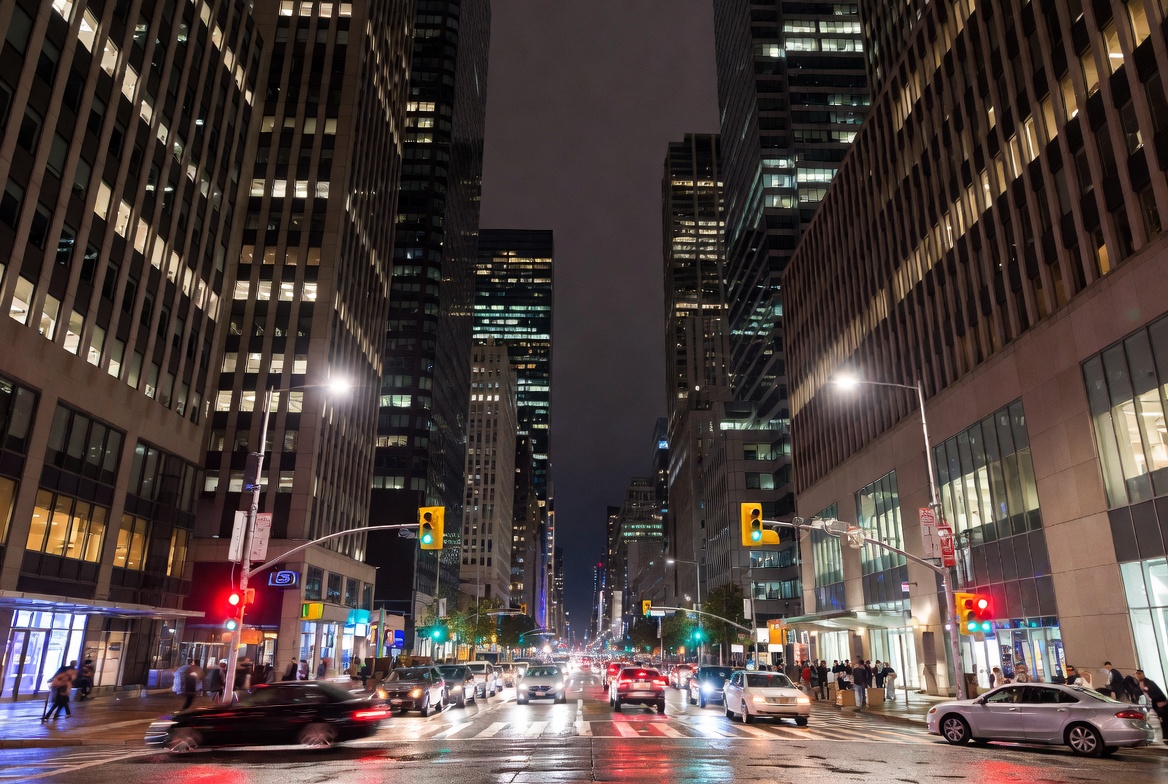
In every large city, people move fast, talk fast and often think in straight lines from A to B. Yet the real character of urban life hides in the small pauses between those lines: the five minutes on a bench before a meeting, the quiet walk home after a late shift, the solo coffee at a crowded bar where nobody knows your name. These tiny rituals shape how residents experience their surroundings and how a city slowly starts to feel like home instead of a maze.
Urban life should be noisy and bright, but it also needs pockets of stillness. Those who thrive in dense neighbourhoods rarely do so because they have more time; they succeed because they protect small windows of calm and turn them into something meaningful. That might be as simple as always getting off the bus one stop early or setting a personal rule about never eating lunch at the desk.
Micro‑rituals that anchor a hectic day
City dwellers often build their day around micro‑rituals that look trivial from the outside but feel essential from the inside. A designer might start every morning with a slow walk through a park before diving into emails. A bartender might unwind by listening to the same playlist on the late‑night tram, using the journey as a mental reset instead of just a commute.
Some rituals are sensory: a particular bakery, a favourite coffee cart, the smell of rain on warm pavement under a railway bridge. Others are about small personal choices, like swapping a mid‑afternoon energy drink for a calmer break with water, tea or a discreet product that fits a pocket. For some adults, that includes modern oral nicotine products such as iceberg nicotine pouches, which slip quietly into a routine without drawing attention. The key is not the product itself but the sense of control that comes from designing a ritual that fits the pace of the street rather than fighting it.
When people treat these everyday pauses as deliberate moments instead of dead time, a crowded neighbourhood starts to feel less like pressure and more like potential. The same ten minutes outside the office can either become a doom‑scrolling spiral or a short walk that reveals a new side street, a mural or a tiny shop that changes the way you see the block.
Third places and the art of feeling local
Urban planners often talk about “third places”: locations that are neither home nor work but something in between. These are the cafés, laundromats, basketball courts, record stores and rooftop bars where people drift in and out without appointments or tickets. They are where strangers slowly turn into familiar faces.
In dense districts, third places should act as pressure valves. A small bar that remembers your order, a co‑working space that stays open late or a community garden squeezed between two buildings all offer the same promise: you belong somewhere, even when your apartment is tiny and your office feels temporary. People do not always need deep friendships in these spaces; sometimes they only need the comfort of being recognised.
These third places also help residents explore new habits. A book club at a neighbourhood bar might push someone to read more. A climbing gym under a railway arch might become the weekly anchor that keeps a freelancer’s schedule from drifting. The magic lies in repetition: show up often enough and a random place becomes your place.
Designing your own city within the city
No matter how large a metropolis grows, each person effectively lives in a much smaller version shaped by routine. Your city is the set of streets you walk, the subway lines you ride, the food spots you trust and the benches you return to when life feels heavy. When people take this seriously, they start to curate that personal map instead of letting it form by accident.
That might mean deliberately searching for a late‑night café that suits your working hours, choosing a weekly class that forces you to cross the river or setting a rule to try a new lunch spot every Friday. Over time, these choices stitch together a more interesting personal geography. The same old commute route suddenly gains alternatives, and the city stops feeling like a fixed backdrop and starts behaving like a toolkit.
Small, thoughtful rituals also make it easier to adapt when life changes. A new job, a breakup or a move to a different neighbourhood will still hurt or stress you, but a flexible set of habits – a favourite walk, a reliable spot to think, a way to mark the end of the day – gives you something steady to hold onto.
When the city starts to feel like yours
Urban life often looks chaotic from the outside, but on the inside it runs on patterns: the coffee line, the evening train, the regulars at the corner bar. By treating those patterns as something you shape rather than something that happens to you, you quietly reclaim a sense of ownership over the streets you walk every day.
The city does not slow down for anyone. Yet the people who feel most at ease in it are rarely the ones with the most free time; they are the ones who build small, meaningful rituals that turn anonymous blocks into familiar territory. Once that happens, the noise outside the window stops feeling like an intrusion and starts sounding like a backdrop to a life that actually fits the place you live.