



Table of Contents
Gary Glitter Has Been Referred Back to the Parole Board for Another Attempt to Gain Release
Former glam rock singer, and now disgraced, Gary Glitter was sent back to the Parole Board which might be one of his last and most certain to fail attempts of getting released from prison.
The hearing if successful could see Glitter, whose real name is Paul Gadd, returning to the community in a matter of months.
When the 81-year-old’s last application for release was turned down two years ago, he was reported to have admitted that he still posed a risk to young girls and that he deserved to be kept in prison.
Parole Board confirmed on Monday that it has referred Glitter for a further hearing.

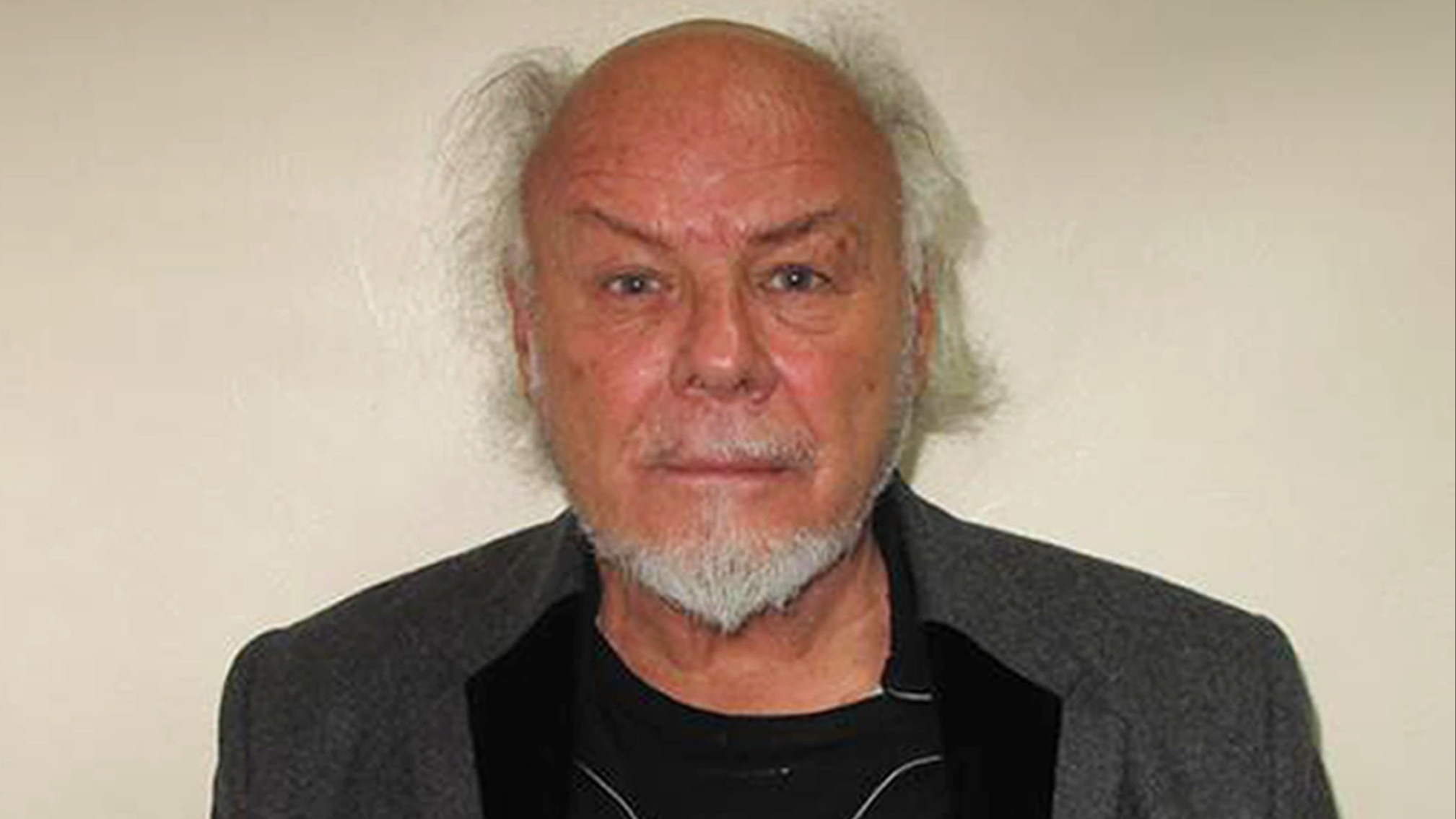
Gary Glitter May Be Released Again as He Starts Prison Therapy Programme
Former pop star, Gary Glitter, has allegedly started a prison sex offender therapy course, which could bolster his recent application for release.
Last time, after confessing that he was still a risk to young girls and needed having rehabilitation work during his imprisonment phase more extensively, he was refused parole.
The summary of the Parole Board’s earlier decision indicated: “According to our assessment, Mr Gadd still has an unrestrained interest in prepubescent children.”
Besides, the report mentioned that Glitter agreed with the idea that at that time he shouldn’t be released and that he must continue the treatment focused on his offending while in prison.
“After going through all the details of the case, the panel decided that the release of the prisoner at this time would not be a safe decision in terms of protecting the public, ” the statement said.
Gary Glitter May Face New Parole Review Following Return to Prison
Back then, 2015, a judge called him guilty – harm done to three children. The plan was sixteen years locked away. But by 2023, streets saw him again, released early under rules built into sentencing. Time counted twice in custody shaved it down. Freedom came halfway through.
Out once more behind prison walls, hardly any time had gone by. Just weeks after walking free, he was returned due to allegations of downloading illegal images involving children. Held now at HMP The Verne in Dorset, where inmates like him – convicted of sex crimes – are kept apart. If this latest bid for freedom is turned down, Paul Gadd, widely recognized as Gary Glitter, could stay confined until 2031, when his entire sentence finally ends. He’d be eighty-seven by now. Right now, officers watch over him inside HMP Channings Wood, situated far off in Devon.


Gary Glitter Ordered to Pay Damages to the Victim of His Abuse
Besides his other crimes, Gary Glitter is now accused of trying to hide his money while denying to pay one of his victims the compensation that she was entitled to.
The former singer, who has lost favor with the public, was reportedly stating that he did not have any money and refusing to compensate a woman who he raped when she was 12 years old with the amount of £508, 000. On the other hand, from the proceedings, it was found that he actually gave the sum of over £130, 000 from the pension money to his son, Paul. The payments were discovered by the investigators and later, the amount was reimbursed.
Besides the case filed by the woman, the victim, which claims that Glitter has made at least £988, 891 in royalties since 1996, her attorneys are still working to get hold of his property.
A couple of years ago, a psychological evaluation was done and it reportedly revealed that the ex-glam rock singer “still demonstrated a sexual interest in young girls and his attitudes were supportive of the sexual abuse of children.”
Besides presenting the findings and suggestions for the former glam rock star to undergo accredited prison-based sex offender treatment, the report detailed the reasons for them.
Parole Board Letter that Release of Gary Glitter Would Not be Safe for Society
In its earlier decision, the Parole Board found that the release of Gary Glitter would be a very dangerous situation for the public safety because of which it is not a good idea even to consider it.
“The panel, after going over every minute detail of the case, was of the opinion that releasing the offender now would not be safe as far as the protection of the public is concerned, ” the summary said.
It was mentioned in the report that none of the evaluations that were sent to the panel in fact endorsed his release, even though the board was still on a legal footing to carry out a review of the case.
Further, officials also singled out various risk factors that are linked to high chances of re-offending, for instance, Glitter’s sexual preference for female children, his attitudes that make him seem supportive of child abuse, his inability to show sympathy for victims, and, of course, his previous engagement with the internet for sexual purposes involving children.


Report: Gary Glitter Worried what headlines might say, he stayed away from the therapy sessions inside prison.
Not joining the group felt safer, he thought, keeping distance from cameras and questions waiting outside. The chance of being seen weighed on his mind more than the meetings. Staying out of view became the choice that made sense to him at the time. Public attention loomed larger than any conversation behind bars
A new update from parole officials revealed the ex-pop star skipped group therapy behind bars, concerned private talks might reach journalists. Blame shifted toward press coverage rather than personal accountability, according to those reviewing his case.
A Parole Board representative has disclosed that his parole hearings have been reopened lately.
“We can verify that the parole hearing for Paul Gadd has been sent to the Parole Board by the Secretary of State for Justice and is in process as per the usual procedures, ” the representative stated. “The Parole Board’s verdicts are only geared towards the assessment of potential danger an inmate might pose to the public upon release and if such a danger could be controlled within the community.”
The representative explained that the board members would consider a plethora of evidence, including the nature of the original crimes, any positive behavior changes seen during imprisonment, and how deeply the crimes affected the victims.