


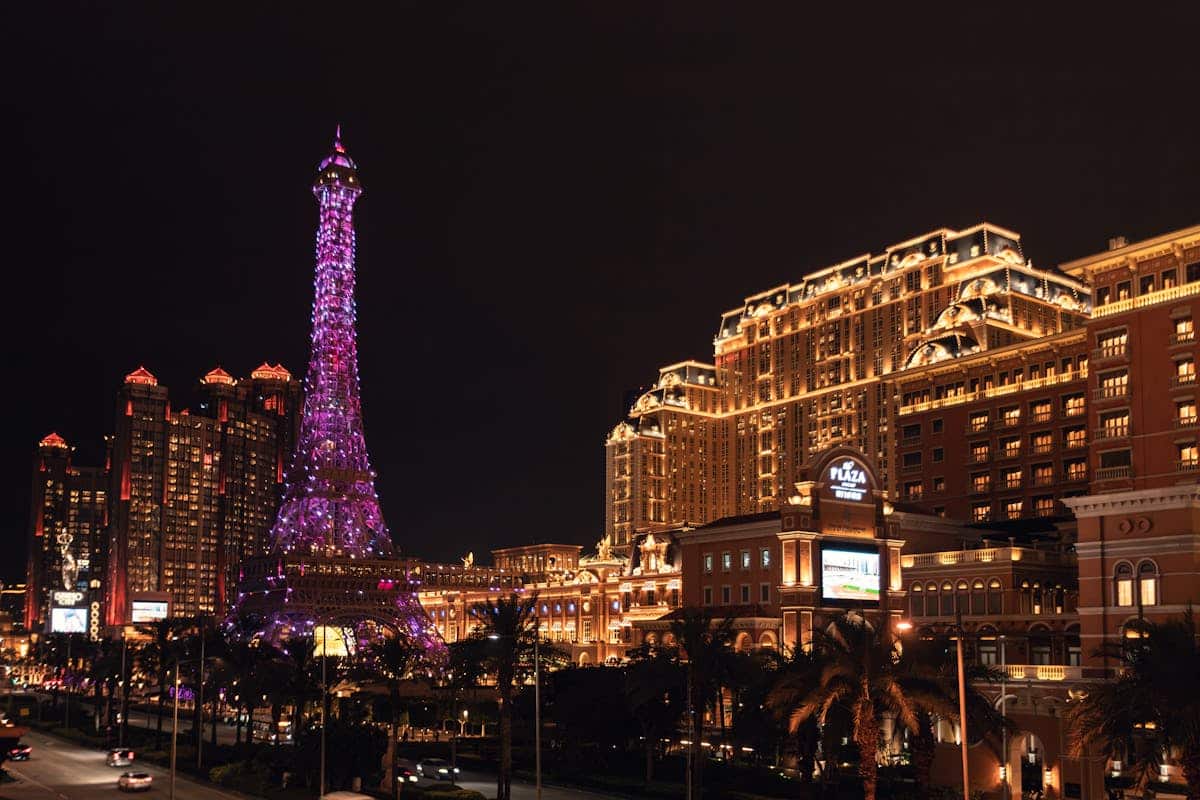
Macau is often regarded as a cultural crossroads, where Portuguese legacy meets modern Asian style and architecture. Most visitors come with expectations based on skyline photographs and prominent monuments, yet the city has layers of history and lifestyle peculiarities that people rarely talk about. These secret features give Macau its own rhythm and explain why it feels so unique among worldwide locations.
The landscape here is a study in contrasts. You have UNESCO listed colonial streets sitting just blocks away from modern districts pulsating with bright lights. However, many visitors are unaware that underneath the surface splendor, the city is driven by a remarkably specialized engine. Baccarat is the main source of earnings here, rather than general tourism. This solitary card game has become so popular that it influences how the city grows. It can be surprising for first-time visitors, especially because ads typically focus on family-friendly events.
When you start reading travel tips or lifestyle articles, you will see people comparing entertainment scenes across the world. In that context, curious travelers often look at regional trends, sometimes even researching things like casino options for New Zealand players just to understand how different markets in the Asia Pacific engage with gaming. It creates a natural frame for understanding why baccarat isn’t just a pastime here; it is central to the economy and identity of the city.
The Influence of Portuguese Heritage
You can feel the weight of four centuries of Portuguese presence in the texture of the city. Largo do Senado shows this blend best, with its mosaic streets and pastel government buildings. But it goes beyond the architecture. As you walk through these neighborhoods, you notice the atmosphere shift from the fast pace of modern Asia to the mood of a European coastal town.
The impact is also seen in the food. African chicken, cod croquettes, and egg tarts have become popular dishes among both locals and visitors. These meals tell a story that connects Southeast Asia, South America, and Europe in ways that few other countries can match.
Street-Level Life and Local Rhythms
While most people come to the seaside or the historic center, the city’s little corners demand equal attention. Old Taipa Village, for example, combines artisan shops, ancient residences, and small alleyways. Then there’s Coloane, which has peaceful beach walks and a laid-back vibe that feels worlds far from the city’s futuristic image.
It is also worth watching how the locals use public space. The promenades fill up with families in the evenings, and you will see morning walkers gathering in parks for tai chi. This day to day rhythm creates a nice balance between the high speed global attractions and the understated routine of community life.
Why These Facts Matter
Knowing these details before you arrive helps you appreciate Macau in greater detail. From the surprising economic influence of baccarat to the preserved architecture and food history, the city reveals its true character slowly. The more context you bring with you, the richer the experience becomes. That is when the experience really takes shape. Macau has a way of rewarding curiosity. If you take a moment to notice the quieter details, you usually walk away with a much better sense of how this city carved out such a unique place for itself in the world.