

Table of Contents
Many people think that the key recovery challenges for stroke survivors are confined to speech impairment or the inability to move around. But, even as families consider all these options that range from traditional rehabilitation to the modern stem cell treatment for stroke, they usually experience another problem: exhaustion.
Being aware of post stroke fatigue treatment methods to manage post stroke fatigue will help survivors live in a better condition and continue to make daily progress on their way to a full recovery.
What Is Post-Stroke Fatigue?
Post-stroke fatigue is a condition of persistent physical or mental tiredness that cannot be relieved through rest. It can be present even when mobility or speech is slowly improving.
Many stroke patients can attest that activities that involve concentration or coordination become more demanding than they were before. This is because the brain is working hard to heal itself and adapt to the damage, hence using more energy to carry out normal functions.
Causes of Post Stroke Fatigue
Post-stroke fatigue arises as a result of a number of intersecting physical, neurological, and emotional influences.
Neurological Recovery
After a stroke, brain damage starts to make new connections for recovery, which uses a lot of energy. As a result, easy tasks like speaking, walking, or concentrating become harder to perform.
Less Physical Conditioning
Muscle strength and stamina may decrease as a result of hospitalization and extreme inactivity during initial recovery.
Emotional Stress
After a stroke, most patients think about their independence, and some get frustrated by slower progress and uncertainty of the future; all these may be some of the factors that lead to more tiredness.
Sleep Disruption
A stroke survivor is likely to have sleep issues. The low quality of sleep may enhance daytime exhaustion and complicate the process of concentration.
This knowledge of post-stroke fatigue causes can be used to understand the reason a patient may still be exhausted despite other symptoms recovering.
Symptoms and Diagnosis
People experience post-stroke fatigue in different ways. Some experience physical fatigue, while for others, fatigue affects them mentally.
Common symptoms include:
- Continuous exhaustion that does not reduce even after sleep.
- Unable to focus or concentrate mentally.
- Low levels of motivation in daily activities.
- Fatigue after brief intervals of activity.
- Energy changes that can be detected during the day.
As the patient, your energy levels can be random. Some individuals are more productive in the morning and just want to rest in the afternoon.
Doctors will do an examination to diagnose Post-stroke fatigue. They could examine your history with strokes, medication history, sleep history and your mood. Determining the contributory factors assists health caregivers in prescribing suitable post-stroke fatigue treatment programs.
Treatments for Post Stroke Fatigue
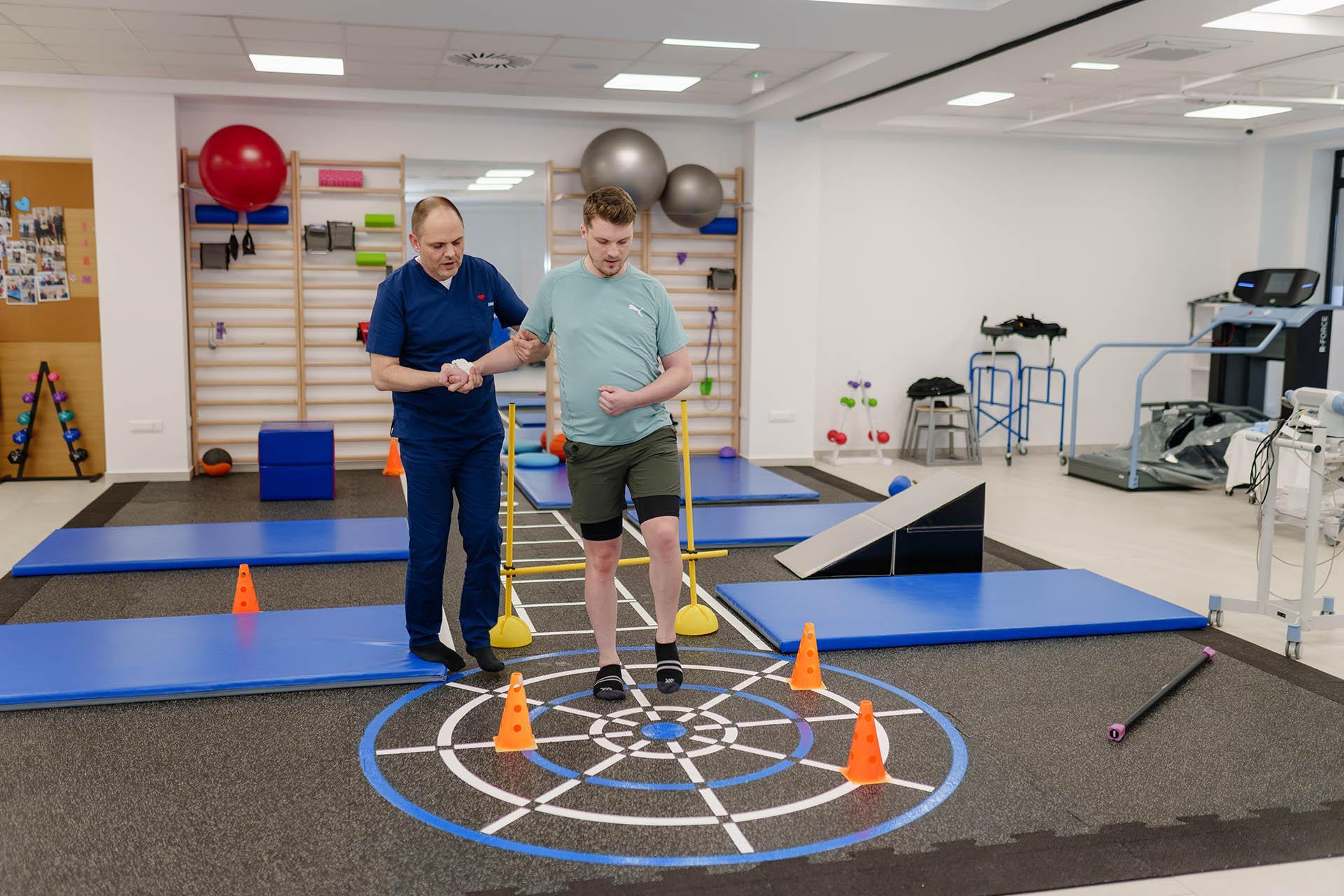
Image Source: Swiss medica– Physical therapy and guided exercise programs can help build up strength and stamina
The treatment of fatigue consists of medical treatment, rehabilitation, and lifestyle changes. Since fatigue may be caused by a variety of factors, treatment plans target different factors simultaneously.
Energy Management
One of the strategies that works best is learning to pace the daily activities. Survivors can split their activities across the day and take some time to rest.
Taking breaks between activities may assist in preventing sudden fatigue that occurs suddenly.
Rehabilitation and Physical Exercise.
Guided exercise and physical therapy can be used to develop strength and stamina. Working out improves the circulation of blood and body muscles, therefore, endurance.
Emotional Support
Psychological baggage or emotional strain can cause fatigue. An individual can recover through counseling, cognitive therapy, or a support group to overcome anxiety, frustration or depression.
Recovery and Management Strategies
Stroke recovery may become slower than it should be because of fatigue. Improvement is made in bits as opposed to miraculous changes.
Some practical habits known to assist survivors in managing energy better are:
- Keeping a regular sleeping schedule.
- Dividing big tasks into smaller tasks.
- Setting priorities on a daily basis.
- Resting intervals before one gets tired.
Discuss fatigue with your health care providers.
Gradually, you will notice some changes in the energy levels and get back to your everyday routine, and prevent unnecessary stress.
Tips for Caregivers
Exhaustion is not always seen and thus can be misinterpreted.
Caregivers should be patient and flexible to support an individual with post-stroke fatigue.
Helpful strategies include:
- Promoting activity/rest equilibrium
- Assistance in arranging routines based on the energy levels of the survivor
- Listening when the survivor expresses frustration or discouragement
- Avoiding pressure to “push through” exhaustion
- Taking time for personal rest and support as a caregiver
Caregivers play an essential role in recovery, but maintaining their own well-being is equally important.
In Conclusion
One of the most prevalent and misconceived post-stroke problems is fatigue. It makes daily chores hard and prolongs normal life even when physical recovery is happening.
Once post-stroke fatigue treatment begins, recovery becomes easier. Some of the ways doctors help their stroke patients to enhance energy and stability are through medical advice, rehabilitation, and actual lifestyle changes.
If you or your loved one experienced post-stroke fatigue during recovery, which recovery and management strategy would you use?