


Table of Contents
From hopping between islands to slow evenings on stone promenades, Dalmatia has quietly turned into one of Croatia’s best spots for people chasing sunshine, culture and a softer Mediterranean pace.
There’s something about the Croatian coast that always catches people by surprise. Maybe it’s that water; almost unreal when the afternoon sun hits it. Or it’s the blend of ancient Roman ruins, new cafés and pocket-sized fishing villages that somehow make sense together. Or it’s just the way life moves here. Compared to crowded hotspots in Europe, Dalmatia feels easier, more intimate and you find yourself settling in almost without thinking about it.
Dalmatia stretches along the southern edge of Croatia, and lately, it’s become one of the country’s top holiday spots. Folks arrive dreaming of beaches and seafood, but they end up talking about the vibe just as much. This is the sort of place where mornings begin with espresso by the water and nights melt into long, lingering meals next to the sea.
Why Dalmatia feels different
Plenty of Mediterranean getaways are built for pure tourism, but Dalmatia brings together city energy and laid-back coastal life. Towns like Split and Zadar still feel lived in. People work, study and gather in old squares late into the night. The result? Way more authenticity than places created just for tourists.
Split, for one, is a hit among younger professionals and people working remotely. Here, you get centuries-old walls, rooftops with bars, restaurants along the water and a lively café scene. Right in the middle of it all is Diocletian’s Palace, one of the most intact Roman sites anywhere.
Getting around Croatia is simpler than you think
People sometimes think Croatia is hard to get around. Truth is, travel here is pretty straightforward these days. You hear English all over tourist areas. Cards work just about everywhere, and in summer, transport between major towns is solid. Croatia switched to the euro in 2023, which also makes everything easier for other Europeans coming in.
Summer is peak season, June to August mainly, but seasoned travelers now look at May or September, when it’s still warm and crowds lighten up.
Apartments are popular for longer stays. People want kitchens, terraces and local neighborhoods, not just standard hotels. That shift is one reason sites focused on holidays in Dalmatia, Croatia are getting noticed by visitors worldwide. These platforms lineup vacation rentals around the region, so you find places that feel homey and local, not just a tourist stop, while you explore the coast.
Island life without the headache
One of the best things about holidays Dalmatia? Jumping between islands is a breeze. Ferries connect almost everything, so island-hopping feels easy, even for people who usually avoid complex travel plans.
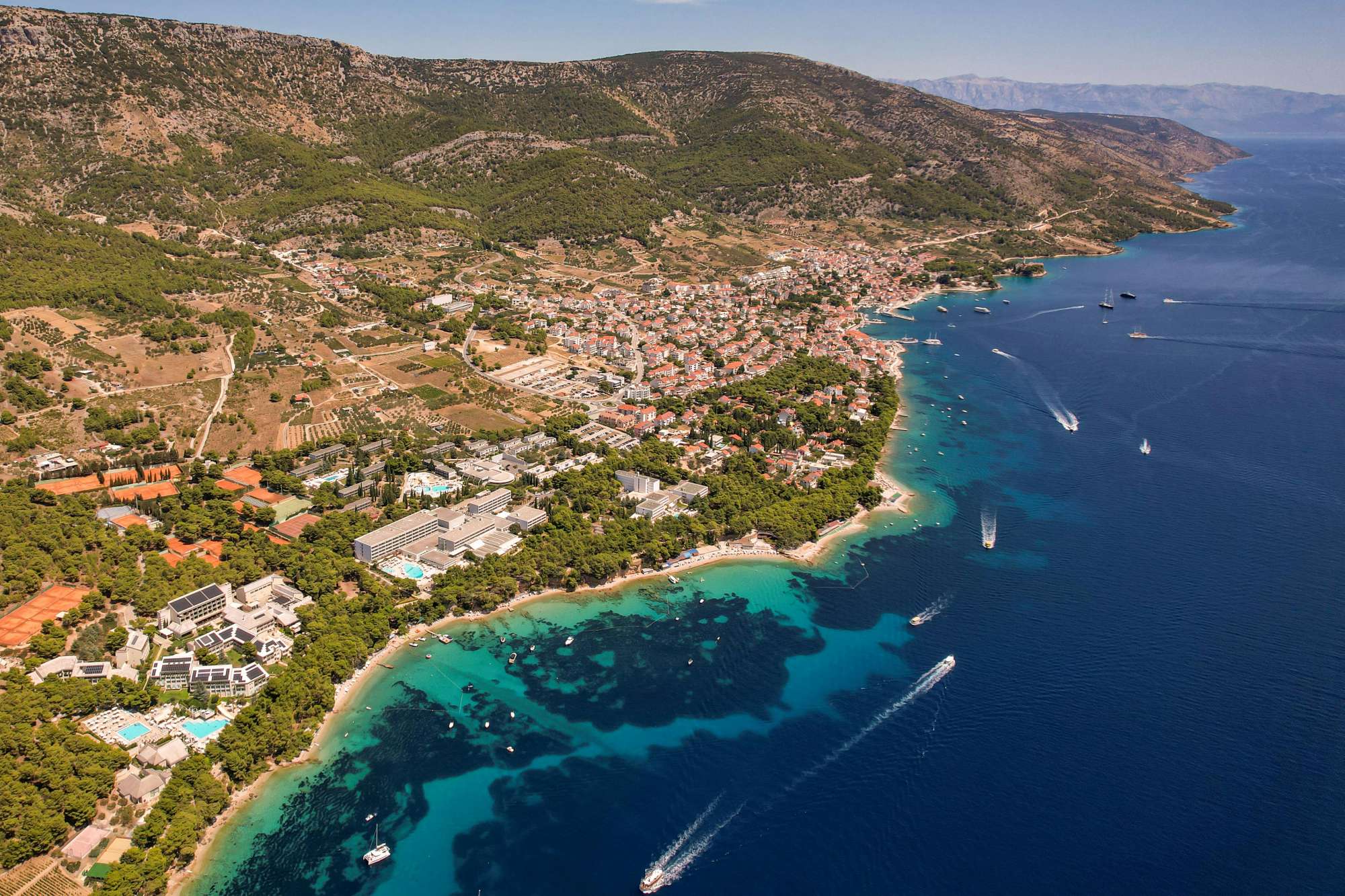
There’s Hvar, which draws nightlife fans and luxury seekers. Brač, on the other hand, attracts those after quieter bays and hiking trails. Korčula leans more historically: Think stone alleyways and film-worthy sunsets, all in a slower and almost cinematic setting.
Food that keeps it simple
Dalmatian food isn’t fancy, and that’s exactly why it hits the spot. Menus are all about fresh fish, grilled veggies, olive oil and local wine. People take their time, meals go on because nobody’s in a rush.
In plenty of these coastal towns, dinner starts late and spills into the evening. You’ll find yourself outside, boats drifting by and the vibe is pure relaxation. For folks coming from bigger cities, that kind of slow meal stands out in a good way.
A good variety in one place
It’s not hard to see why holidays Dalmatia are getting more popular. Here, you get beauty, history, island life and that easy Mediterranean flow, without it ever feeling too packaged.
If you’re tired of Europe’s busiest cities, Croatia’s coastline gives you something harder to find: A chance to take it slower, but not miss out on good meals, lively towns or what you need to be comfortable.