

Table of Contents
Kitchen renovations can be expensive, especially when it comes to replacing countertops. Because of this, many homeowners look for cost-effective ways to refresh their kitchens without committing to a full remodel. One question that frequently comes up during these projects is: can you paint kitchen countertops?
The short answer is yes—certain types of countertops can be painted using specialized coatings designed for high-use surfaces. However, painting countertops is typically considered a temporary cosmetic upgrade rather than a permanent replacement. Understanding the process, materials, and limitations can help homeowners decide whether this option fits their goals.
Can You Paint Kitchen Countertops?
Painting countertops has become a popular DIY project for homeowners who want to update the appearance of their kitchen without replacing the entire surface.
Surfaces That Can Be Painted
Some countertop materials respond well to paint when properly prepared.
Common paintable surfaces include:
- Laminate countertops
- Wood countertops
- Tile countertops (with proper preparation)
These materials allow paint and primer to adhere more effectively after sanding and cleaning.
Surfaces That Are Difficult to Paint
Certain countertop materials are more challenging to paint successfully. For example:
- Some natural stone surfaces
- Countertops with severe structural damage
- Highly polished surfaces without proper sanding
In these cases, paint may not adhere properly or may wear down quickly.
Pros and Cons of Painting Kitchen Countertops
Before starting a countertop painting project, it helps to understand the advantages and limitations.
Benefits of Painting Countertops
Painting countertops offers several benefits:
- Lower cost compared to replacing countertops
- Quick visual improvement for older kitchens
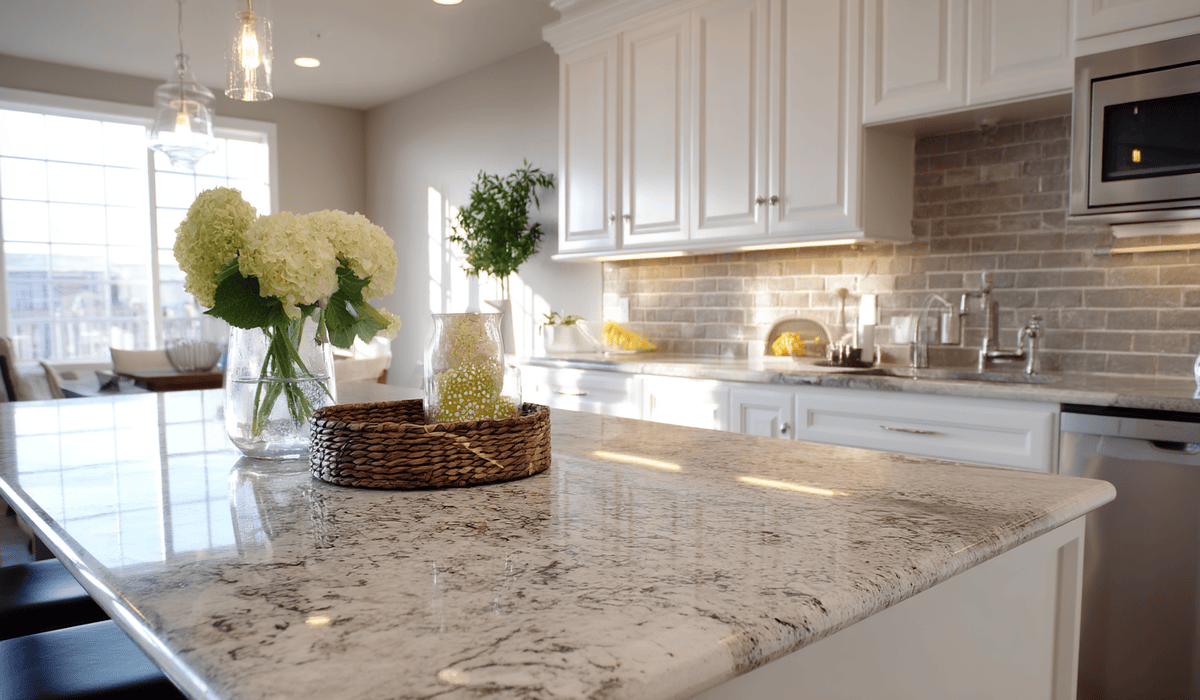
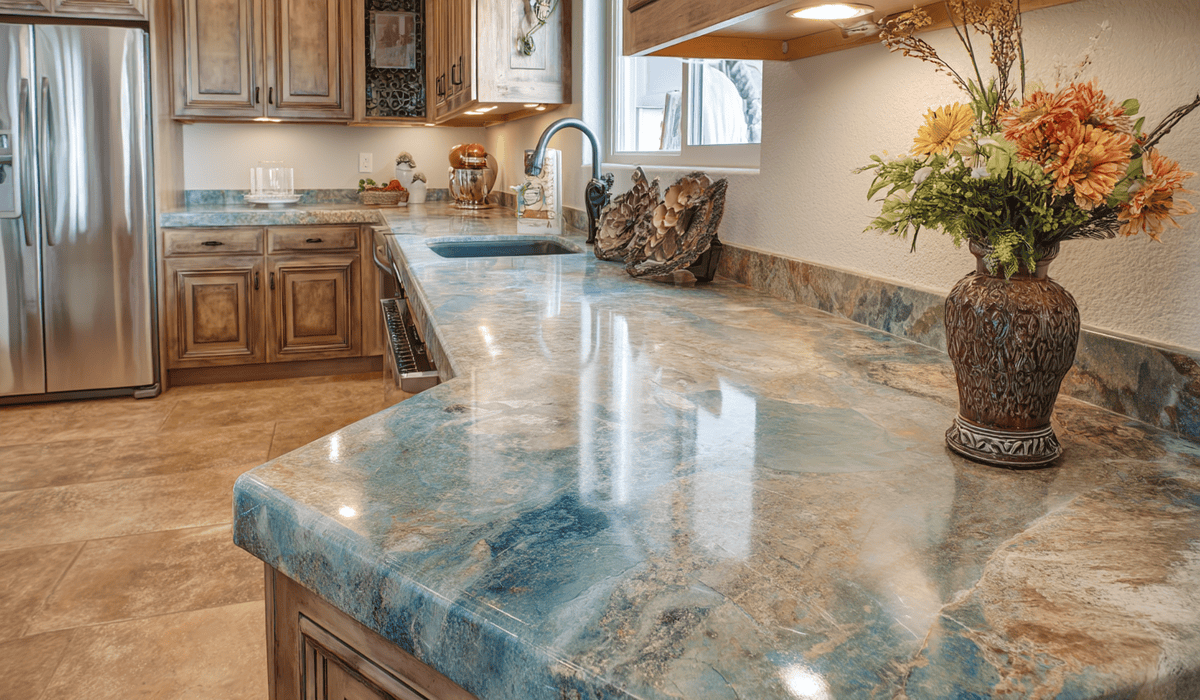
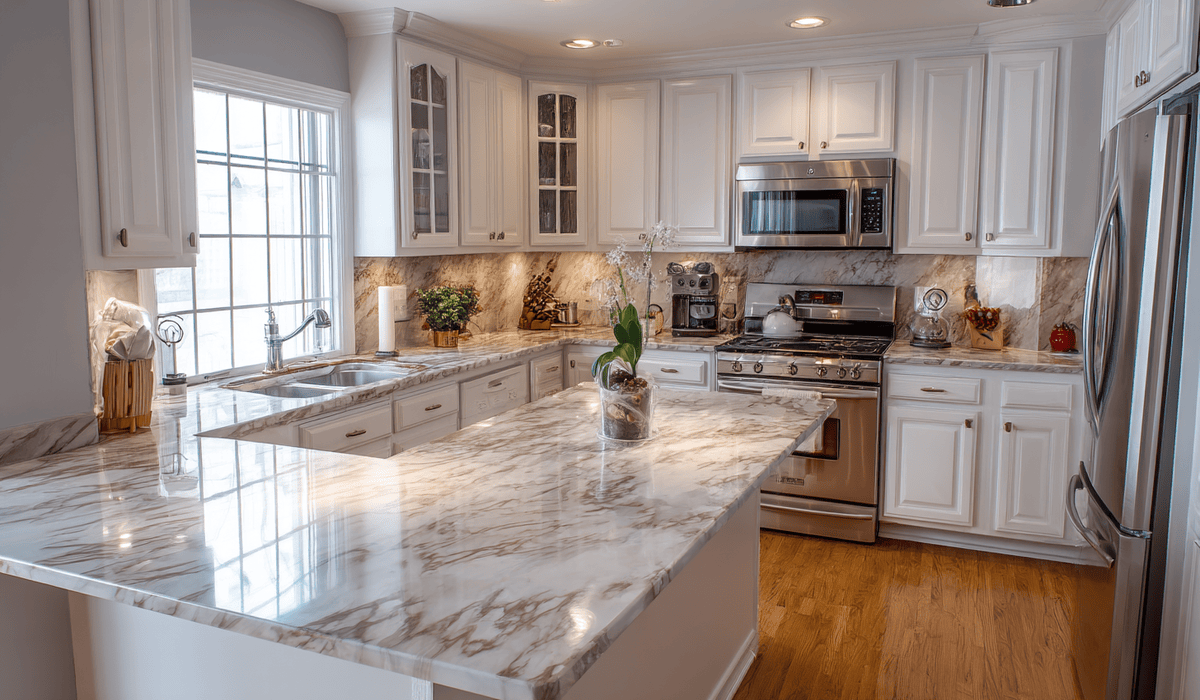
- Ability to create finishes that resemble granite, marble, or stone
Many countertop paint kits include decorative techniques that mimic natural stone patterns.
Limitations to Consider
Despite the benefits, painted countertops have limitations.
They may:
- Chip or scratch over time
- Wear down in high-traffic kitchens
- Require periodic touch-ups
For this reason, painting countertops is often best suited for short-term updates or rental properties.
Materials and Tools Needed for Painting Countertops
Successful countertop painting requires the right tools and coatings.
Essential Tools
Basic tools for the project typically include:
- Sandpaper or sanding block
- Paint rollers and brushes
- Painter’s tape
- Drop cloths to protect surrounding surfaces
Proper preparation tools are critical for achieving smooth results.
Paint and Coating Materials
Unlike standard wall paint, countertops require specialized coatings.
These may include:
- Countertop paint kits designed for laminate surfaces
- Bonding primers that adhere to smooth materials
- Epoxy or polyurethane sealers for durability
Using coatings designed for countertops helps improve resistance to moisture, heat, and everyday use.
Step-by-Step: How to Paint Kitchen Countertops
The countertop painting process involves several preparation and finishing stages.
Step 1: Clean and Prepare the Surface
Start by thoroughly cleaning the countertop to remove grease, food residue, and stains. Degreasers and household cleaning solutions can help prepare the surface.
Any debris left on the surface may affect paint adhesion.
Step 2: Sand the Countertop
Sanding creates a slightly rough texture that allows primer and paint to bond more effectively.
Focus on sanding the entire countertop surface evenly, including edges and corners.
This step is particularly important when working with laminate countertops.
Step 3: Apply Bonding Primer
After sanding, apply a bonding primer designed for smooth surfaces.
Primer creates a foundation that helps paint adhere properly. Allow the primer to dry completely before moving on to the next stage.
Some homeowners prefer professional assistance for surface preparation and finishing. Services such as Cover Pro Painting can help ensure surfaces are properly prepared and coated using durable painting techniques for home improvement projects.
Step 4: Apply Countertop Paint
Once the primer has dried, the countertop paint can be applied.
Apply thin, even coats using rollers or brushes. Some paint kits allow homeowners to create decorative finishes that resemble natural stone or granite.
Multiple coats may be necessary to achieve full coverage.
Step 5: Apply a Protective Topcoat
After the paint dries, apply a protective sealer such as epoxy or polyurethane.
The topcoat protects the painted surface from moisture, scratches, and everyday wear.
Allow the countertop to cure fully before placing objects on the surface or using the kitchen normally.
How Long Painted Countertops Last
Painted countertops can provide a noticeable visual improvement, but they are not as durable as solid stone or quartz surfaces.
Typical Lifespan
Most painted countertops last between one and five years, depending on the level of use and the quality of the coating.
Heavy kitchen activity may shorten this lifespan.
Maintenance Tips
Homeowners can extend the life of painted countertops by:
- Using cutting boards instead of cutting directly on the surface
- Avoiding abrasive cleaning products
- Cleaning with mild household cleaners
These steps help reduce wear on the painted finish.
When Painting Is Not the Best Option
Painting countertops may not be the right solution in every situation.
Structural Damage
If countertops are warped, water-damaged, or severely worn, painting may not correct the underlying problem.
In these cases, replacement may be a better long-term solution.
Larger Kitchen Renovations
If a homeowner is planning a full kitchen upgrade, painting countertops may not match the long-term design goals of the project.
Working with an experienced Kitchen Remodeler can help homeowners evaluate whether replacing countertops or redesigning the layout will provide better results for the overall renovation.
Alternatives to Painting Kitchen Countertops
For homeowners seeking longer-lasting upgrades, several alternatives to painting are available.
Countertop Refinishing Kits
Some refinishing systems use thicker coatings that create textured surfaces resembling stone.
Professional Countertop Resurfacing
Resurfacing applies specialized coatings over existing countertops, creating a more durable finish than standard paint.
Full Countertop Replacement
Replacing countertops allows homeowners to install new materials such as:
- Quartz
- Granite
- Butcher block
- Solid surface materials
Although replacement costs more, it offers a permanent upgrade.
Tips for a Successful Countertop Painting Project
Homeowners planning a countertop painting project can improve their results by following a few best practices.
Helpful tips include:
- Use paint specifically designed for countertops
- Apply multiple thin coats rather than thick layers
- Follow drying and curing times carefully
- Protect seams and edges where wear occurs most often
Careful preparation and patience during the process can significantly improve the final result.
Final Thoughts
So, can you paint kitchen countertops? Yes—painting countertops can provide a quick and affordable way to refresh the appearance of a kitchen. With proper preparation, specialized coatings, and protective sealers, painted surfaces can last several years.
However, painting is generally best viewed as a temporary upgrade rather than a permanent solution. Homeowners planning larger renovations may find that replacement or resurfacing provides better long-term value.
Understanding the benefits and limitations of countertop painting allows homeowners to choose the renovation approach that best fits their budget and long-term plans.