

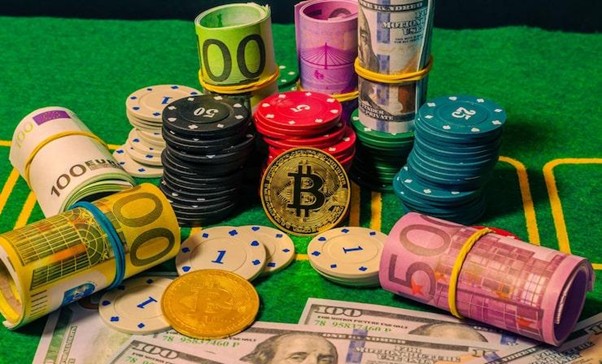
Image by Daniel Whitfield
A new class of online casino brand has come of age over the last three years, and almost none of the operators leading that shift look anything like the legacy gambling companies that defined the category through the 2010s. Built on cryptocurrency rails, financed through token launches rather than public listings, and marketed through streamers, creator partnerships, and sponsorship deals across combat sports and motor racing, this group of platforms has reshaped what a crypto casino looks like in 2026. The shorthand that gaming analysts now use for the category is token-backed crypto casino, and it captures a pattern in which a core gambling product sits alongside a native digital token that ties users, revenue, and brand marketing together in ways that traditional casino operators never attempted.
Shuffle.com is one of the most visible names inside that wave, alongside the better-known Stake.com and a handful of smaller challengers that have moved into the slipstream of the category’s growth. Founded in 2022 by a team with roots in esports, live streaming, and crypto trading, Shuffle built itself into a recognised global brand by 2024 and launched its own SHFL token the following year as part of a broader loyalty-and-rewards architecture. The path it has taken, from a cold start to a major global spend on sponsorships and streamer partnerships, is a useful lens on how token-backed crypto casinos have been designed, funded, and positioned for the audience that now makes up the category’s core. The sections below trace the company’s trajectory, the mechanics of the SHFL token, and the wider Anjouan licensing framework that underpins much of the group.
The brand profiled across this piece as the anchor reference is Shuffle, a crypto casino and sportsbook that launched in 2022 and has grown into one of the most widely recognised challengers to Stake.com inside the token-backed segment. The platform operates from a cryptocurrency-native product stack, supports a rotating catalogue of slot, live dealer, and original in-house titles, and markets itself heavily through partnerships with creators and athletes in combat sports, Formula 1-adjacent motorsport, and competitive gaming. Its 2025 SHFL token launch was a significant pivot, tying a loyalty-and-rewards layer into a tradeable on-chain asset and marking the company out as a case study in how this generation of operators is choosing to build. The sections that follow look at the brand’s founding story, the shape of the token, and the Anjouan licensing landscape that underpins it.
From a 2022 Launch to a Token-Backed Challenger: The Shuffle Brand Story
Shuffle.com went live in 2022 with a founding team that came out of the overlapping worlds of esports, live streaming on Twitch and Kick, and retail crypto trading. Reporting across specialist outlets traces the early investor and advisor group back to figures associated with the streaming ecosystem, including public backing from creators with large audiences in the poker and esports communities. That pedigree set the brand’s initial direction. From the outset it leaned on streamer and creator promotion rather than the billboard, sportsbook, and broadcast spend that defined the prior decade of online casino marketing. By 2023, the platform had scaled into a multi-million-dollar monthly revenue footprint on the back of that strategy, and by 2024 it was regularly cited alongside Stake.com as one of the two defining brands inside the global crypto casino segment.
What distinguishes Shuffle from the traditional operator model is not only its crypto-native payment stack but also the shape of its brand activity. The company has signed high-visibility sponsorships across combat sports and motor racing, backed tournaments in poker and esports, and built a steady rotation of creator partnerships that keep the brand visible inside the audiences that matter most to its player base. In a category where customer acquisition costs have risen sharply across regulated markets, that attention-economy model has proved commercially efficient for the operators who have executed it well. Shuffle is one of the few new entrants of the 2020s that has been able to carve meaningful share inside a group long dominated by a single brand, and the trajectory has been fast enough that the company has been profiled in mainstream and gaming-specialist coverage since 2023.

Image by Marcus Hensley
The platform’s product design reflects that positioning. The game catalogue combines third-party slot titles from mainstream studios with a growing library of in-house originals built around crash, dice, mines, and plinko mechanics that fit natively into the crypto-casino aesthetic. Live dealer coverage comes through recognised studio partners, a sportsbook layer sits alongside the casino verticals, and the whole product runs inside a fast-withdrawal, crypto-first cashier that is distinct from the bank-card-centric flow of most regulated operators. The combined design reads less like a legacy casino and more like a consumer-crypto application that happens to include gambling as its core product, which is a fair description of how most of the token-backed segment has chosen to present itself.
The SHFL Token and How Token-Backed Loyalty Reshapes the Casino Model
Shuffle’s 2025 launch of the SHFL token marked the moment the brand moved explicitly into the token-backed model that defines this generation of crypto casinos. The design pairs a native on-chain asset with the platform’s existing loyalty, rebate, and VIP mechanics, and the token then circulates on public secondary markets in a way that a traditional points-based loyalty scheme never could. The underlying logic is straightforward. Instead of issuing non-transferable loyalty credits that only have value inside the operator’s own ecosystem, the token-backed model issues an asset that carries a market price, can be held or traded outside the platform, and gives committed users a way to participate in the brand’s growth beyond individual sessions. That inversion of the standard loyalty relationship is the single most interesting mechanical change this generation of casinos has introduced.
For holders, the SHFL token functions across several use cases inside the Shuffle product. It is tied to the platform’s rakeback and rebate architecture, it is used in tiered VIP progression, and it appears inside promotional mechanics such as staking-style reward programmes and seasonal campaigns. For the operator, the token serves a second role. It acts as an attention and acquisition instrument that compounds the brand’s streamer and creator marketing by giving communities a shared asset to rally around. That is a very different flywheel from the one traditional casino operators built around sign-up bonuses and deposit matches. It rewards retention and community participation in a way that loyalty schemes of the prior decade could not, and it ties brand performance and user value together inside a single tradeable unit.
The trade-offs are also real and worth naming. Token-backed loyalty imports exposure to secondary-market volatility into the loyalty experience, so the value of a given rebate or reward can move with token price rather than staying fixed in fiat terms. Regulatory treatment of native operator tokens remains an unsettled area across most jurisdictions, and operators in the segment are generally careful about how they describe utility versus financial upside.
The category’s commercial engine also sits tightly alongside the creator economy, because streamer partnerships and platform-level sponsorship deals have become one of the main ways these brands reach their audiences. TechCrunch’s reporting on how creator platforms are reshaping streamer economics captures the way newer live-streaming services have rebuilt revenue splits and sponsorship norms in ways that directly affect how crypto casinos market themselves, which is useful background for understanding why Shuffle and its peers have leaned so heavily on creator-led distribution instead of legacy advertising channels.
Anjouan Licensing, Geo-Blocking, and How the Category Reaches a Global Audience
Most of the token-backed crypto casino group operates under licences issued from the Union of Comoros, specifically the autonomous island of Anjouan, which has become one of the more commonly cited offshore jurisdictions for this segment. Shuffle has publicly referenced Anjouan licensing across its site footer and corporate pages, aligning it with a broader cohort of crypto-first operators that have preferred Anjouan over older offshore venues such as Curacao following that jurisdiction’s mid-2020s licensing reforms. Anjouan’s appeal for the category has been practical rather than prestige-driven.
The framework offers a recognised licence, reasonable operational overhead, and a regulatory regime that is compatible with cryptocurrency-denominated gaming in a way that many traditional European frameworks still are not. Licences are issued through the Offshore Finance Authority of Anjouan and cover a broad operating scope that includes casino, sportsbook, and in-house game verticals under a single certificate, which suits the all-in-one product design favoured by this generation of brands. Reporting from gaming-law observers has noted the segment’s migration toward Anjouan since 2023, and the trend accelerated through 2024 and 2025 as the new Curacao framework introduced higher compliance thresholds that smaller operators found difficult to absorb.
The important trade-off that offshore-licensed operators carry is geographic. Because the licence does not confer passporting into regulated markets such as the United Kingdom, the United States, most of the European Union, or Australia, platforms in the segment geo-block IP addresses from those jurisdictions and do not accept players from them.
For the United States in particular, that means Shuffle and its direct peers are not available to residents of any state, including Illinois. Illinois legalised online sports wagering through the 2019 Sports Wagering Act, which went live in 2020 and is now one of the larger regulated mobile sportsbook markets in the country, but the state has not authorised online casino gaming. An iGaming bill has been introduced in Springfield in successive sessions without advancing, and as of April 2026 there is no licensed online casino product available to Illinois residents.
The cultural backdrop against which Chicago readers follow this story is worth noting, and UrbanMatter’s Chicago lifestyle and culture coverage captures the breadth of the city’s music, sports, and entertainment scene that sits alongside its tech and consumer economy. That context matters because readers following the token-backed category from a Chicago or wider Midwest perspective are doing so as observers of a global industry story rather than as potential customers of the platforms themselves.
The category’s global footprint reflects that reality. Token-backed crypto casinos draw the bulk of their audience from jurisdictions outside the heavily regulated Anglophone markets, with concentrations across Latin America, parts of Asia, and the Commonwealth of Independent States, alongside smaller pockets in regions where online gambling access is otherwise constrained.
Streamer and creator marketing has proved well suited to reaching that distributed base, because the audiences for major crypto and gaming creators cut across borders in a way that traditional regional marketing channels do not. Shuffle’s growth curve has tracked that model closely, and the broader offshore-licensed group has grown alongside it. The shape of the segment as of 2026 is therefore a small number of flagship brands operating at meaningful global scale under offshore licences, a wider long tail of smaller operators chasing similar mechanics, and a steady flow of new entrants attempting to replicate the token-backed loyalty design that Shuffle and its peers have popularised.
What to watch across the rest of 2026 is the durability of the token-backed model as the category matures. SHFL and the tokens that surround it will continue to be tested against the volatility of their own secondary markets, against the evolving licensing posture in Anjouan and other offshore venues, and against the slow expansion of regulated iGaming in major markets such as the United States. Illinois, New York, and a handful of other states with active legislative interest in online casino authorisation represent the most meaningful medium-term variable on the map, because a shift in any of those jurisdictions would reshape the global pattern of where licensed alternatives exist. For now the category sits where it has sat for the past two years.
The flagship brands continue to grow, the token-backed model continues to differentiate them from traditional operators, and the Anjouan licensing framework continues to provide the regulatory foundation that makes the whole segment commercially viable at global scale.
Editor’s note for U.S. readers. Shuffle.com is licensed offshore in the Union of Comoros and is not licensed in any U.S. state. The platform geo-blocks U.S. IP addresses, and it is not available to residents of Illinois or any other U.S. jurisdiction. Illinois legalised online sports wagering in 2020 through the Sports Wagering Act, but the state has not authorised online casino gaming as of April 2026. This article covers Shuffle and the broader token-backed crypto casino category as a global industry story for readers following the space; it is not an invitation or directive to play on an unlicensed platform.